
Opening branch overview
Building the branch home surface
Loading branch highlights, featured unit context, and gallery moments.
Overview
Members
Units
Building the branch home surface
Loading branch highlights, featured unit context, and gallery moments.
Building the branch units surface
Loading unit filters, rankings, and the branch unit grid.

U.S. Army•1 members
Relive and share the memories of your service-time with your brothers and sisters in arms today. VetFriends.com can help you reconnect.
Did you proudly serve in the HQ 96th RRC?
Are you looking for someone who is or was in the HQ 96th RRC?
Do you have HQ 96th RRC photos you'd like to share?
Then join a community with your brothers and sisters of the HQ 96th RRC.
The Headquarters, 96th Regional Readiness Command (HQ 96th RRC) traces its lineage to the 96th Infantry Division, originally activated in 1918 during World War I. Reactivated for World War II, the 96th Infantry Division saw significant combat in the Pacific Theater, notably in the Battle of Leyte and the Battle of Okinawa. Following the war, the unit underwent several reorganizations within the Army Reserve, eventually becoming the 96th Regional Readiness Command, responsible for supporting and mobilizing Army Reserve units across the western United States. The HQ 96th RRC played a crucial role in ensuring readiness and support for reserve operations until its deactivation and restructuring in 2008 under Army Reserve transformation initiatives.
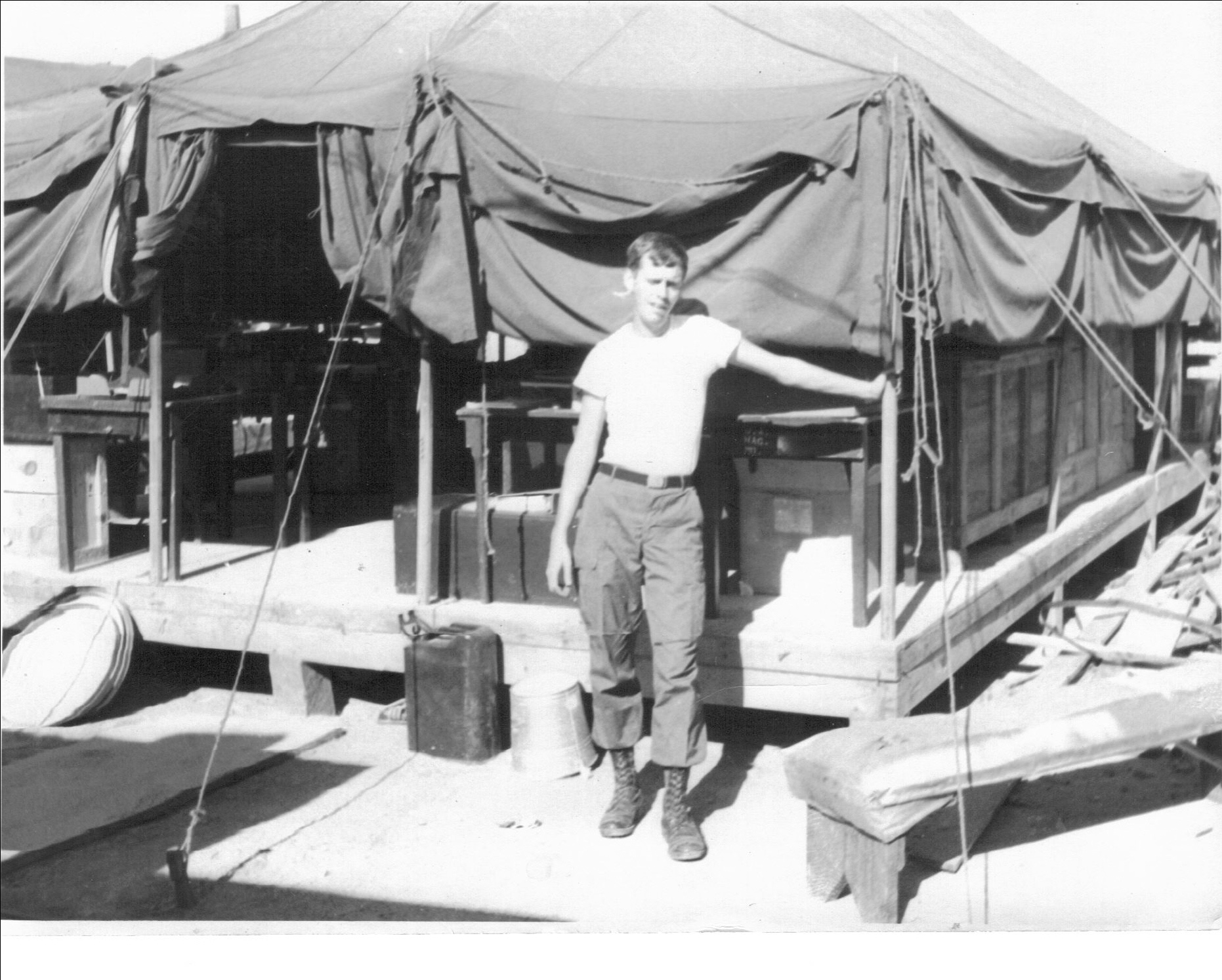
U.S. Army
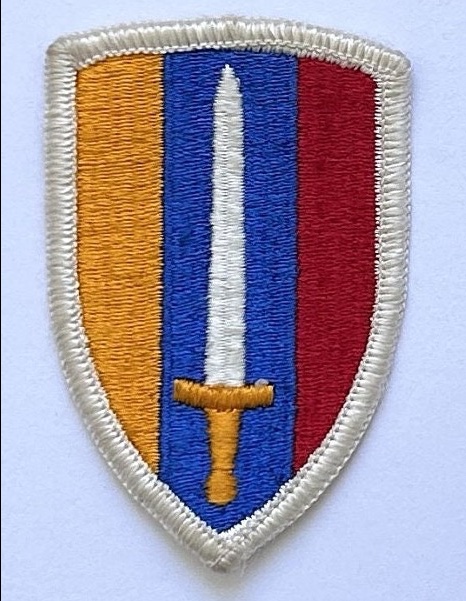
U.S. Army
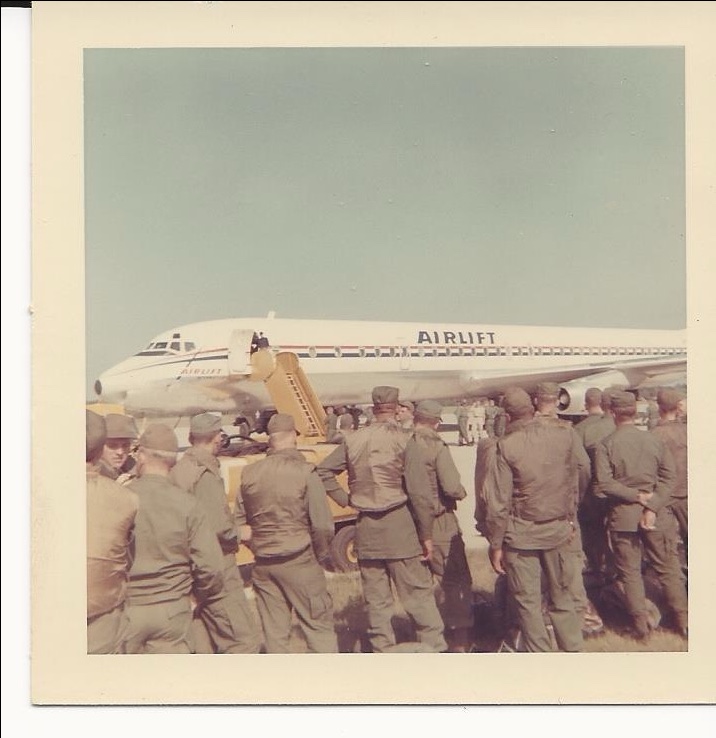
U.S. Army
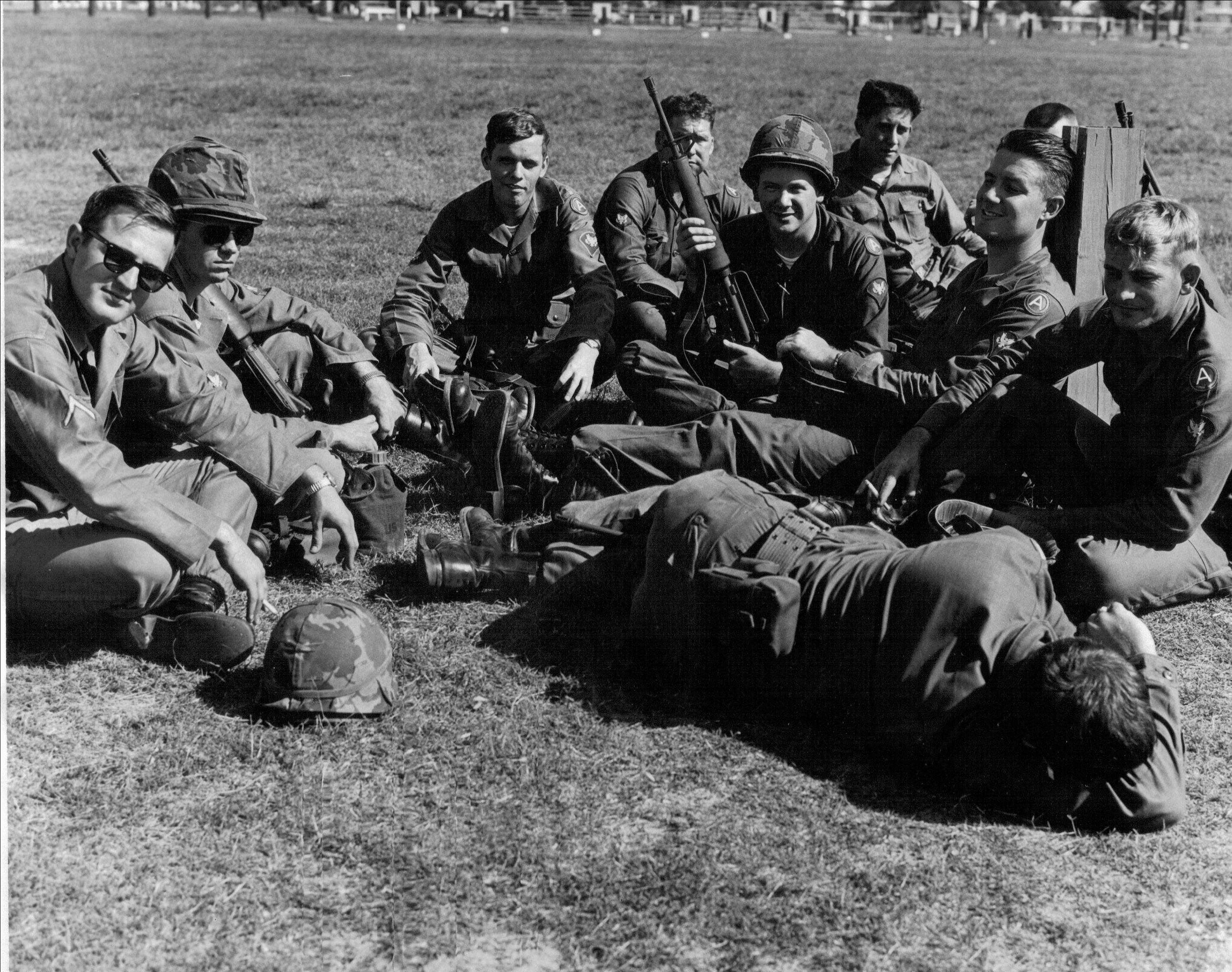
U.S. Army