
Opening branch overview
Building the branch home surface
Loading branch highlights, featured unit context, and gallery moments.
Overview
Members
Units
Building the branch home surface
Loading branch highlights, featured unit context, and gallery moments.
Building the branch units surface
Loading unit filters, rankings, and the branch unit grid.

37 members•1 unit
Relive and share the memories of your service-time with your brothers and sisters in arms today. VetFriends.com can help you reconnect.
Did you proudly serve in the HHT1:11 ACR HQ USAREUR 7A?
Are you looking for someone who is or was in the HHT1:11 ACR HQ USAREUR 7A?
Do you have HHT1:11 ACR HQ USAREUR 7A photos you'd like to share?
Then join a community with your brothers and sisters of the HHT1:11 ACR HQ USAREUR 7A.
Branch
U.S. Army
Members
37
Headquarters and Headquarters Troop, 1st Squadron, 11th Armored Cavalry Regiment (HHT 1/11 ACR), served as a key command element within the U.S. Army Europe (USAREUR) and Seventh Army (7A) during the Cold War. Stationed primarily in Germany, the unit played a vital role in reconnaissance, security operations, and command and control across the Central European front, particularly along the Fulda Gap—a strategic area for potential Warsaw Pact incursions. HHT 1/11 ACR provided operational leadership and support for its subordinate cavalry troops, ensuring readiness and rapid response capabilities. The unit's legacy reflects its significant contribution to NATO defense and deterrence throughout its deployment in Europe.
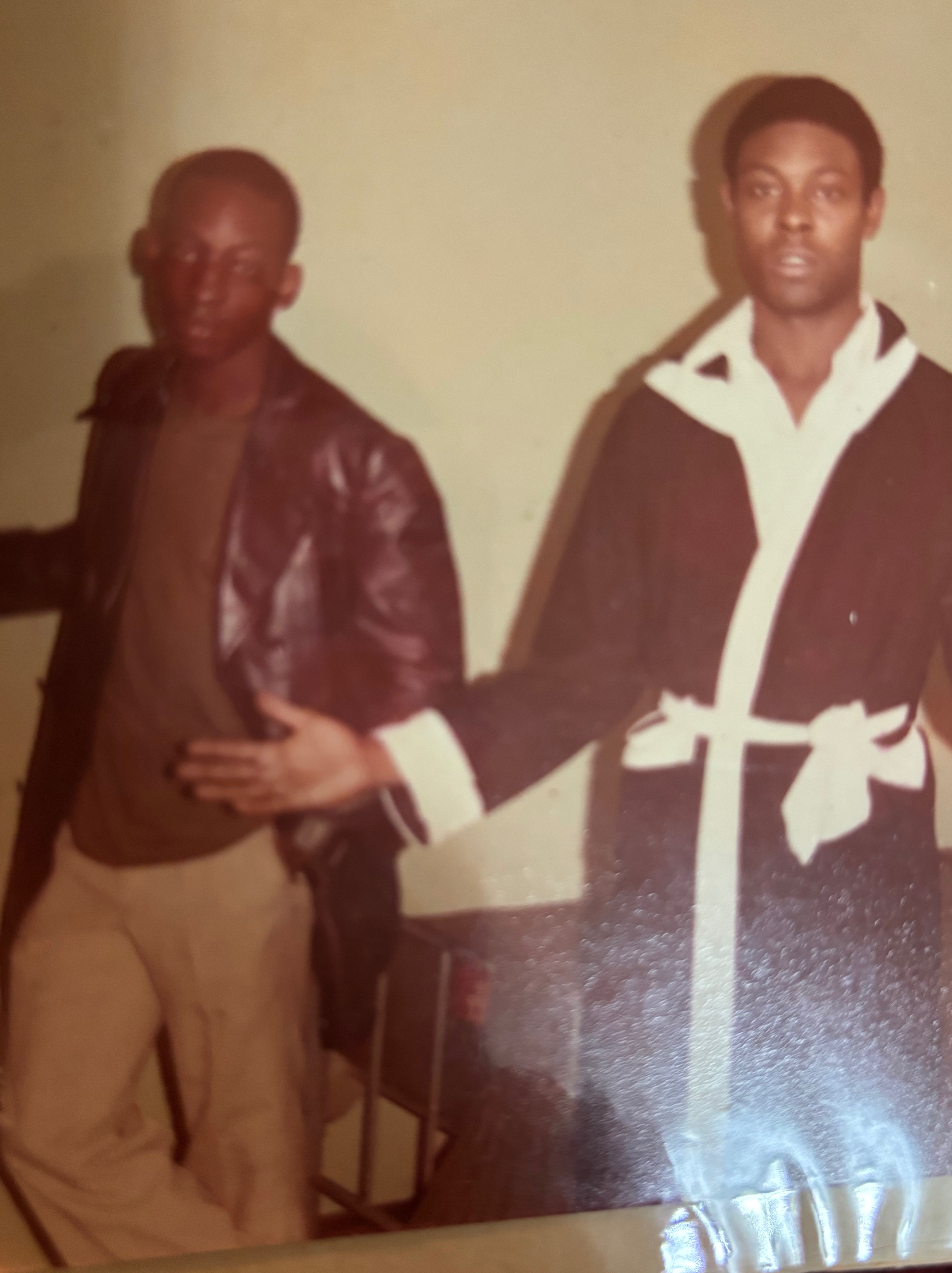
U.S. Army • 1981
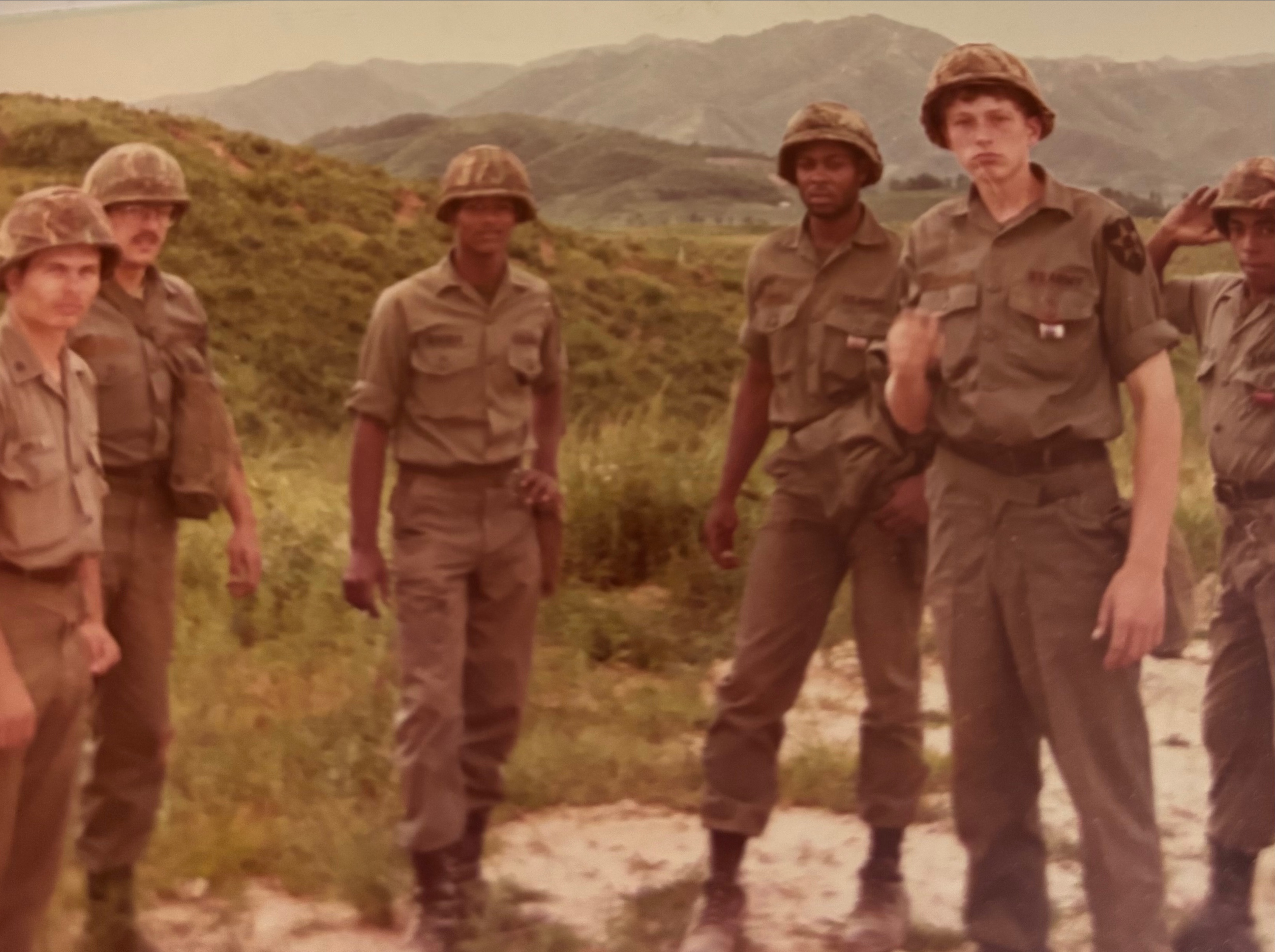
U.S. Army • 1980
C/84th • U.S. Army
U.S. Army