
Opening branch overview
Building the branch home surface
Loading branch highlights, featured unit context, and gallery moments.
Overview
Members
Units
Building the branch home surface
Loading branch highlights, featured unit context, and gallery moments.
Building the branch units surface
Loading unit filters, rankings, and the branch unit grid.

U.S. Army•2 members
Relive and share the memories of your service-time with your brothers and sisters in arms today. VetFriends.com can help you reconnect.
Did you proudly serve in the HHC 4:502nd & HHC 6:502nd Berlin Brigade?
Are you looking for someone who is or was in the HHC 4:502nd & HHC 6:502nd Berlin Brigade?
Do you have HHC 4:502nd & HHC 6:502nd Berlin Brigade photos you'd like to share?
Then join a community with your brothers and sisters of the HHC 4:502nd & HHC 6:502nd Berlin Brigade.
HHC 4th Battalion, 502nd Infantry Regiment (4/502nd) and HHC 6th Battalion, 502nd Infantry Regiment (6/502nd) were key components of the Berlin Brigade during the Cold War. Stationed in West Berlin, these headquarters and headquarters companies played vital roles in command, control, and support for their respective maneuver battalions. Tasked with defending the Western enclave deep inside Soviet-controlled East Germany, their presence served as a powerful symbol of American commitment to Berlin's freedom and NATO solidarity. Both units participated in regular training exercises, patrols, and ceremonies, maintaining high readiness until the Brigade’s inactivation following German reunification in the early 1990s.
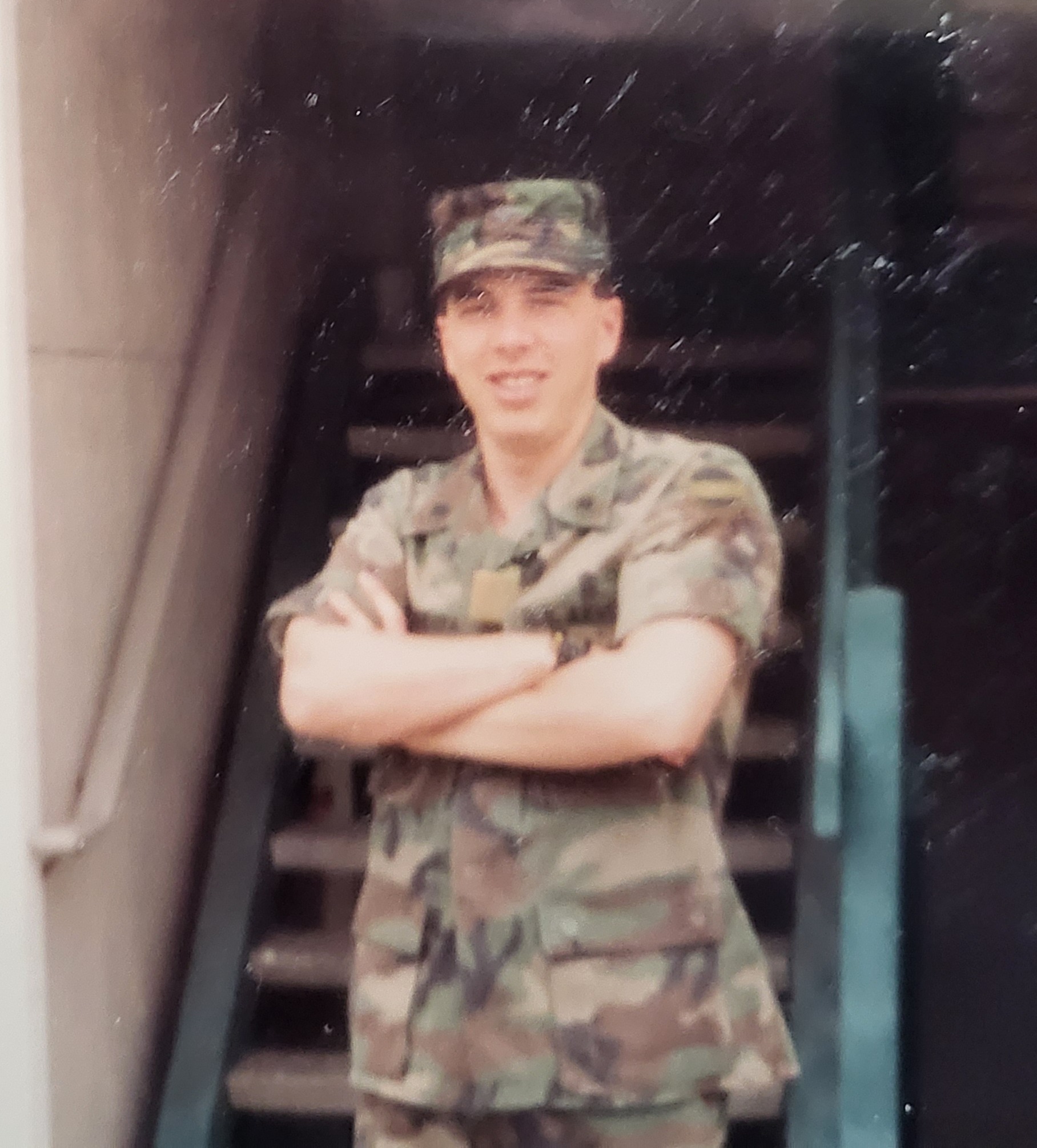
U.S. Army
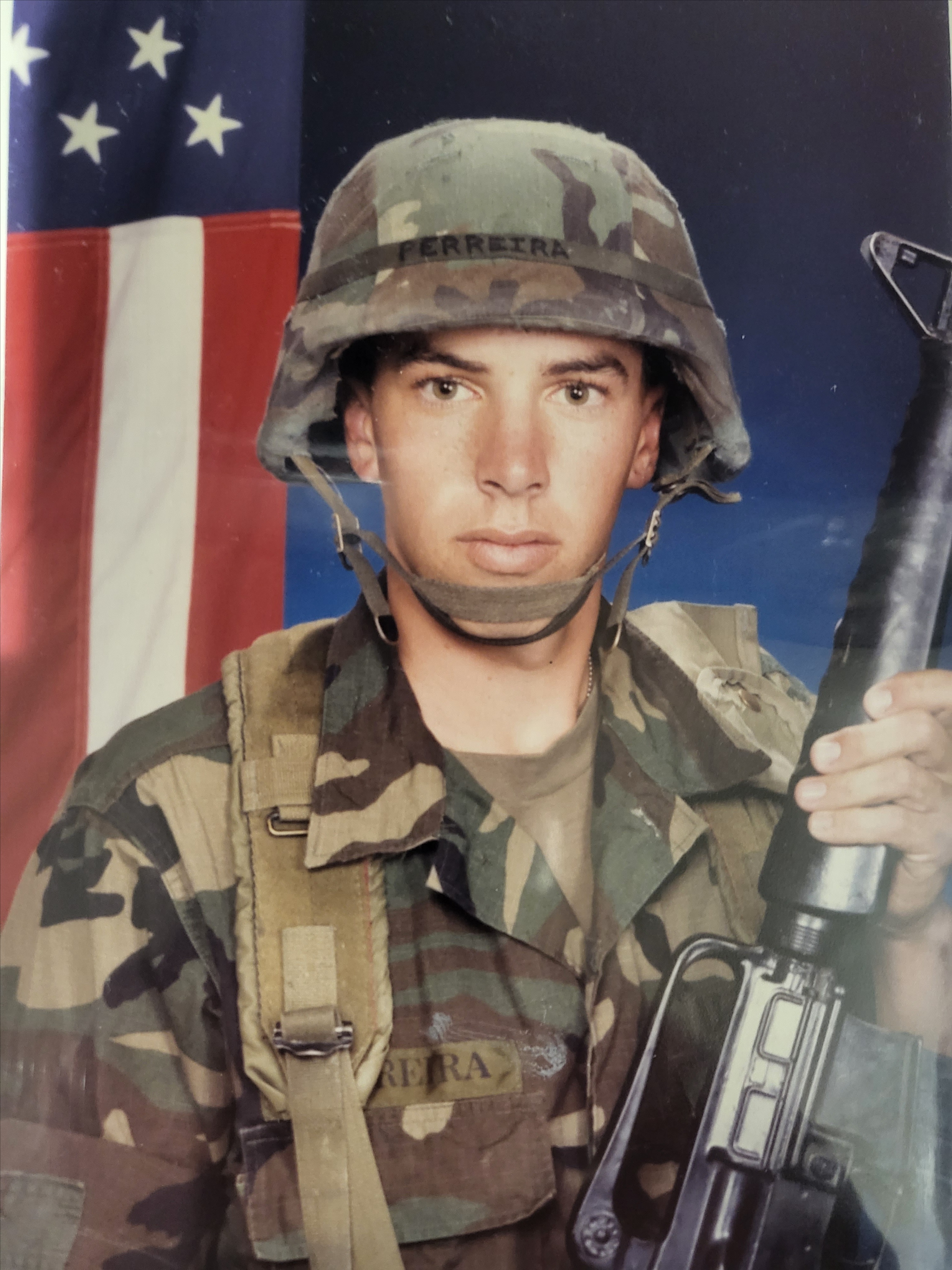
U.S. Army
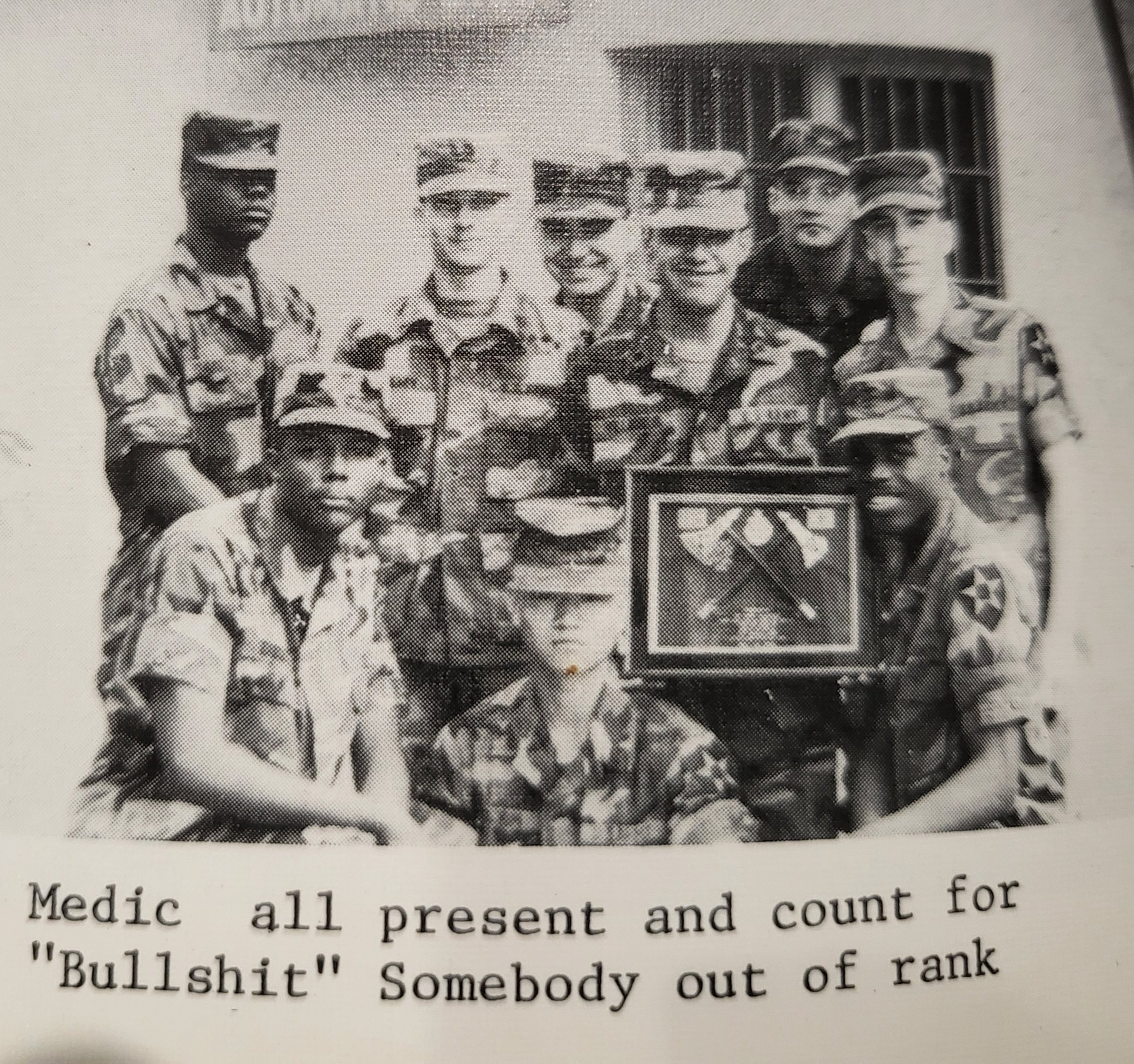
U.S. Army
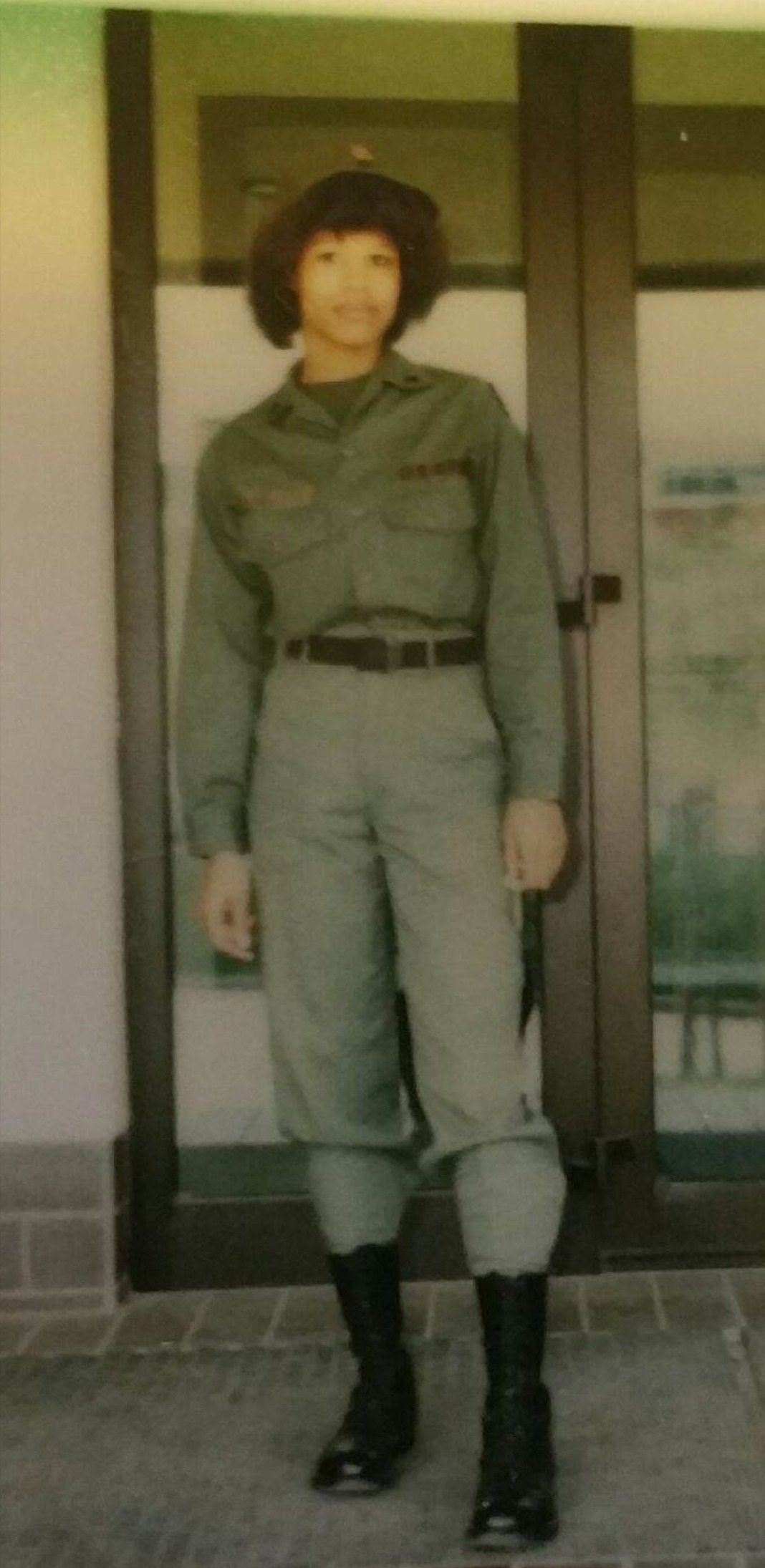
U.S. Army