Over 3,064,780 active members

U.S. Army•1 members
Relive and share the memories of your service-time with your brothers and sisters in arms today. VetFriends.com can help you reconnect.
Did you proudly serve in the HHC, 2nd Bde, 11th Airassult, Ft. Benning, Ga?
Are you looking for someone who is or was in the HHC, 2nd Bde, 11th Airassult, Ft. Benning, Ga?
Do you have HHC, 2nd Bde, 11th Airassult, Ft. Benning, Ga photos you'd like to share?
Then join a community with your brothers and sisters of the HHC, 2nd Bde, 11th Airassult, Ft. Benning, Ga.
Branch
U.S. Army
Members
1
Headquarters and Headquarters Company (HHC), 2nd Brigade, 11th Air Assault Division, was activated at Fort Benning, Georgia in the early 1960s as part of the U.S. Army's pioneering effort to develop and test airmobile tactics. The unit played a crucial role in the Army's experimentation with helicopter-borne infantry operations, which would later revolutionize modern warfare. Through rigorous training and innovative exercises, HHC, 2nd Brigade helped validate concepts that became the foundation of air assault doctrine. In 1965, the 11th Air Assault Division was reflagged as the 1st Cavalry Division (Airmobile), and its personnel, including those from HHC, 2nd Brigade, deployed to Vietnam, where their air assault tactics proved decisive.
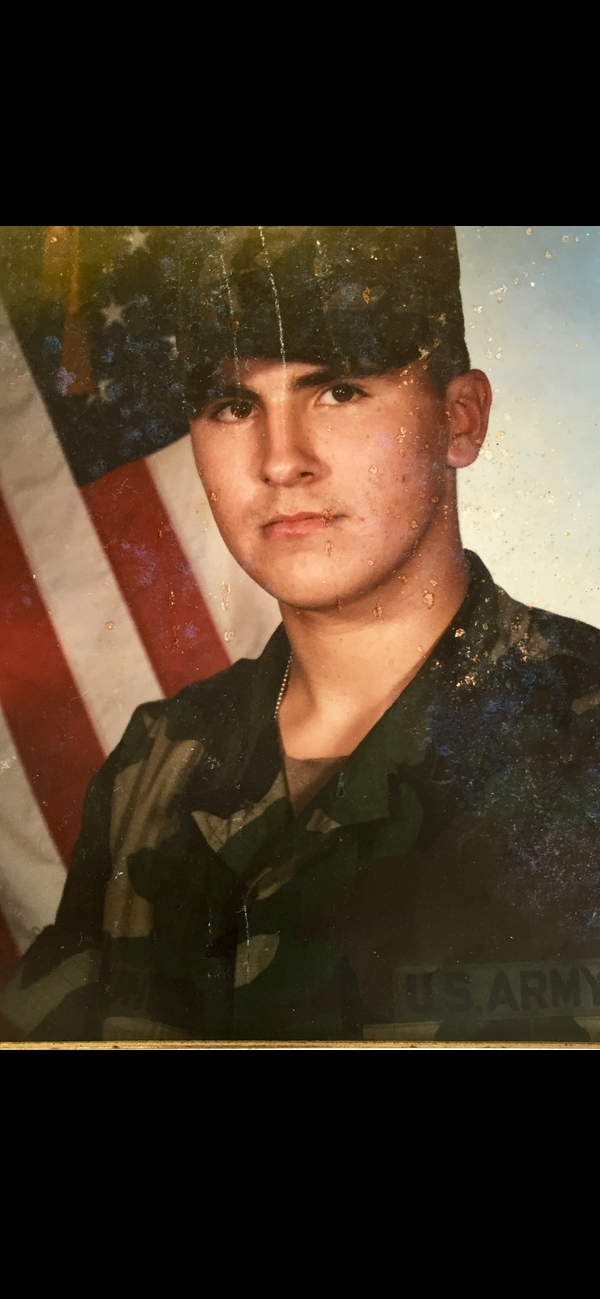
Company C 1st Bn. 38th Inf. Regt. • U.S. Army • 1989
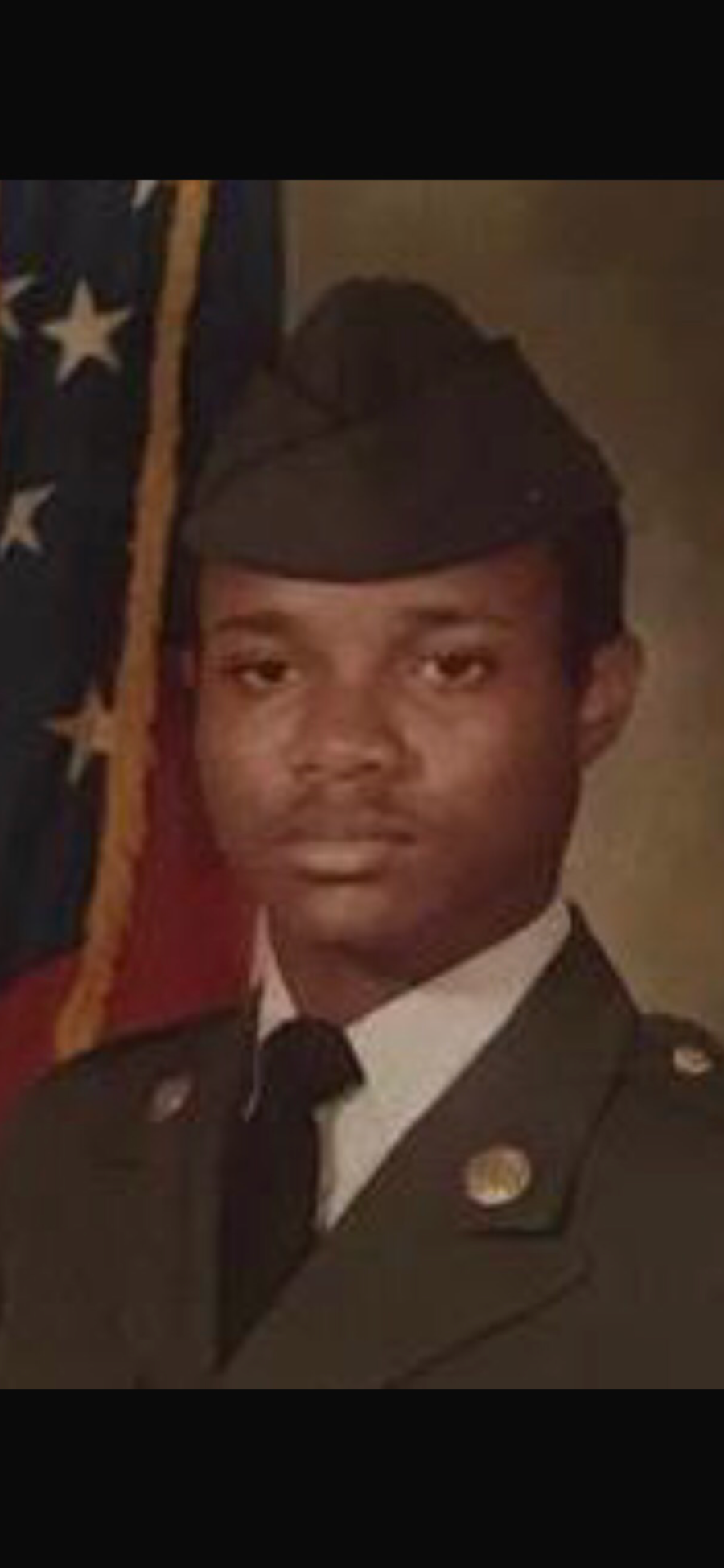
101st airborne division • U.S. Army
U.S. Army
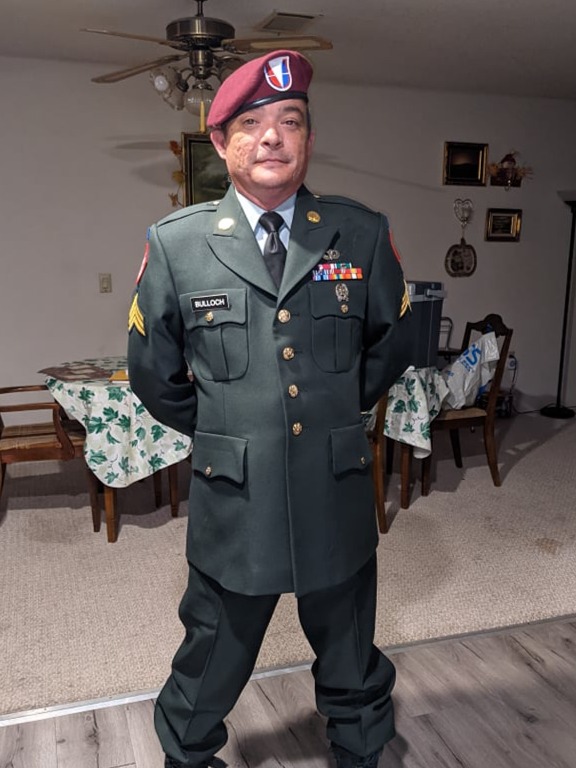
82nd Airborne • U.S. Army • 2018
