
Opening branch overview
Building the branch home surface
Loading branch highlights, featured unit context, and gallery moments.
Overview
Members
Units
Building the branch home surface
Loading branch highlights, featured unit context, and gallery moments.
Building the branch units surface
Loading unit filters, rankings, and the branch unit grid.

U.S. Army•5 members
Relive and share the memories of your service-time with your brothers and sisters in arms today. VetFriends.com can help you reconnect.
Did you proudly serve in the Headquarters ASA?
Are you looking for someone who is or was in the Headquarters ASA?
Do you have Headquarters ASA photos you'd like to share?
Then join a community with your brothers and sisters of the Headquarters ASA.
**Headquarters Army Security Agency (ASA)** served as the central command element for the Army Security Agency, which was established in 1945 as part of the U.S. Army’s effort to consolidate and manage signals intelligence (SIGINT) and communications security operations. Throughout the Cold War, Headquarters ASA directed global intelligence-gathering activities, overseeing numerous field units stationed in Europe, Asia, and other strategic locations. The unit played a pivotal role in intercepting and analyzing enemy communications, contributing significantly to U.S. strategic and tactical decision-making. In 1977, the ASA was merged into the newly formed United States Army Intelligence and Security Command (INSCOM), marking the end of its independent existence.
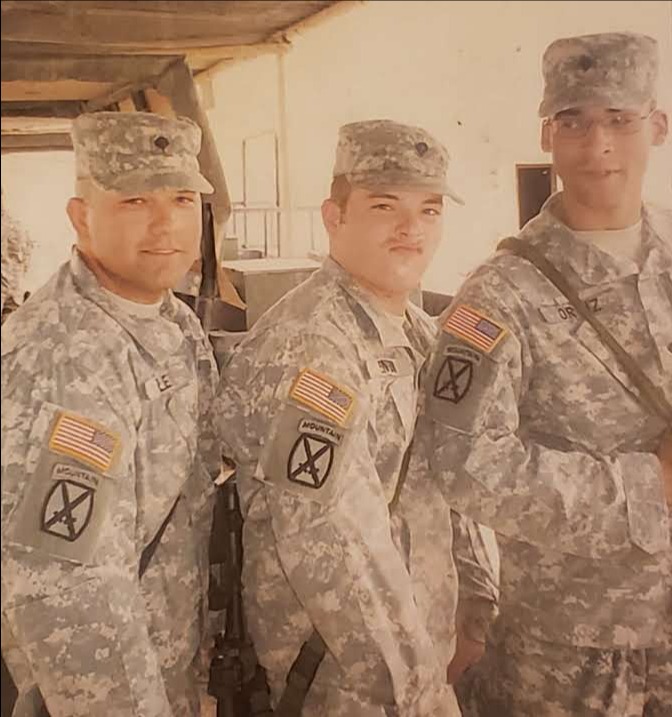
3rd Infantry Division • U.S. Army • 2007
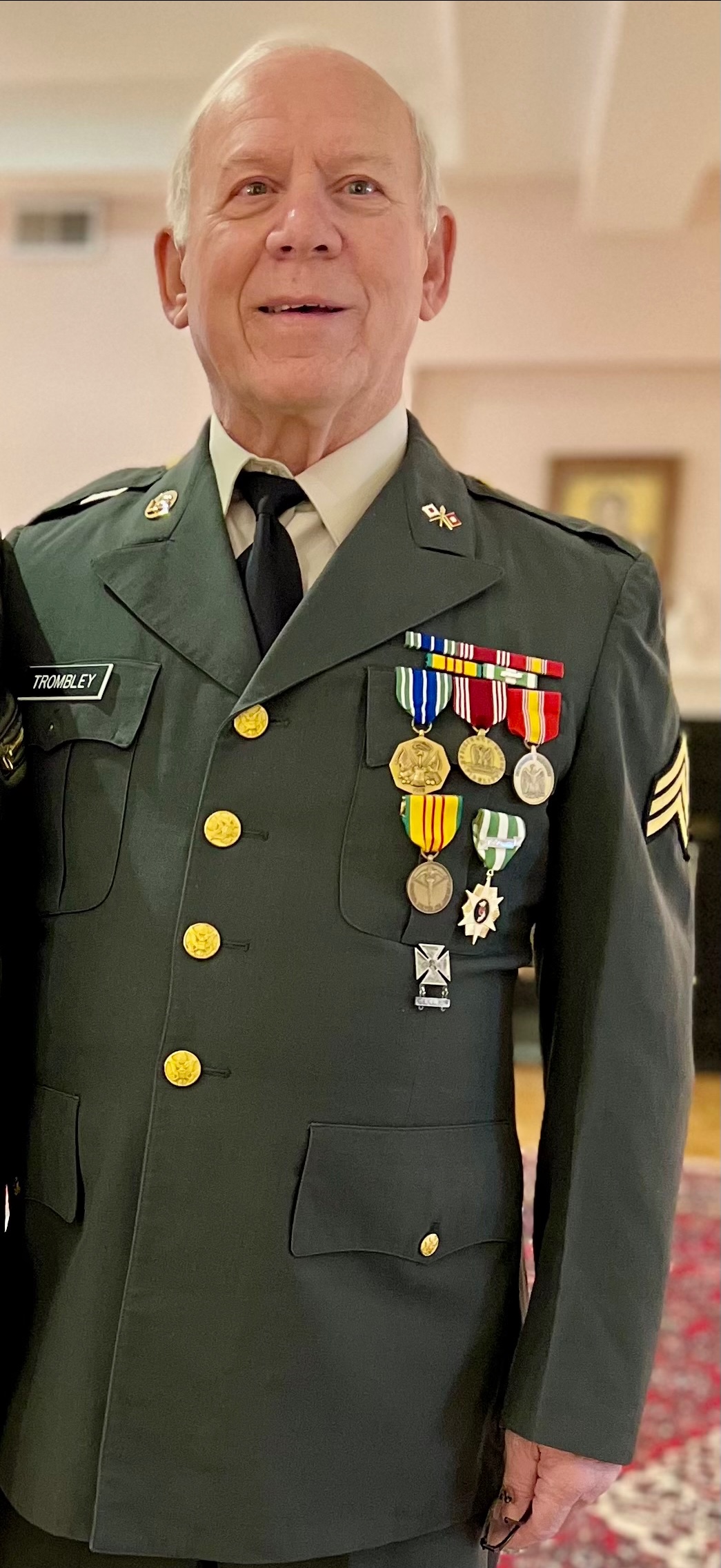
1st Signal • U.S. Army • 2015
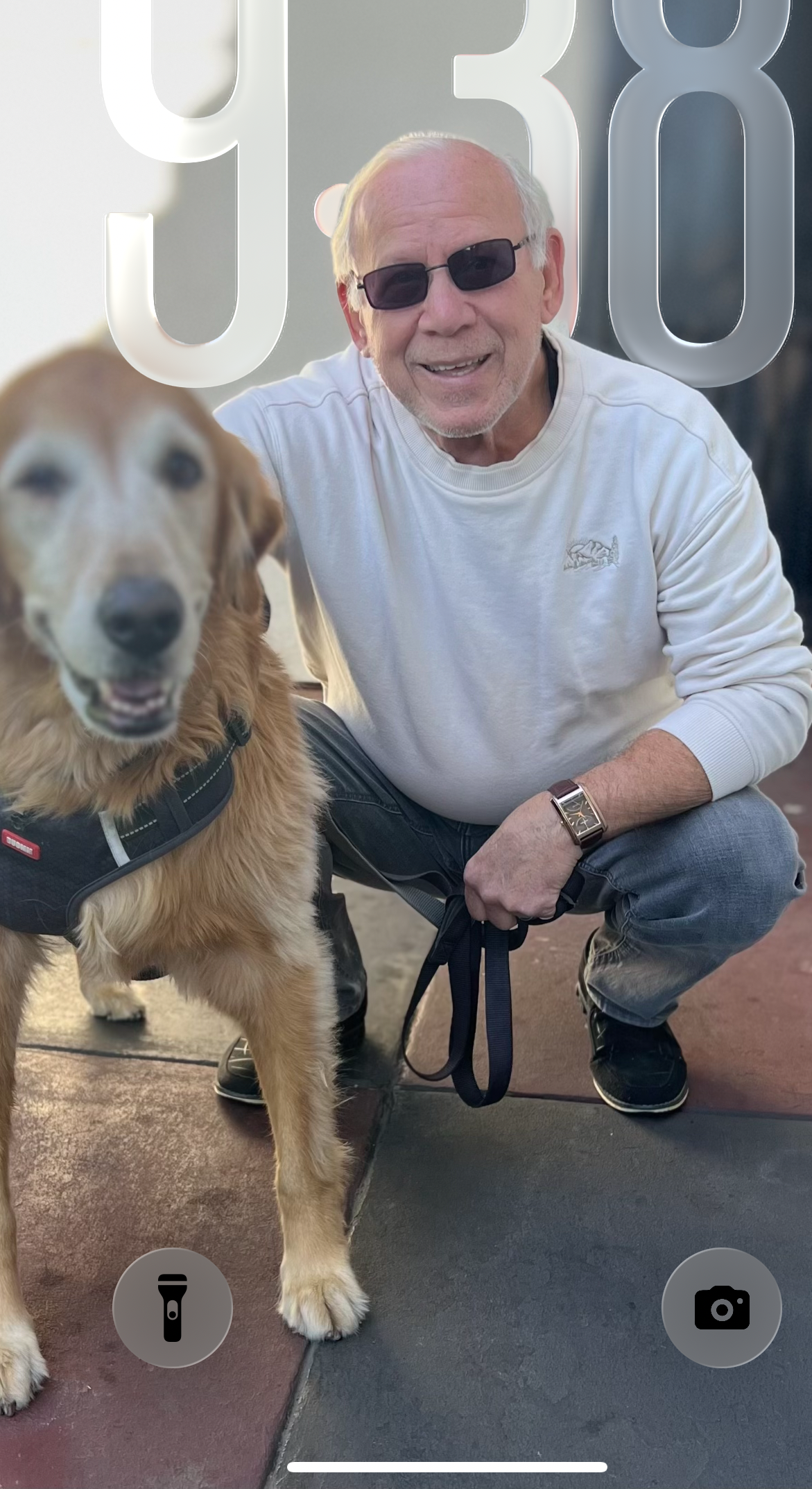
302ND SIGNAL BATTALION • U.S. Army • 2025
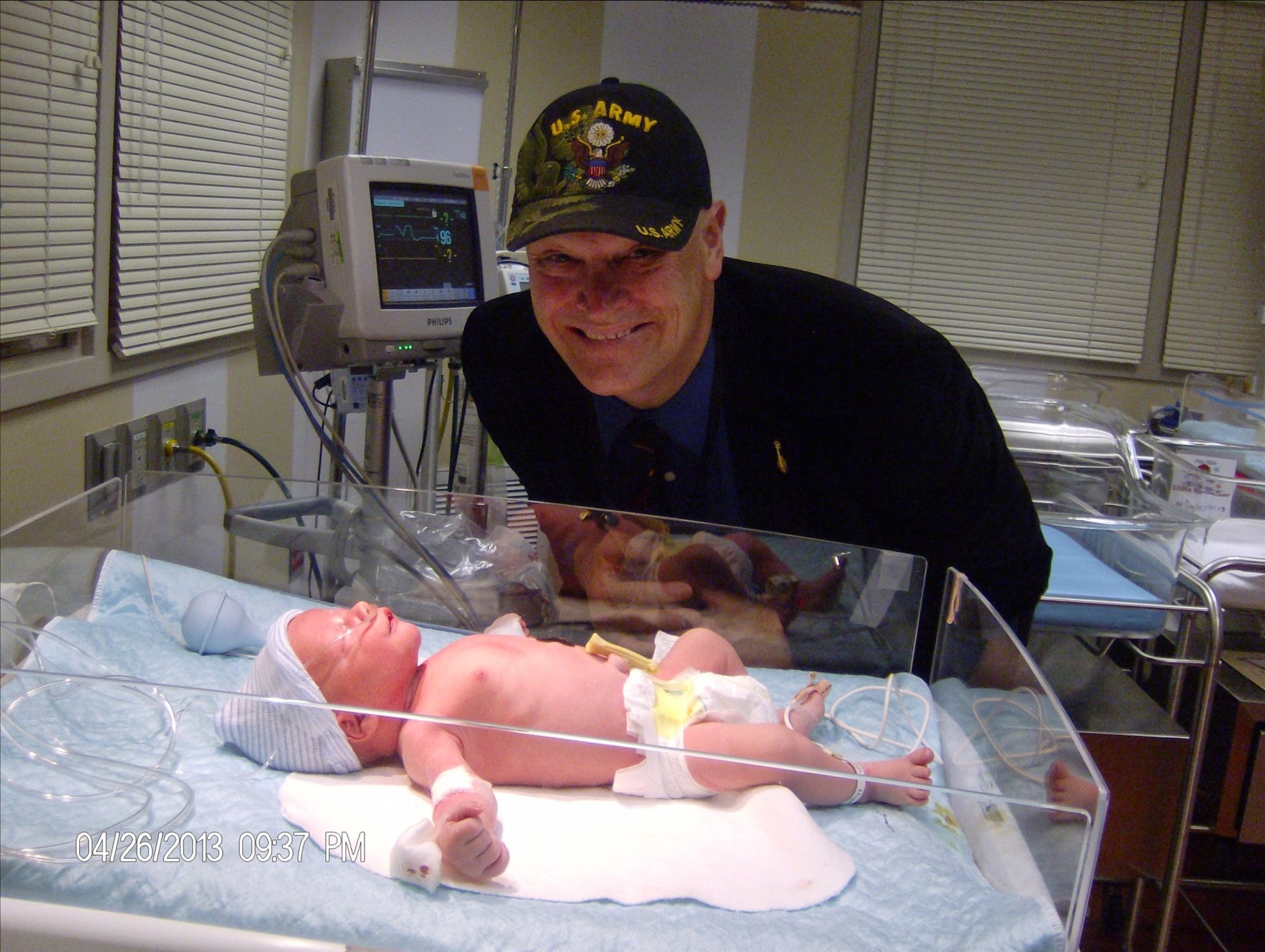
U.S. Army