
Opening branch overview
Building the branch home surface
Loading branch highlights, featured unit context, and gallery moments.
Overview
Members
Units
Building the branch home surface
Loading branch highlights, featured unit context, and gallery moments.
Building the branch units surface
Loading unit filters, rankings, and the branch unit grid.

4 members•1 unit
Relive and share the memories of your service-time with your brothers and sisters in arms today. VetFriends.com can help you reconnect.
Did you proudly serve in the Headquarter Supply?
Are you looking for someone who is or was in the Headquarter Supply?
Do you have Headquarter Supply photos you'd like to share?
Then join a community with your brothers and sisters of the Headquarter Supply.
Branch
U.S. Army
Members
4
Headquarter Supply is a vital military unit responsible for ensuring the continuous flow of essential materials, equipment, and provisions to operational forces. Established during the early 20th century, its origins trace back to the logistical innovations of World War I, when efficient supply lines became critical to sustained combat effectiveness. Throughout subsequent conflicts, including World War II and modern operations, Headquarter Supply units have evolved to incorporate advanced technology and logistics management practices. Today, they remain indispensable, enabling rapid deployment and sustained operations by maintaining readiness and supporting frontline troops.
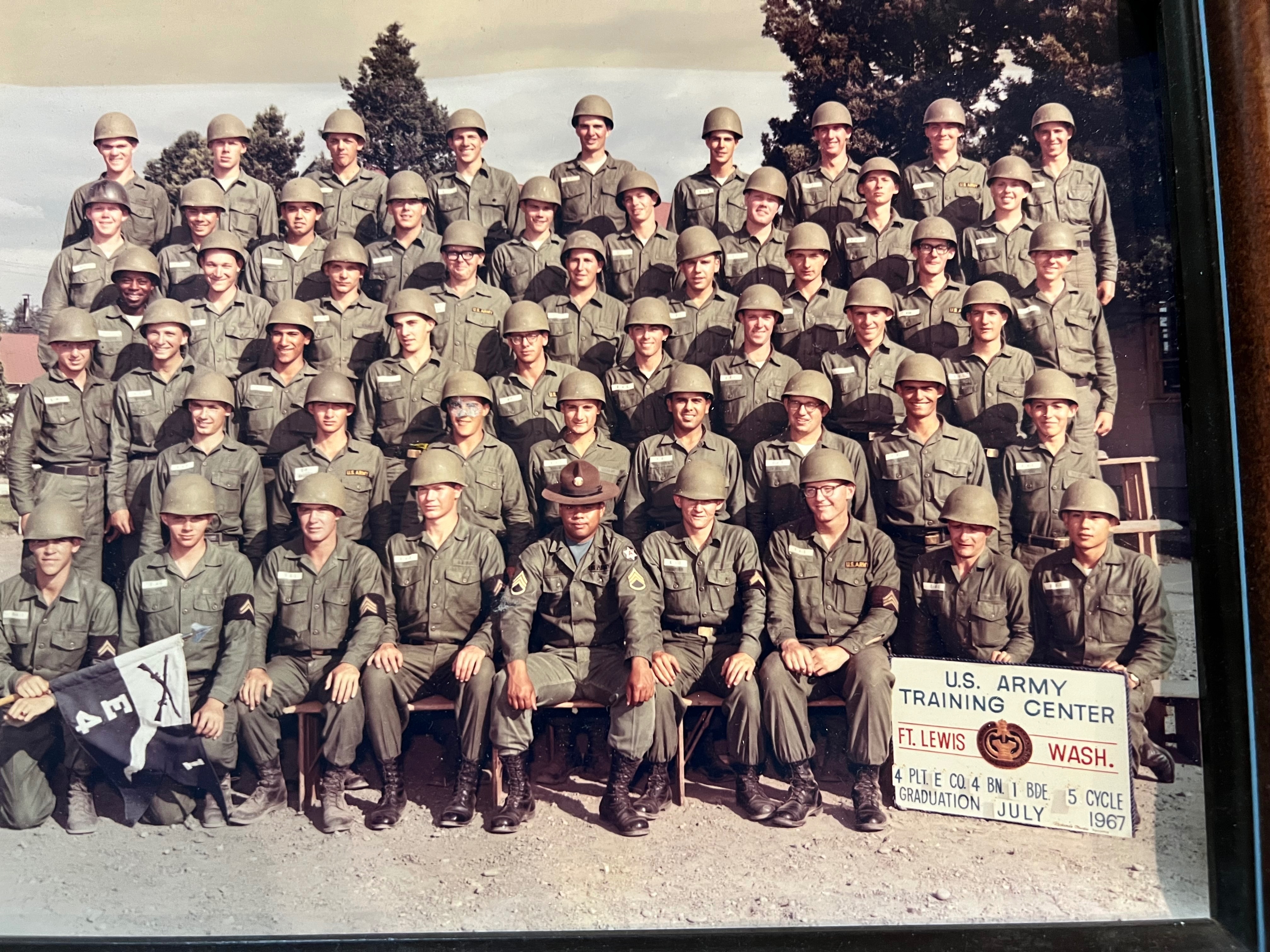
U.S. Army

U.S. Army
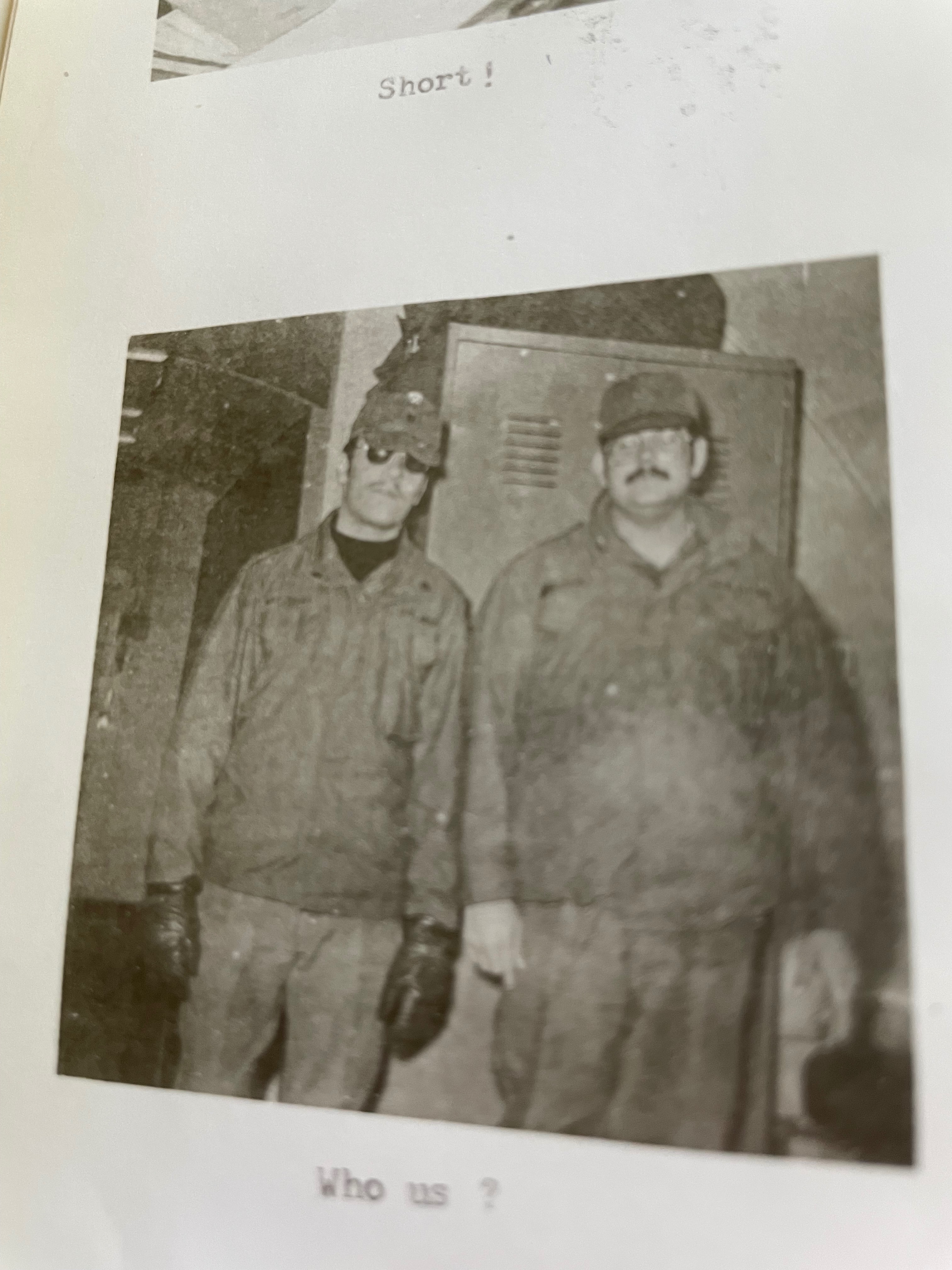
U.S. Army
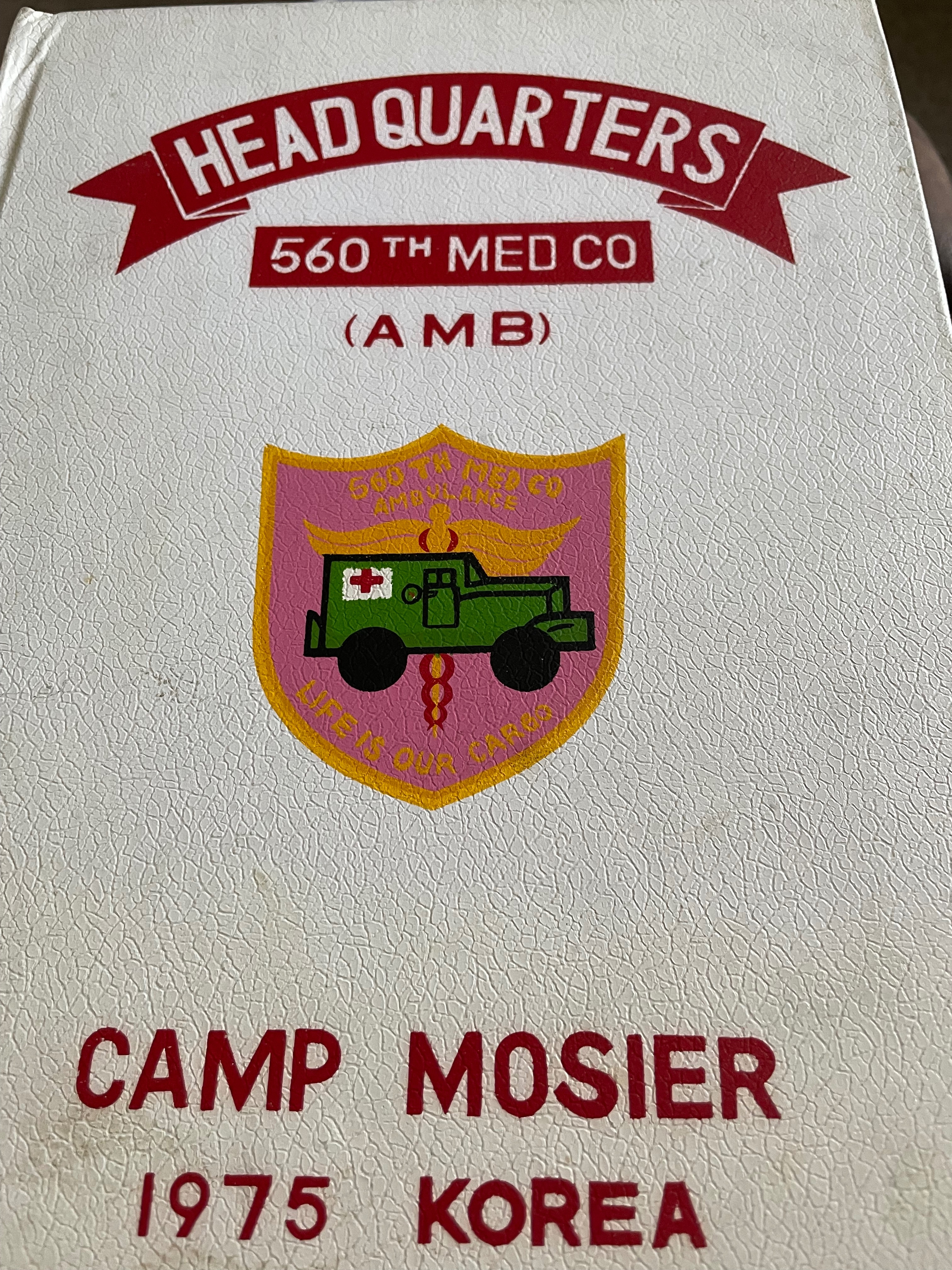
U.S. Army