
Opening branch overview
Building the branch home surface
Loading branch highlights, featured unit context, and gallery moments.
Overview
Members
Units
Building the branch home surface
Loading branch highlights, featured unit context, and gallery moments.
Building the branch units surface
Loading unit filters, rankings, and the branch unit grid.

7 members•1 unit
Relive and share the memories of your service-time with your brothers and sisters in arms today. VetFriends.com can help you reconnect.
Did you proudly serve in the Hawk Missile Repair - Korea?
Are you looking for someone who is or was in the Hawk Missile Repair - Korea?
Do you have Hawk Missile Repair - Korea photos you'd like to share?
Then join a community with your brothers and sisters of the Hawk Missile Repair - Korea.
Branch
U.S. Army
Members
7
Hawk Missile Repair - Korea was a specialized support unit responsible for the maintenance and repair of the MIM-23 HAWK surface-to-air missile systems deployed by U.S. and allied forces on the Korean Peninsula. Activated during the Cold War era, the unit ensured the operational readiness of HAWK batteries, which formed a crucial part of the air defense network against potential aerial threats from North Korea. Technicians and specialists in the unit performed complex diagnostics, repairs, and upgrades, often working in challenging field conditions to maintain a high state of alert. The work of Hawk Missile Repair - Korea contributed significantly to the deterrence posture and air defense capabilities of United States Forces Korea throughout its service.

U.S. Army
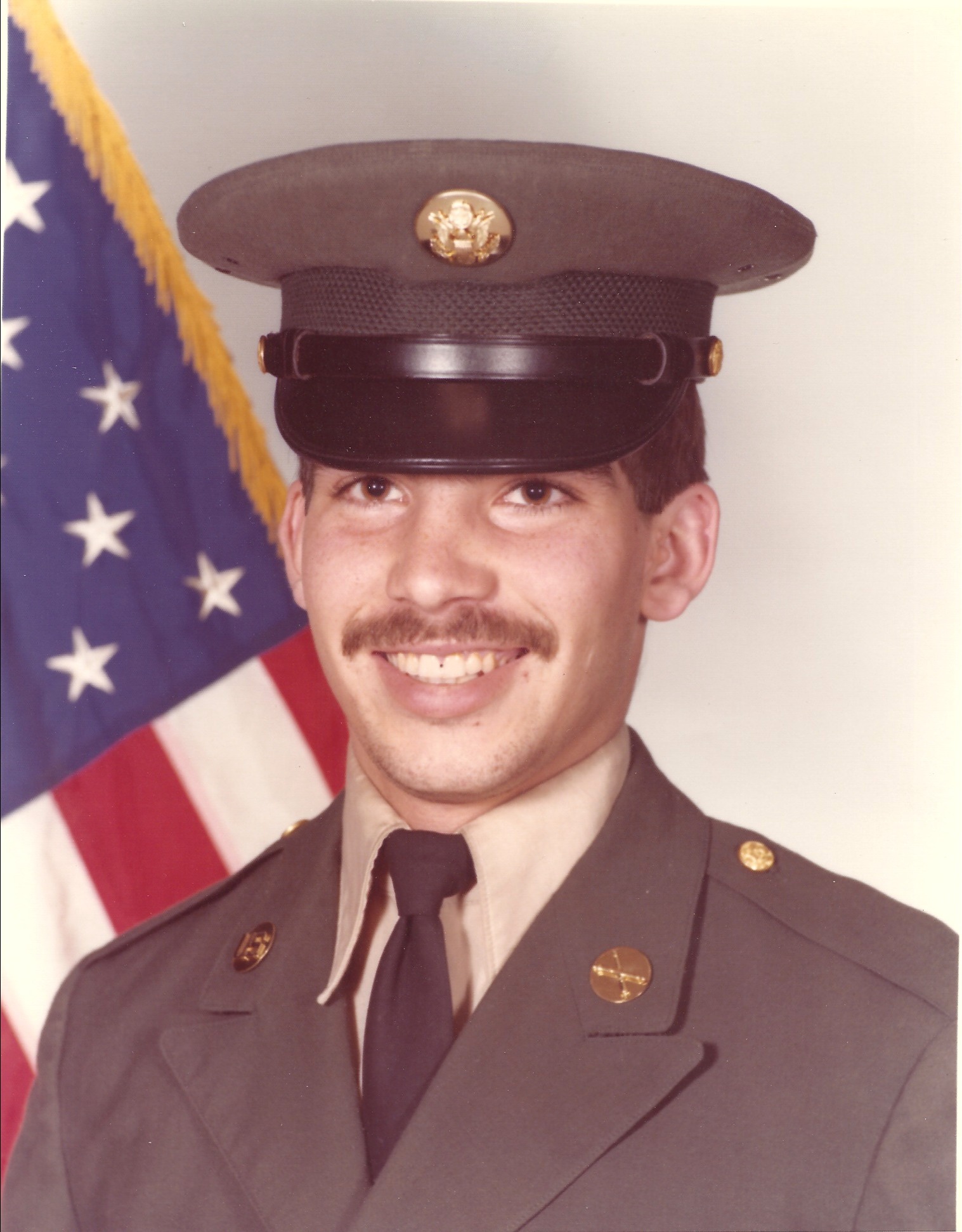
ARTILLERY • U.S. Army
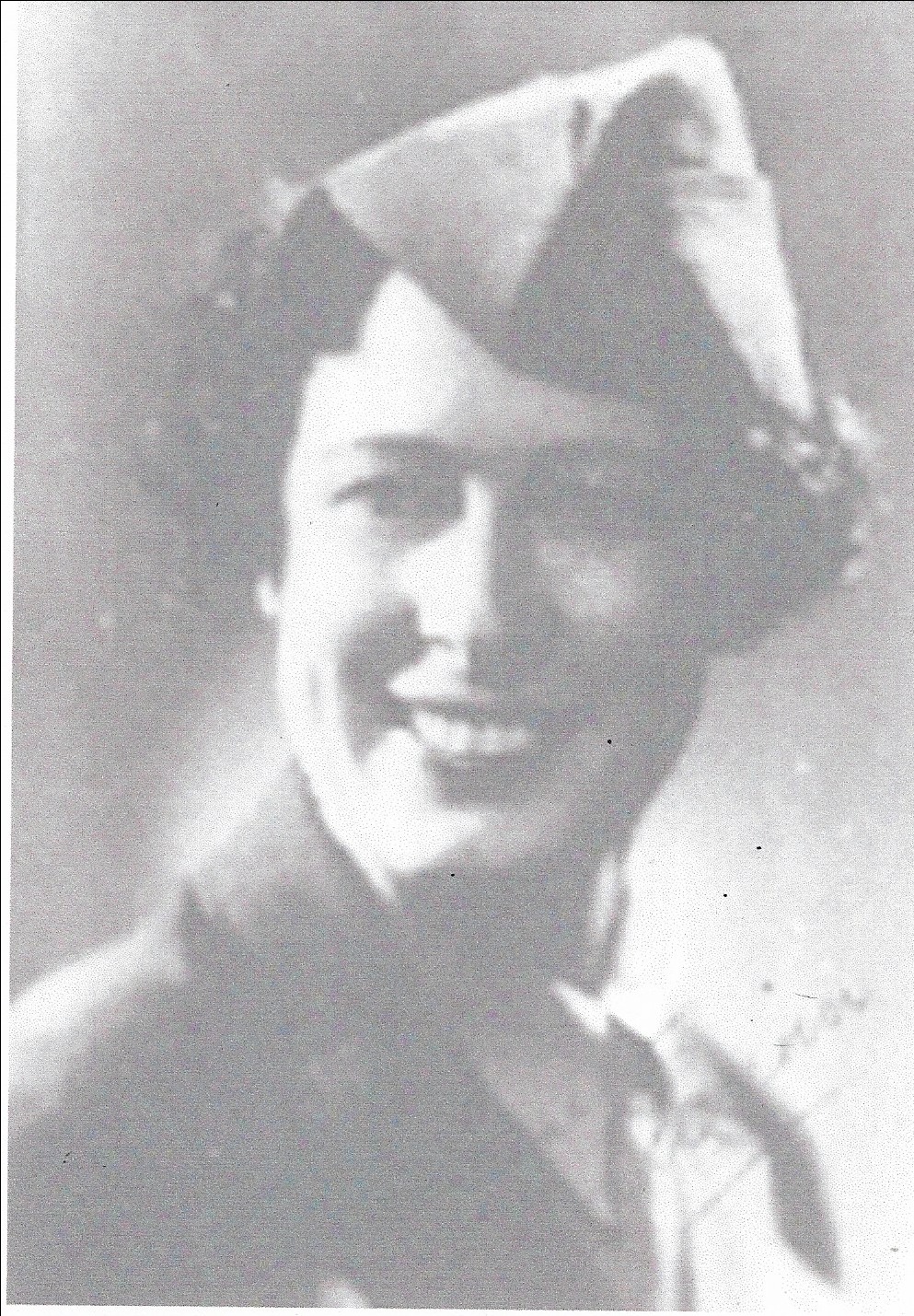
U.S. Army
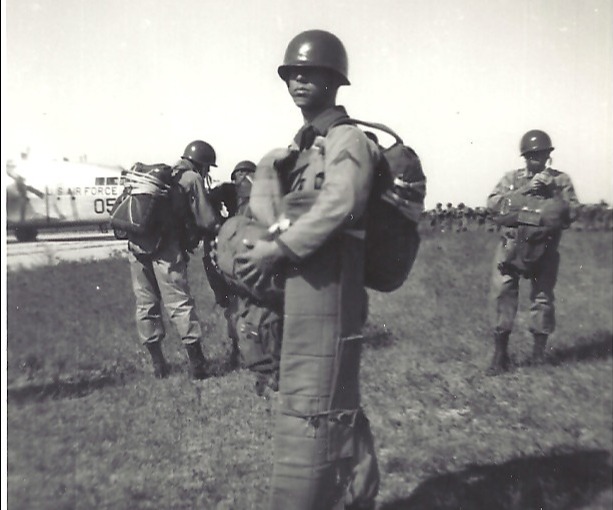
82nd Airborne • U.S. Army • 1954