
Opening branch overview
Building the branch home surface
Loading branch highlights, featured unit context, and gallery moments.
Overview
Members
Units
Building the branch home surface
Loading branch highlights, featured unit context, and gallery moments.
Building the branch units surface
Loading unit filters, rankings, and the branch unit grid.

1 members•1 unit
Relive and share the memories of your service-time with your brothers and sisters in arms today. VetFriends.com can help you reconnect.
Did you proudly serve in the Ft. Irwin, CA. NTC?
Are you looking for someone who is or was in the Ft. Irwin, CA. NTC?
Do you have Ft. Irwin, CA. NTC photos you'd like to share?
Then join a community with your brothers and sisters of the Ft. Irwin, CA. NTC.
Branch
U.S. Army
Members
1
Fort Irwin, California, is home to the National Training Center (NTC), one of the U.S. Army’s premier training installations. Established during World War II as the Mojave Anti-Aircraft Range, the post was reactivated in 1980 to prepare units for combat through realistic, large-scale training exercises. At NTC, Army brigades undergo rigorous force-on-force and live-fire scenarios, often against skilled Opposing Force (OPFOR) units simulating near-peer adversaries. Over the decades, Fort Irwin has played a vital role in preparing troops for deployments to conflicts such as Operation Desert Storm, Operation Iraqi Freedom, and Operation Enduring Freedom, continually adapting to emerging threats and technologies.
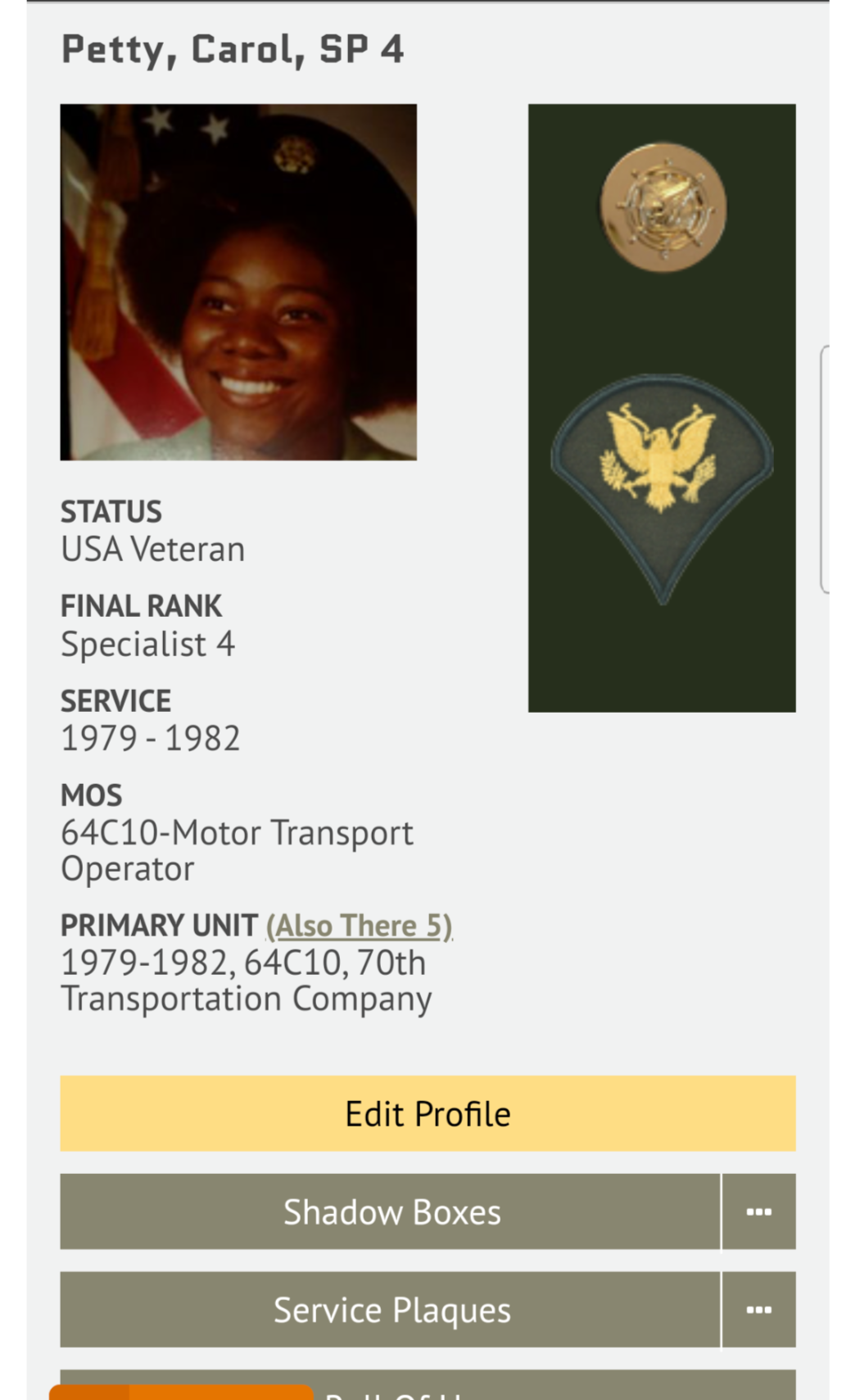
70th Transportation Geissen, West Germany • U.S. Army • 1979
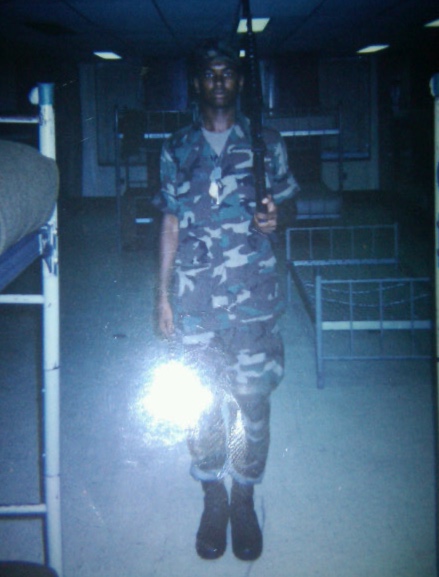
U.S. Army • 1996
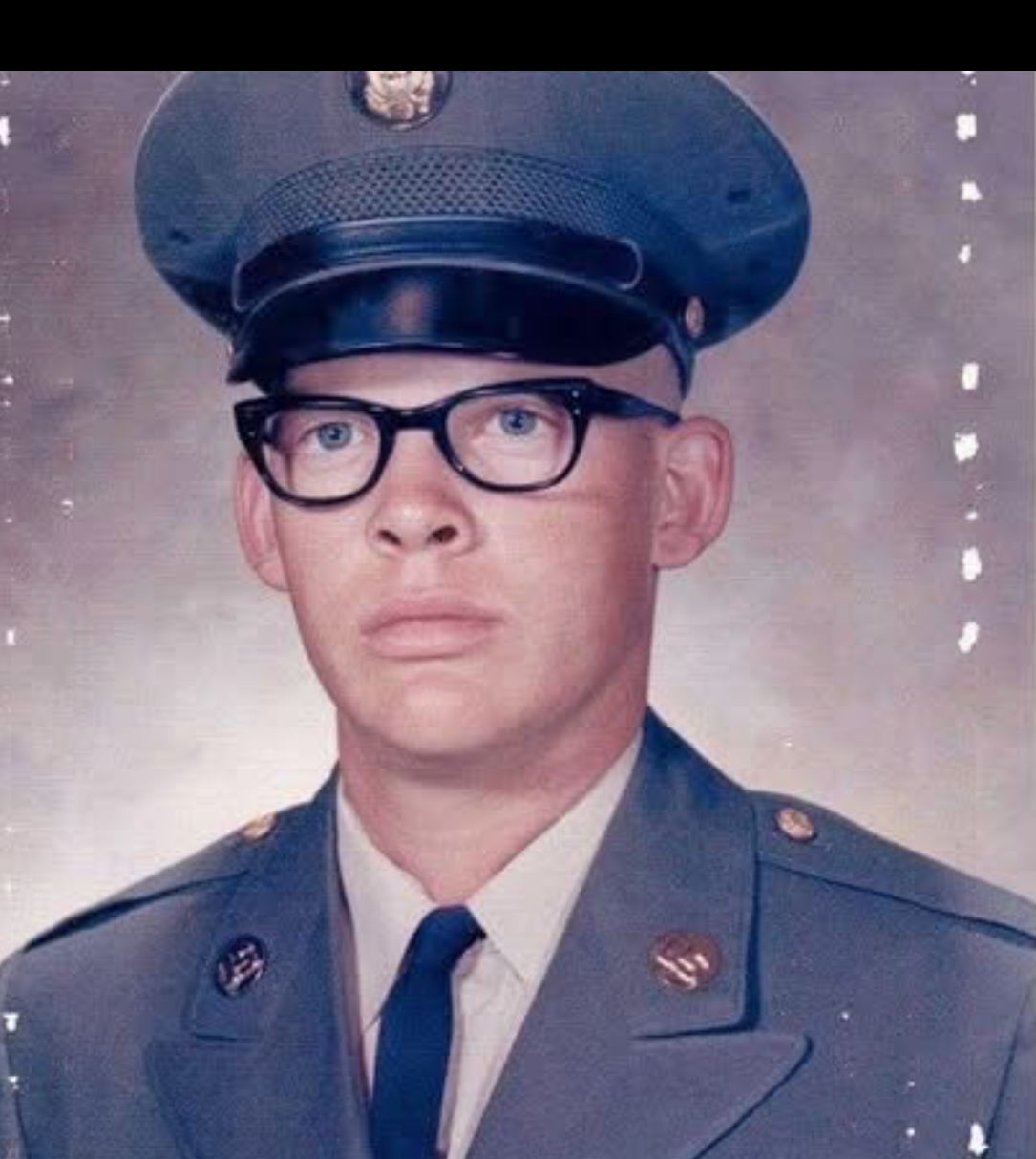
Echo company Fort Lewis, Washington • U.S. Army • 1970
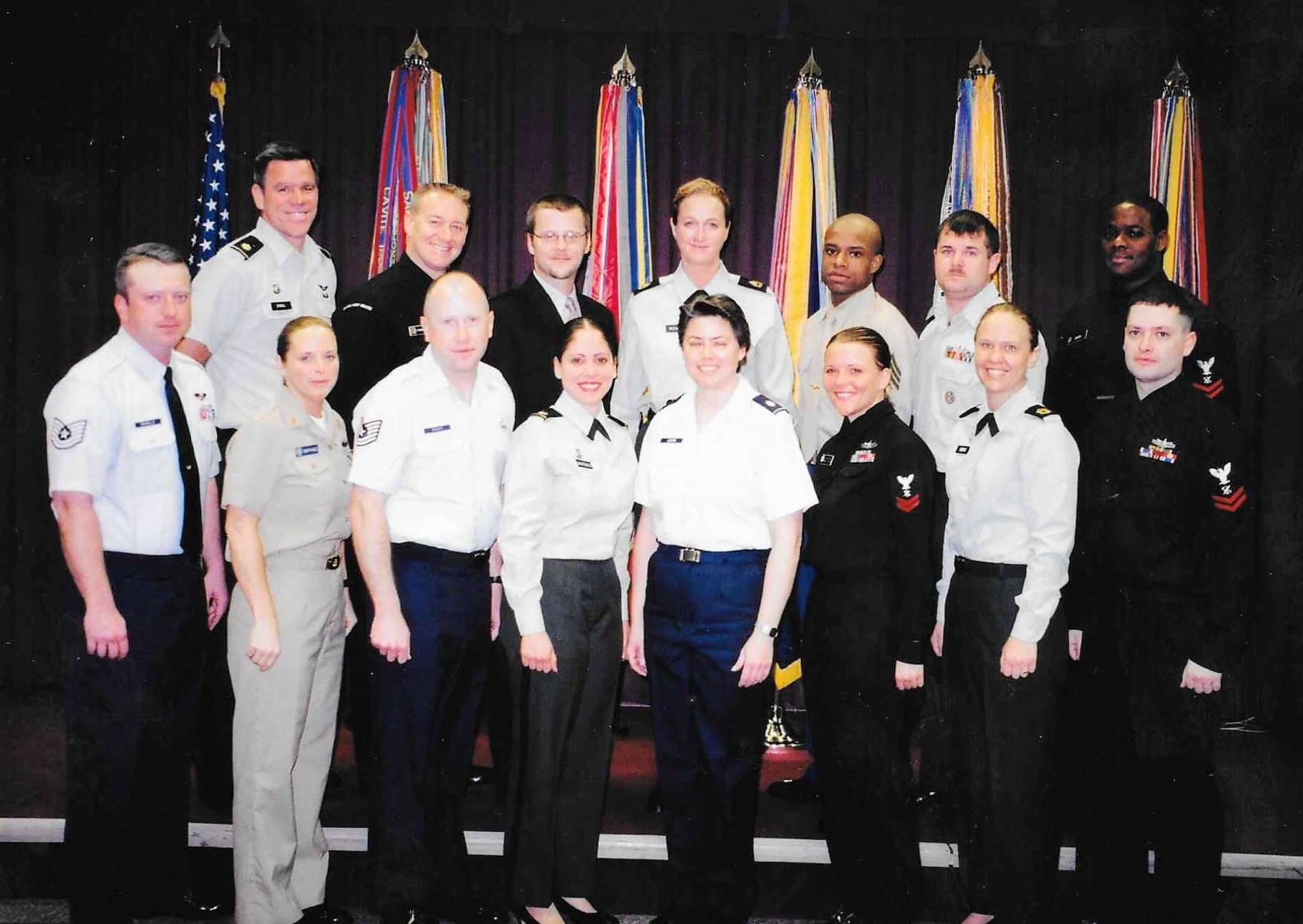
Defense Information School • U.S. Army • 2006