
Opening branch overview
Building the branch home surface
Loading branch highlights, featured unit context, and gallery moments.
Overview
Members
Units
Building the branch home surface
Loading branch highlights, featured unit context, and gallery moments.
Building the branch units surface
Loading unit filters, rankings, and the branch unit grid.

41 members•1 unit
Relive and share the memories of your service-time with your brothers and sisters in arms today. VetFriends.com can help you reconnect.
Did you proudly serve in the FT BRAGG SIGNAL BATTALION?
Are you looking for someone who is or was in the FT BRAGG SIGNAL BATTALION?
Do you have FT BRAGG SIGNAL BATTALION photos you'd like to share?
Then join a community with your brothers and sisters of the FT BRAGG SIGNAL BATTALION.
Branch
U.S. Army
Members
41
The Fort Bragg Signal Battalion has a distinguished history of providing crucial communications support to military operations. Established to ensure effective command and control, the battalion has enabled seamless information flow during both peacetime and combat missions. Over the decades, its soldiers have deployed in support of major operations, adapting to advances in signal technology and battlefield requirements. The battalion continues to play a vital role in supporting the operational readiness and mission success of units stationed at Fort Bragg and beyond.
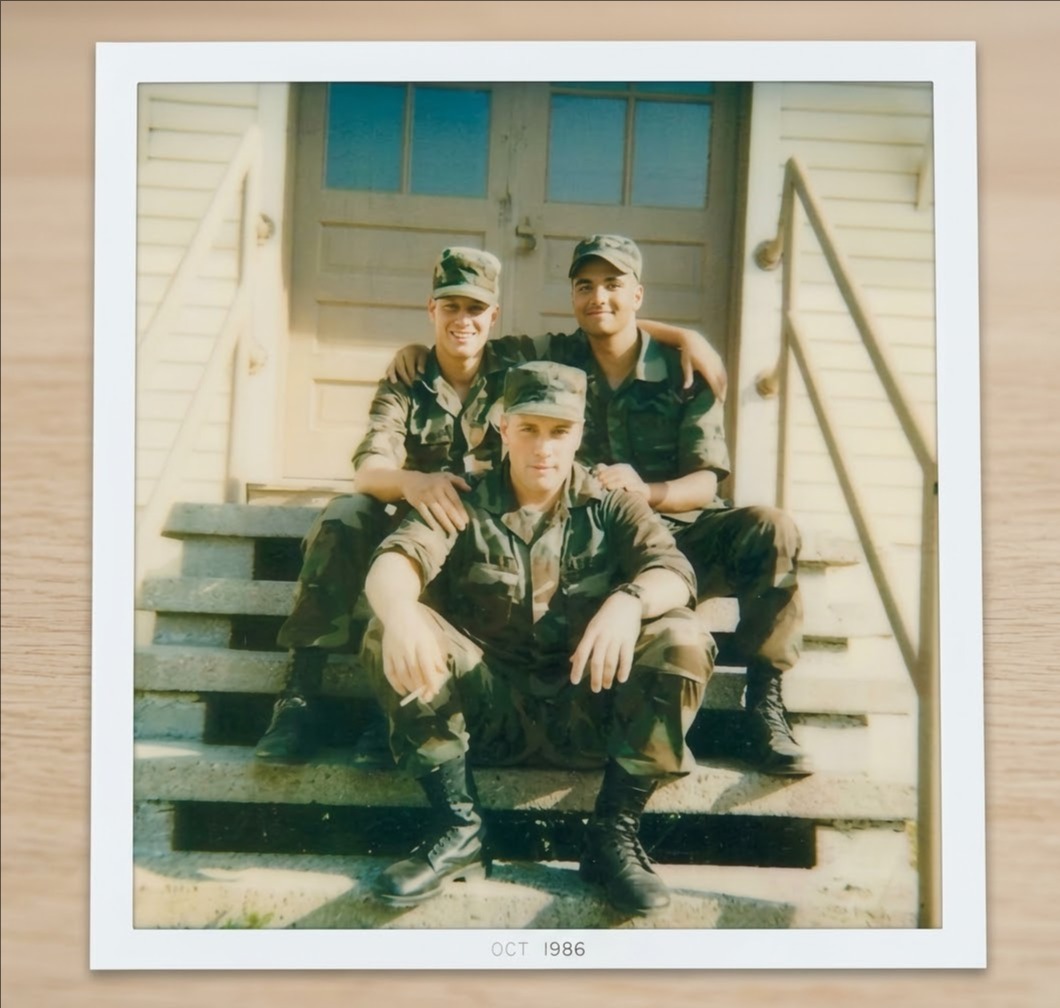
3rd Armored Division • U.S. Army • 1984
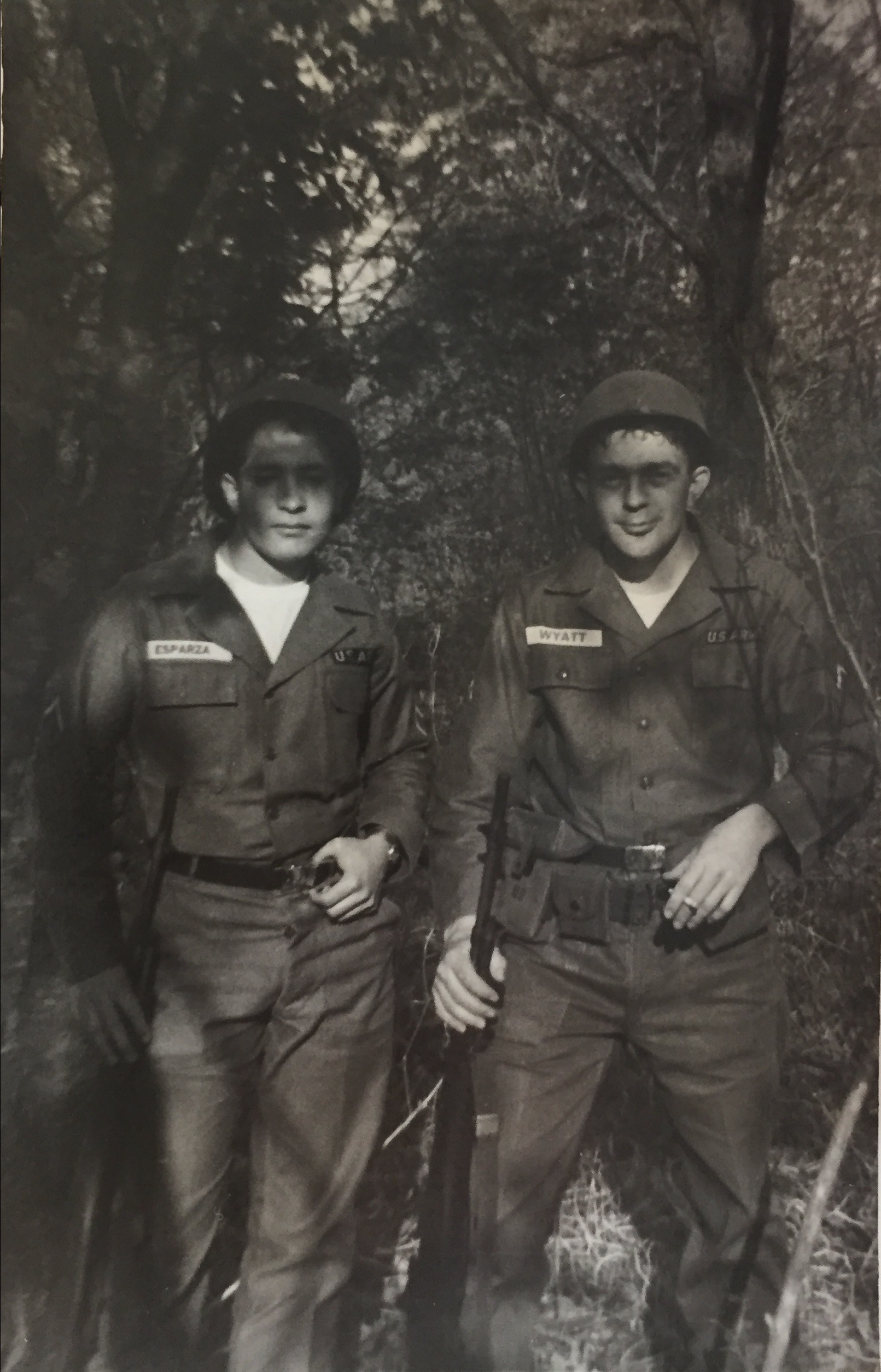
ARMY SECURITY AGENCY (ASA) • U.S. Army

U.S. Army

USAE AFCENT • U.S. Army • 1971