
Opening branch overview
Building the branch home surface
Loading branch highlights, featured unit context, and gallery moments.
Overview
Members
Units
Building the branch home surface
Loading branch highlights, featured unit context, and gallery moments.
Building the branch units surface
Loading unit filters, rankings, and the branch unit grid.

37 members•1 unit
Relive and share the memories of your service-time with your brothers and sisters in arms today. VetFriends.com can help you reconnect.
Did you proudly serve in the Fort Richardson-Anchorage, Alaska from 1973 to 1975?
Are you looking for someone who is or was in the Fort Richardson-Anchorage, Alaska from 1973 to 1975?
Do you have Fort Richardson-Anchorage, Alaska from 1973 to 1975 photos you'd like to share?
Then join a community with your brothers and sisters of the Fort Richardson-Anchorage, Alaska from 1973 to 1975.
Branch
U.S. Army
Members
37
From 1973 to 1975, Fort Richardson, located near Anchorage, Alaska, served as a key U.S. Army post supporting the defense of Alaska during the Cold War. The installation was home to elements of the 172nd Infantry Brigade (Separate), a unit responsible for Arctic training and rapid deployment in extreme conditions. During this period, soldiers at Fort Richardson participated in regular cold-weather exercises and joint operations with U.S. Air Force units at nearby Elmendorf Air Force Base. The post played a crucial role in maintaining U.S. military readiness in the northern Pacific region amid ongoing geopolitical tensions.
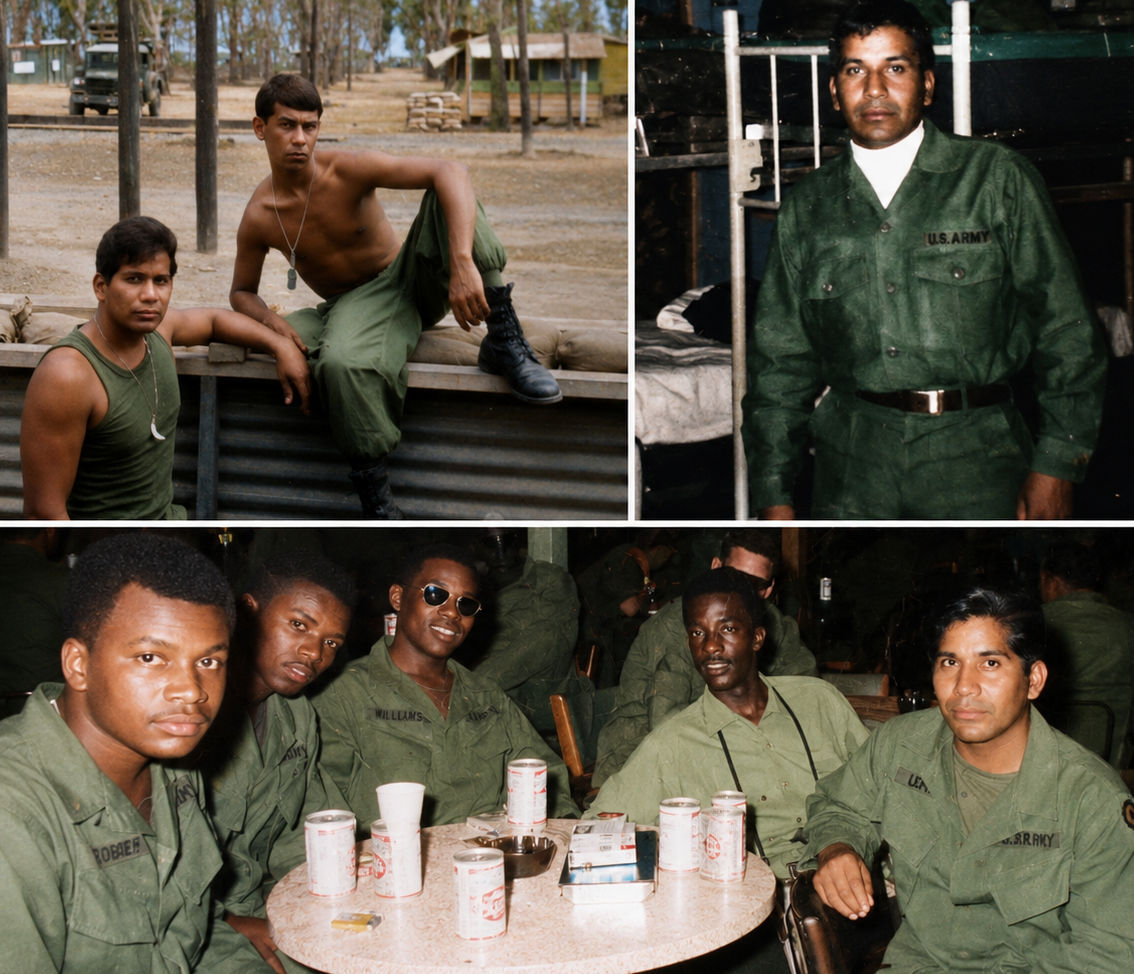
U.S. Army
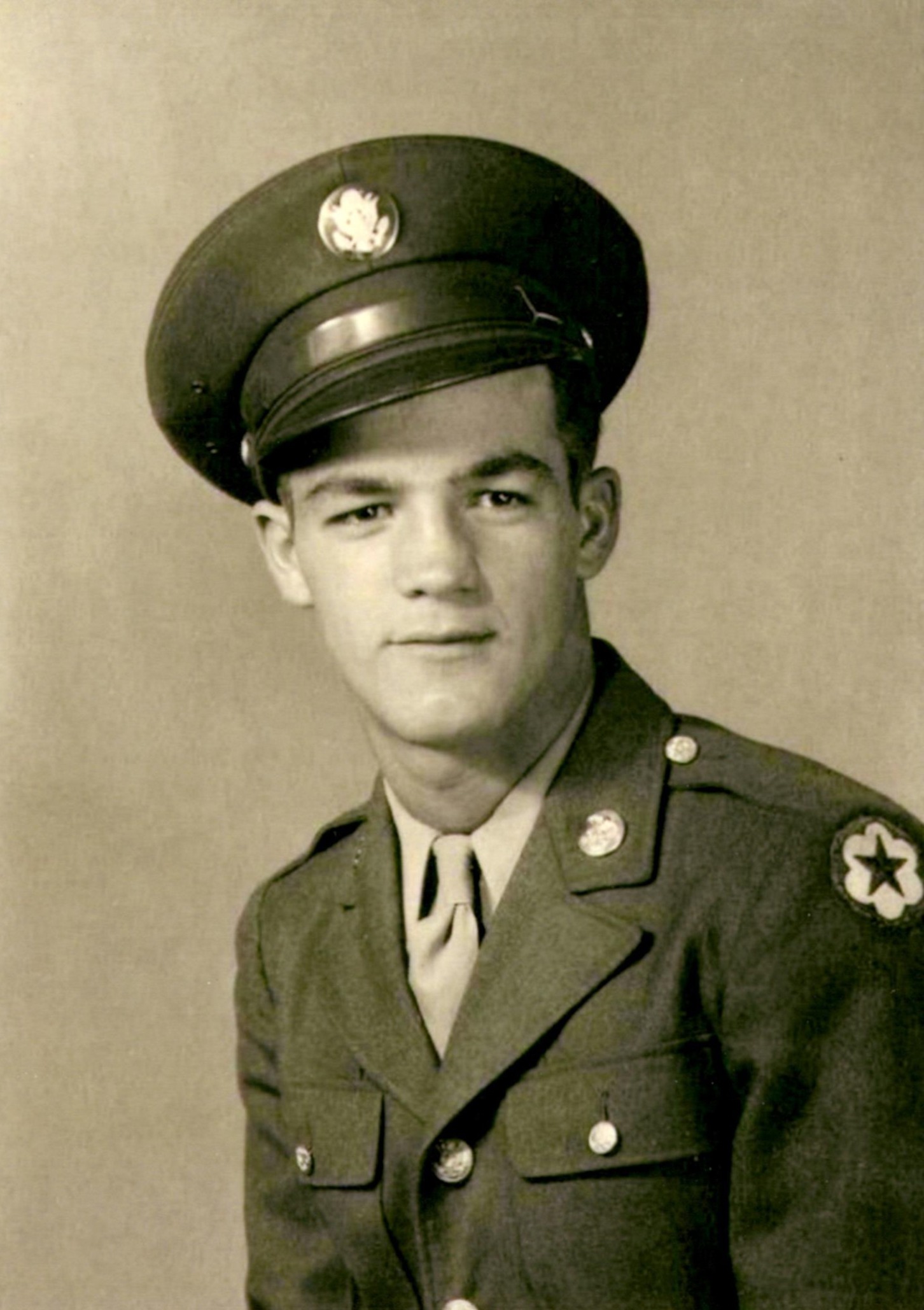
CBI • U.S. Army
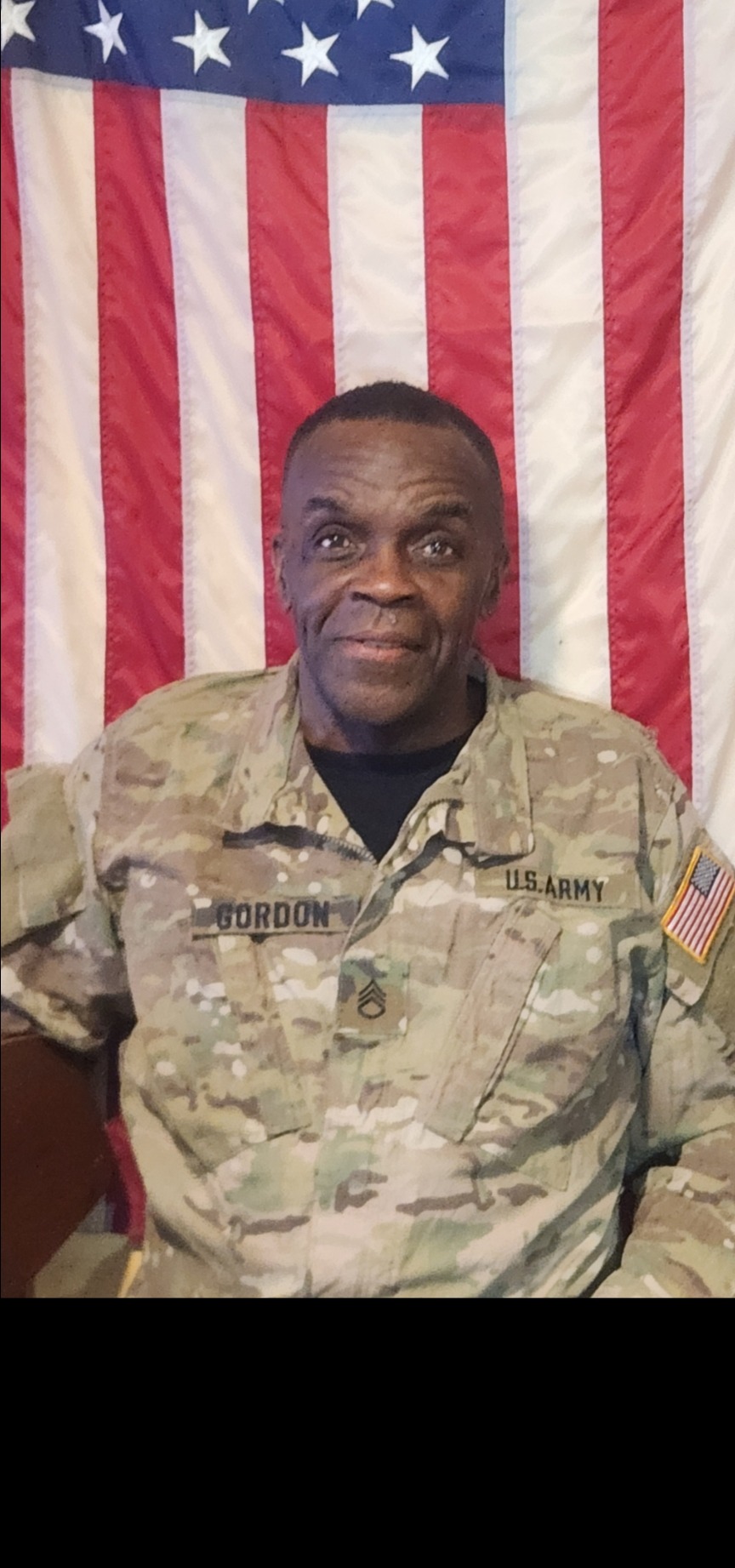
3 Infantry Signal • U.S. Army • 1980
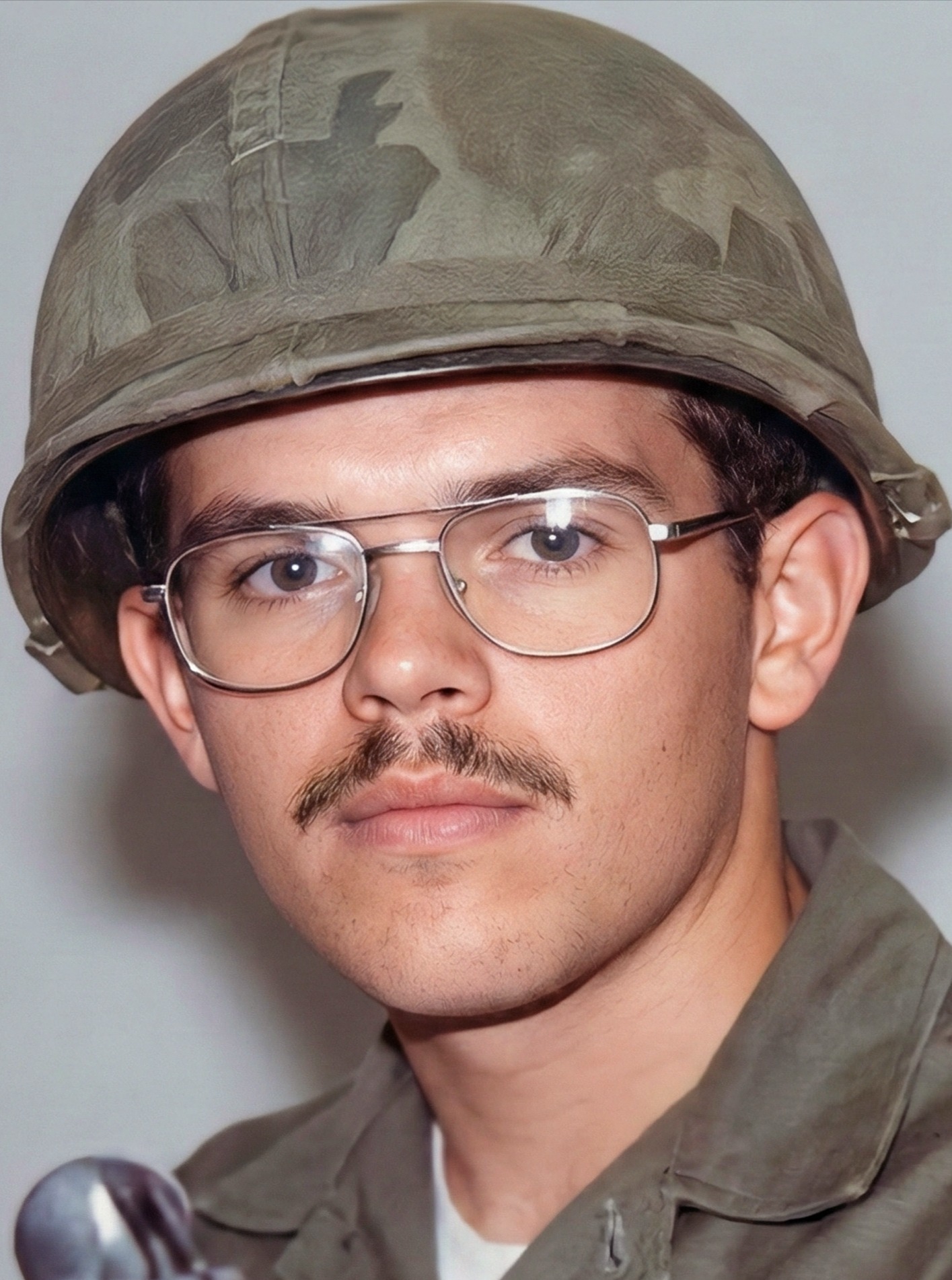
13th Engineer Battalion • U.S. Army • 1975