
Opening branch overview
Building the branch home surface
Loading branch highlights, featured unit context, and gallery moments.
Overview
Members
Units
Building the branch home surface
Loading branch highlights, featured unit context, and gallery moments.
Building the branch units surface
Loading unit filters, rankings, and the branch unit grid.

13 members•1 unit
Relive and share the memories of your service-time with your brothers and sisters in arms today. VetFriends.com can help you reconnect.
Did you proudly serve in the Fort Hunter Liggett?
Are you looking for someone who is or was in the Fort Hunter Liggett?
Do you have Fort Hunter Liggett photos you'd like to share?
Then join a community with your brothers and sisters of the Fort Hunter Liggett.
Branch
U.S. Army
Members
13
Fort Hunter Liggett, established in 1940, is a United States Army installation located in Monterey County, California. Originally part of the Hearst Ranch, the land was acquired by the Army to serve as a training and maneuver area during World War II. Over the decades, Fort Hunter Liggett has been utilized for large-scale field exercises, weapons testing, and as a key training site for Army Reserve and National Guard units. Today, it remains the largest Army Reserve installation in the western United States, supporting a wide range of military training operations and joint exercises.
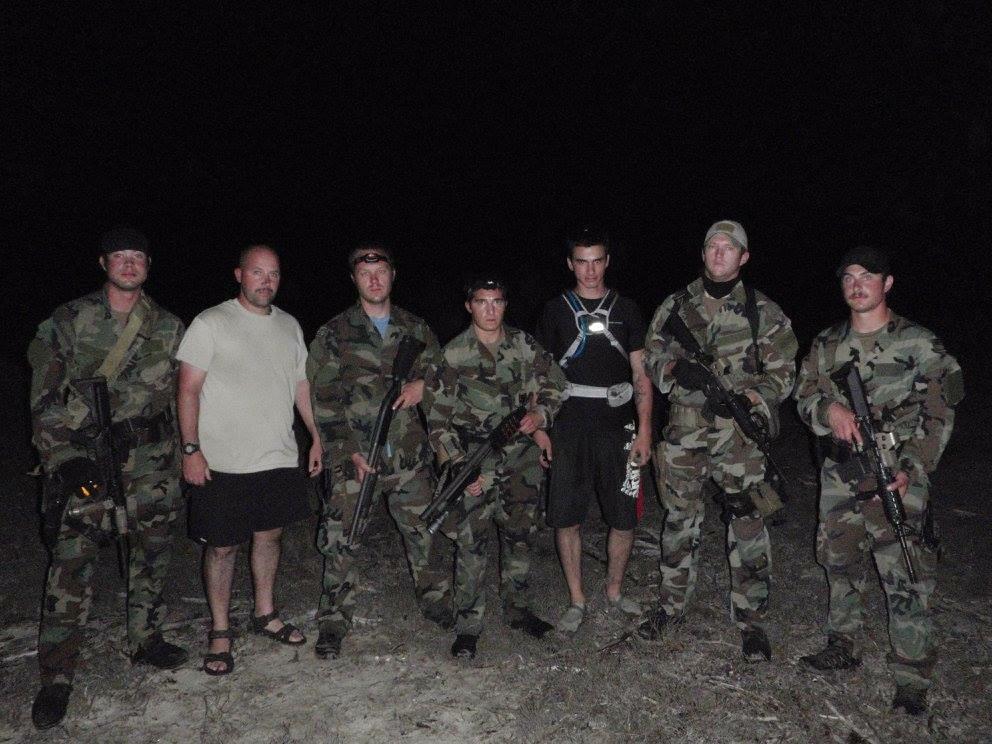
U.S. Army
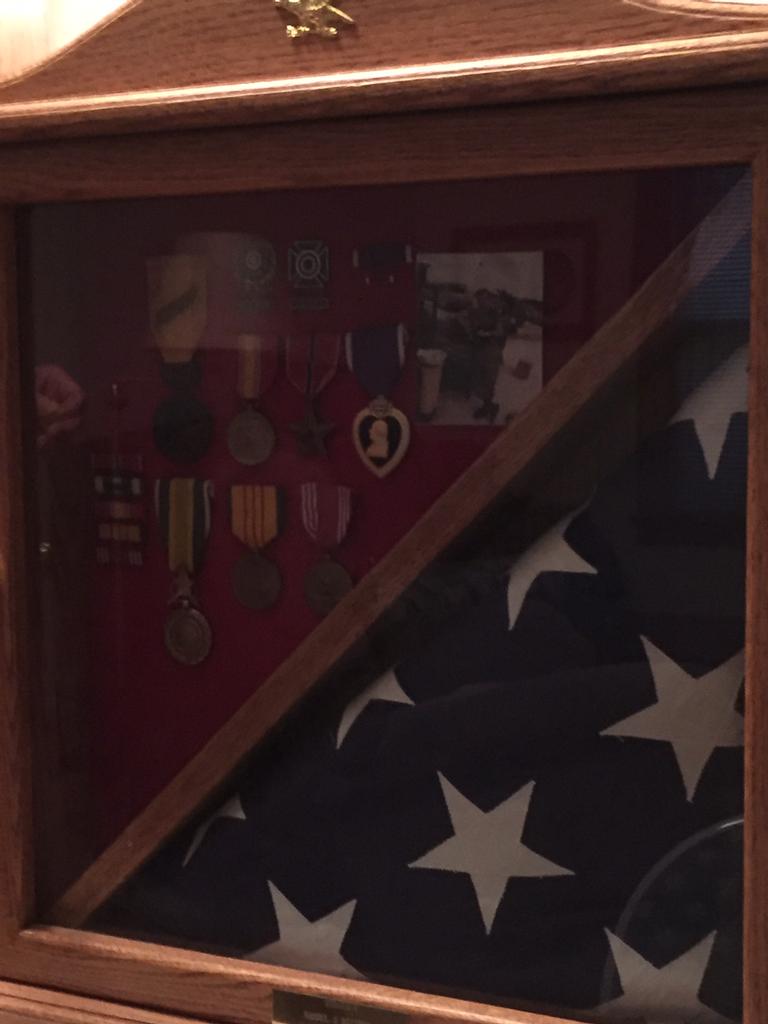
U.S. Army
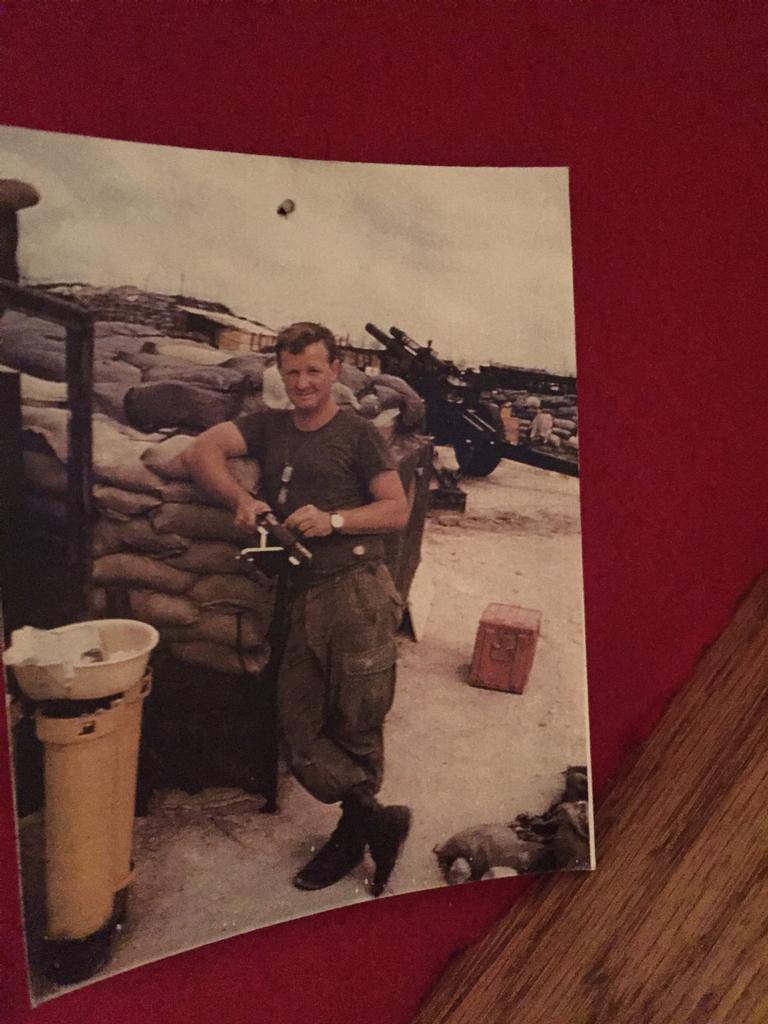
U.S. Army
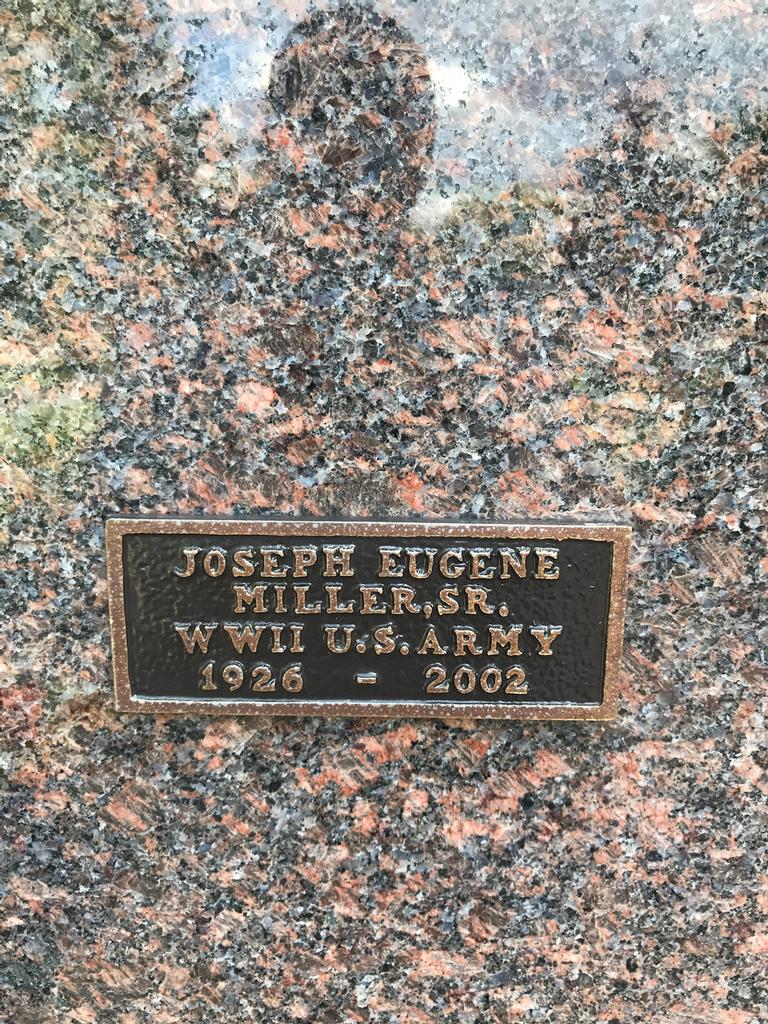
U.S. Army