
Opening branch overview
Building the branch home surface
Loading branch highlights, featured unit context, and gallery moments.
Overview
Members
Units
Building the branch home surface
Loading branch highlights, featured unit context, and gallery moments.
Building the branch units surface
Loading unit filters, rankings, and the branch unit grid.

61 members•1 unit
Relive and share the memories of your service-time with your brothers and sisters in arms today. VetFriends.com can help you reconnect.
Did you proudly serve in the Fort Belvoir, VA?
Are you looking for someone who is or was in the Fort Belvoir, VA?
Do you have Fort Belvoir, VA photos you'd like to share?
Then join a community with your brothers and sisters of the Fort Belvoir, VA.
Branch
U.S. Army
Members
61
Fort Belvoir, located in Fairfax County, Virginia, has played a pivotal role in U.S. military history since its establishment in 1917 as Camp A.A. Humphreys, a training site for Army engineers during World War I. Renamed Fort Belvoir in 1935, the installation evolved into a vital center for engineering, intelligence, and logistics operations. Over the decades, Fort Belvoir has hosted numerous major commands, including the U.S. Army Corps of Engineers and the Defense Logistics Agency. Today, it serves as a strategic administrative and support hub for multiple Department of Defense agencies, supporting a wide array of military missions both domestically and globally.
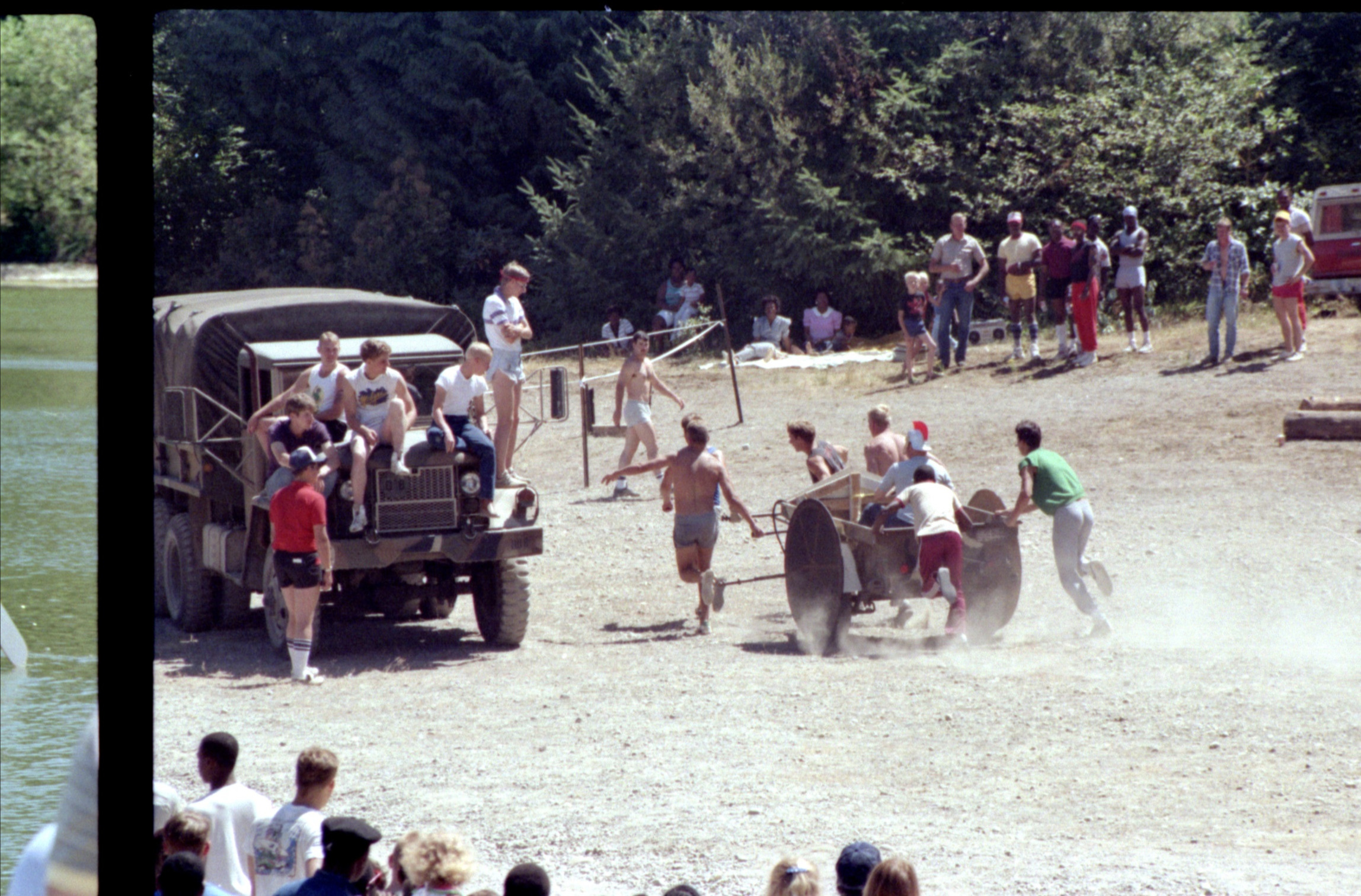
73rd Engineer Company • U.S. Army • 1986
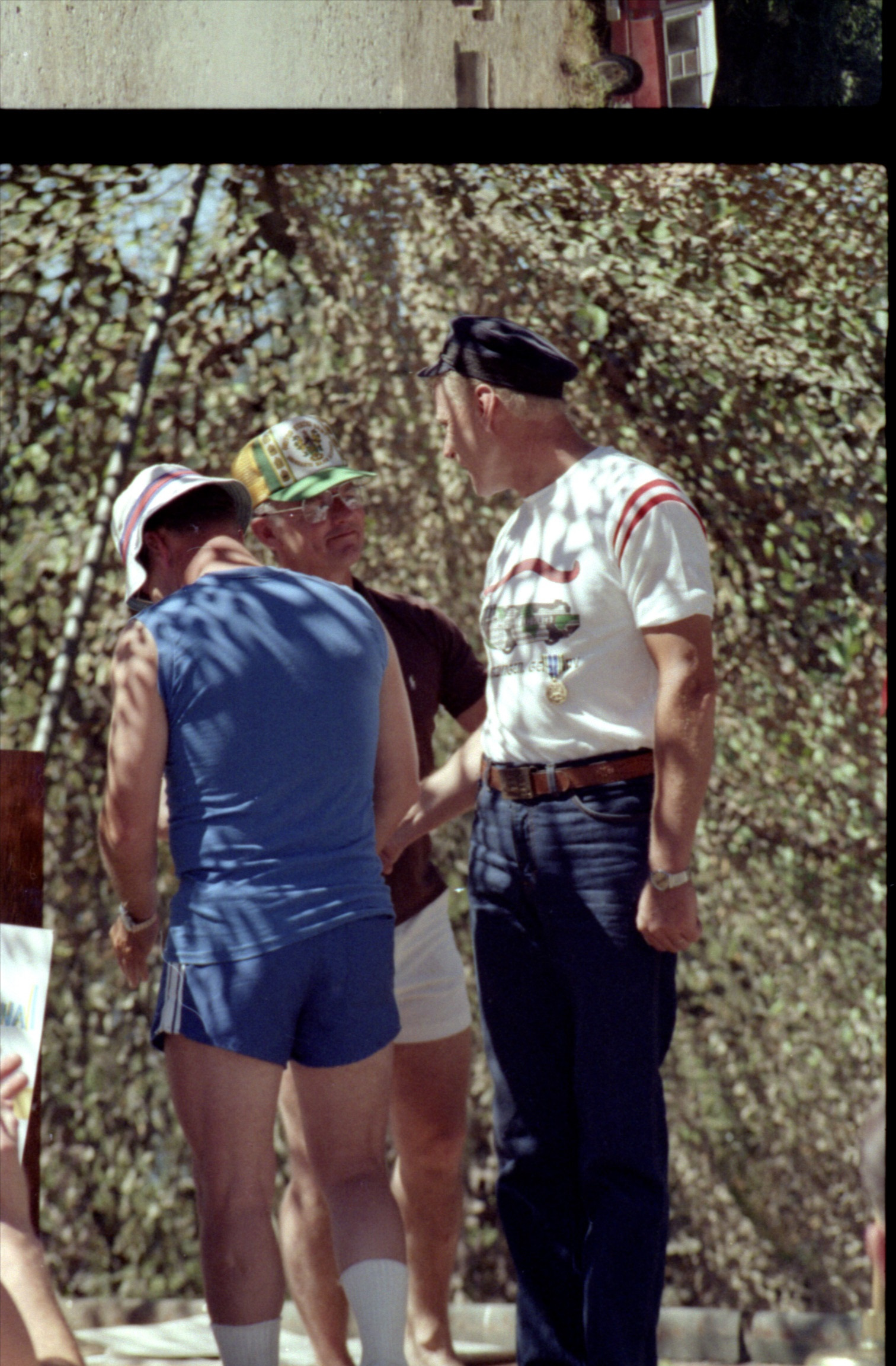
U.S. Army • 1985
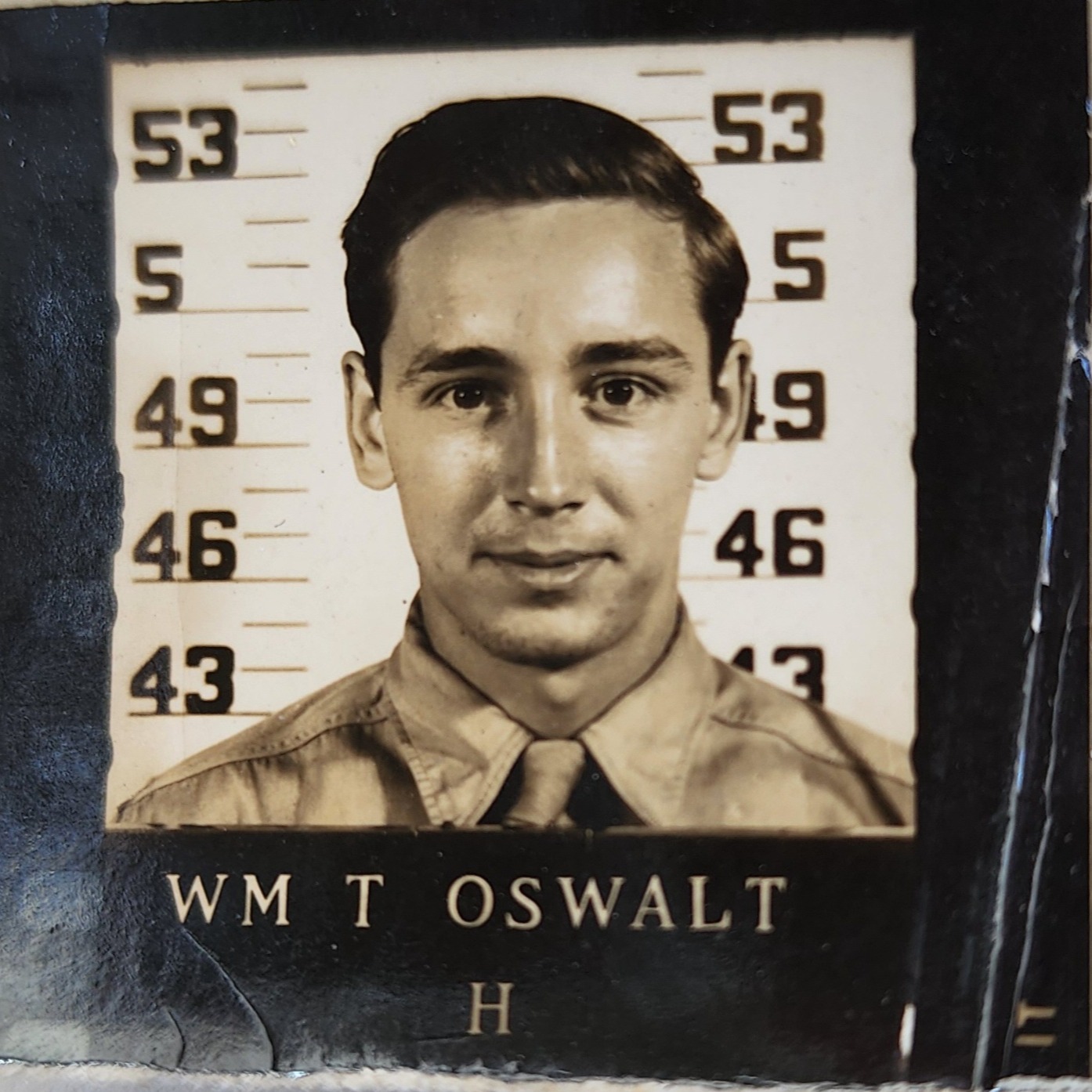
U.S. Army • 1944

U.S. Army