
Opening branch overview
Building the branch home surface
Loading branch highlights, featured unit context, and gallery moments.
Overview
Members
Units
Building the branch home surface
Loading branch highlights, featured unit context, and gallery moments.
Building the branch units surface
Loading unit filters, rankings, and the branch unit grid.

36 members•1 unit
Relive and share the memories of your service-time with your brothers and sisters in arms today. VetFriends.com can help you reconnect.
Did you proudly serve in the Fitzsimmons Army Medical Center?
Are you looking for someone who is or was in the Fitzsimmons Army Medical Center?
Do you have Fitzsimmons Army Medical Center photos you'd like to share?
Then join a community with your brothers and sisters of the Fitzsimmons Army Medical Center.
Branch
U.S. Army
Members
36
Fitzsimons Army Medical Center, originally established in 1918 as U.S. Army General Hospital No. 21 in Aurora, Colorado, was created in response to the influenza pandemic and to treat soldiers with tuberculosis. Renamed in 1920 to honor Lt. William T. Fitzsimons, the first American medical officer killed in World War I, the facility became a leading center for respiratory disease care and military medicine. During World War II, Fitzsimons expanded significantly, serving thousands of wounded service members and training medical personnel. The center continued its role in military and veteran care throughout the Cold War before closing as an Army facility in 1999.
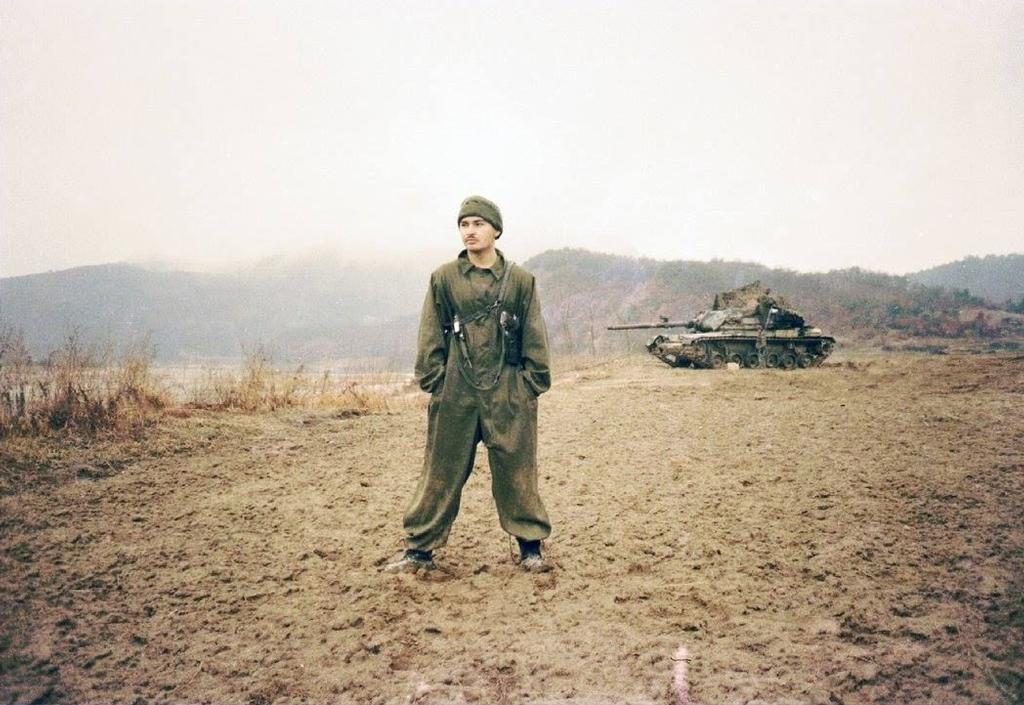
U.S. Army • 1964
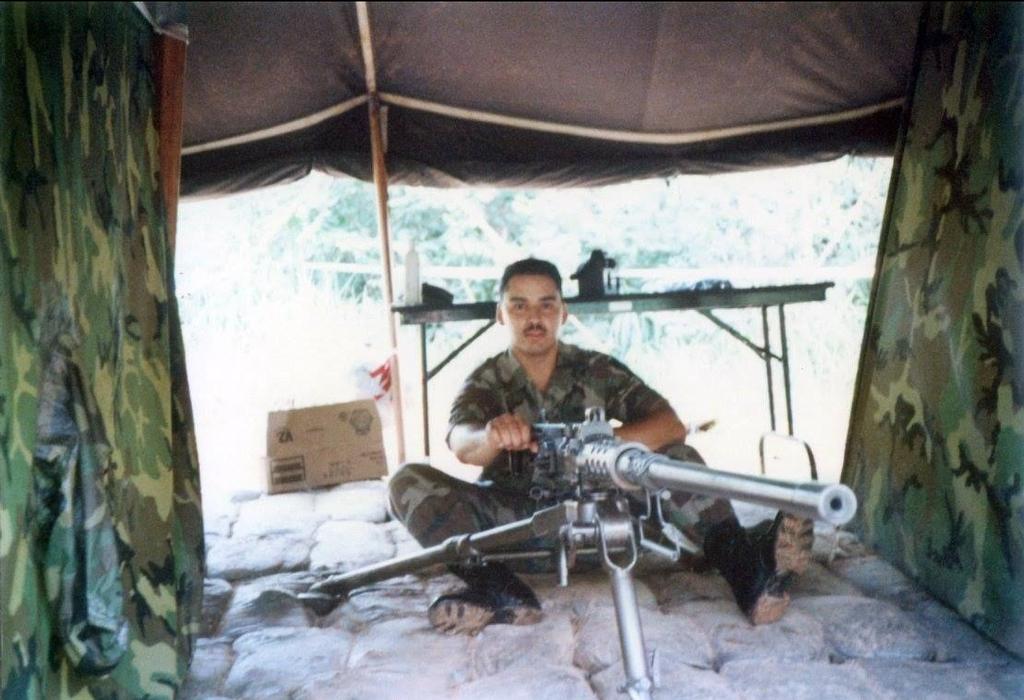
U.S. Army • 1964
U.S. Army
U.S. Army