
Opening branch overview
Building the branch home surface
Loading branch highlights, featured unit context, and gallery moments.
Overview
Members
Units
Building the branch home surface
Loading branch highlights, featured unit context, and gallery moments.
Building the branch units surface
Loading unit filters, rankings, and the branch unit grid.

1 members•1 unit
Relive and share the memories of your service-time with your brothers and sisters in arms today. VetFriends.com can help you reconnect.
Did you proudly serve in the Field Station Key West FL?
Are you looking for someone who is or was in the Field Station Key West FL?
Do you have Field Station Key West FL photos you'd like to share?
Then join a community with your brothers and sisters of the Field Station Key West FL.
Branch
U.S. Army
Members
1
Field Station Key West, located in Key West, Florida, was a United States Army Security Agency (ASA) signals intelligence (SIGINT) facility established during the early years of the Cold War. Activated in the late 1940s, the station played a crucial role in intercepting and analyzing communications from Cuba and the Caribbean, especially during periods of heightened tension such as the Cuban Missile Crisis. Operated primarily by the 313th ASA Battalion and later by various military intelligence units, Field Station Key West provided valuable intelligence to national decision-makers. The facility was eventually closed as advances in technology and shifting strategic priorities rendered its mission obsolete, but its legacy remains an important chapter in U.S. military intelligence history.
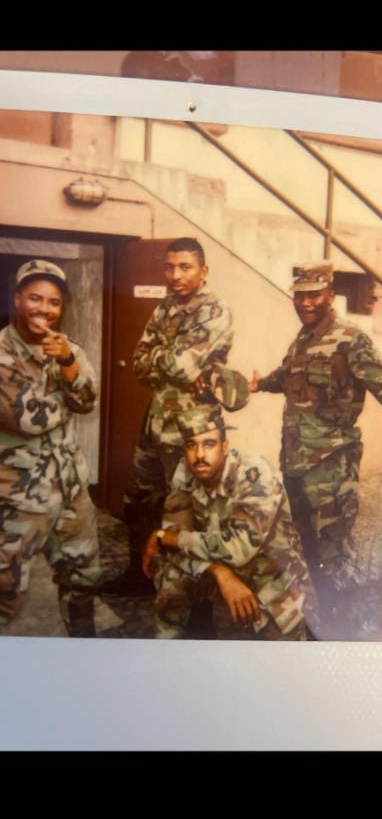
9th Engineer Batallion • U.S. Army
U.S. Army
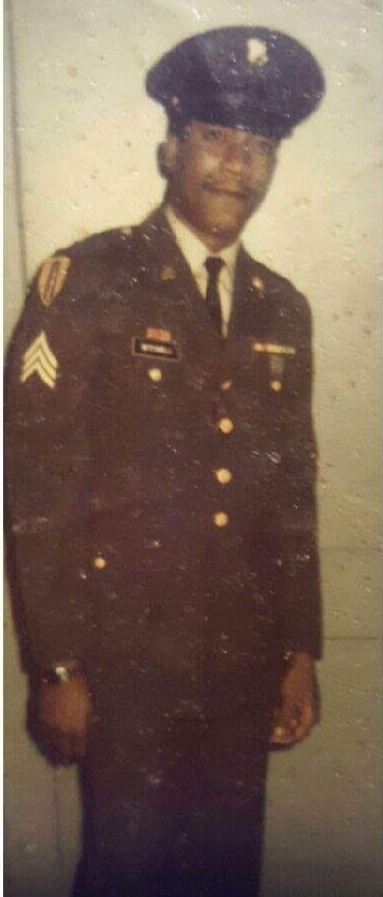
278 Signal Corp • U.S. Army
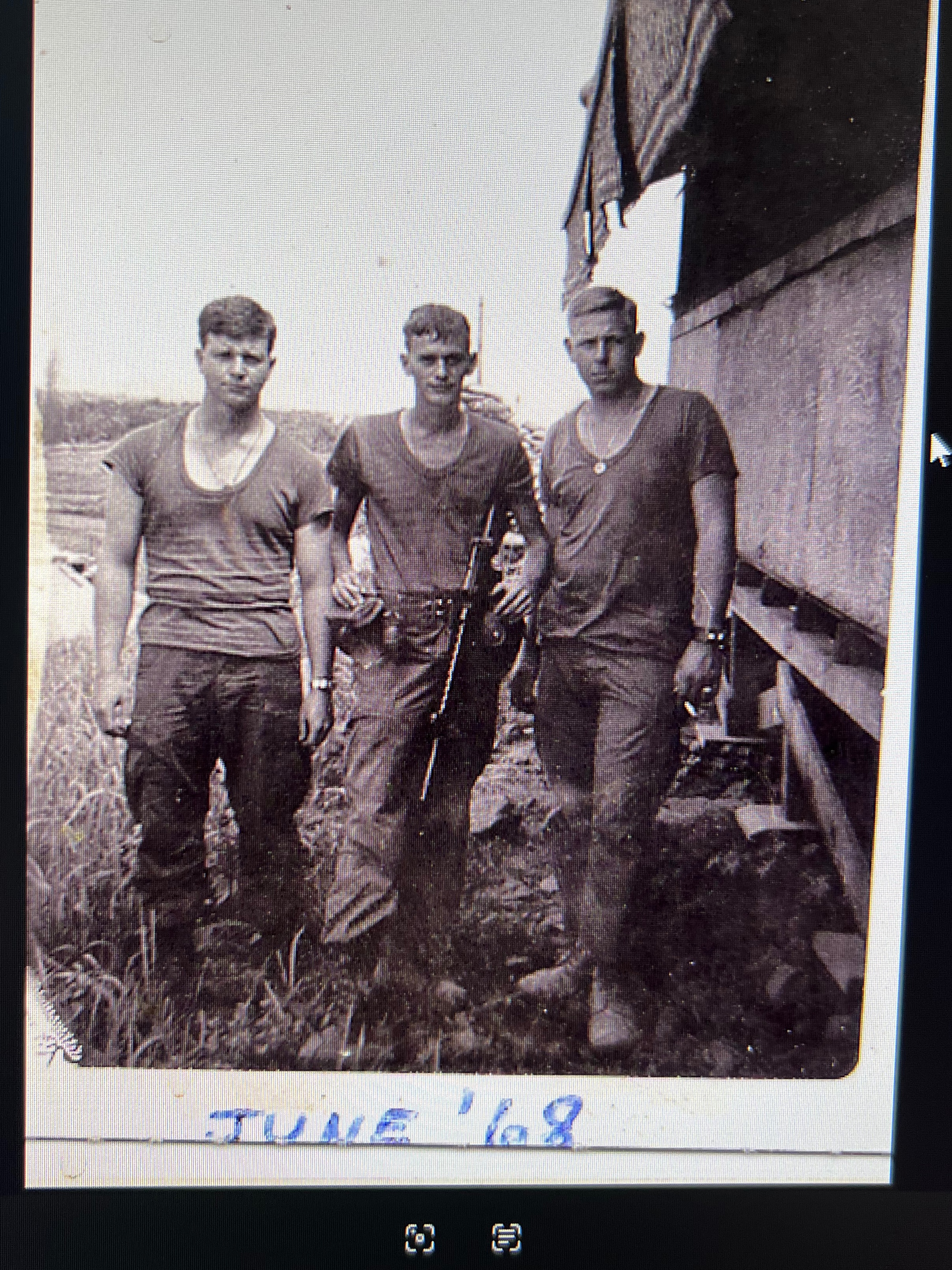
11th light infantry • U.S. Army • 1968