
Opening branch overview
Building the branch home surface
Loading branch highlights, featured unit context, and gallery moments.
Overview
Members
Units
Building the branch home surface
Loading branch highlights, featured unit context, and gallery moments.
Building the branch units surface
Loading unit filters, rankings, and the branch unit grid.

6 members•1 unit
Relive and share the memories of your service-time with your brothers and sisters in arms today. VetFriends.com can help you reconnect.
Did you proudly serve in the Engineering Duty Officer?
Are you looking for someone who is or was in the Engineering Duty Officer?
Do you have Engineering Duty Officer photos you'd like to share?
Then join a community with your brothers and sisters of the Engineering Duty Officer.
Branch
U.S. Army
Members
6
The Engineering Duty Officer (EDO) community is a specialized group within the United States Navy, officially established in 1940, though its origins trace back to the Navy’s earliest need for officers skilled in ship design, construction, and maintenance. EDOs have played critical roles in major conflicts, including World War II, where they oversaw the rapid expansion and repair of the fleet, ensuring operational readiness. Over the decades, their responsibilities have expanded to encompass cutting-edge technologies, nuclear propulsion, and complex systems integration for both surface ships and submarines. Today, Engineering Duty Officers continue to be essential, providing technical expertise and leadership in shipyards, acquisition programs, and engineering projects worldwide.

U.S. Army
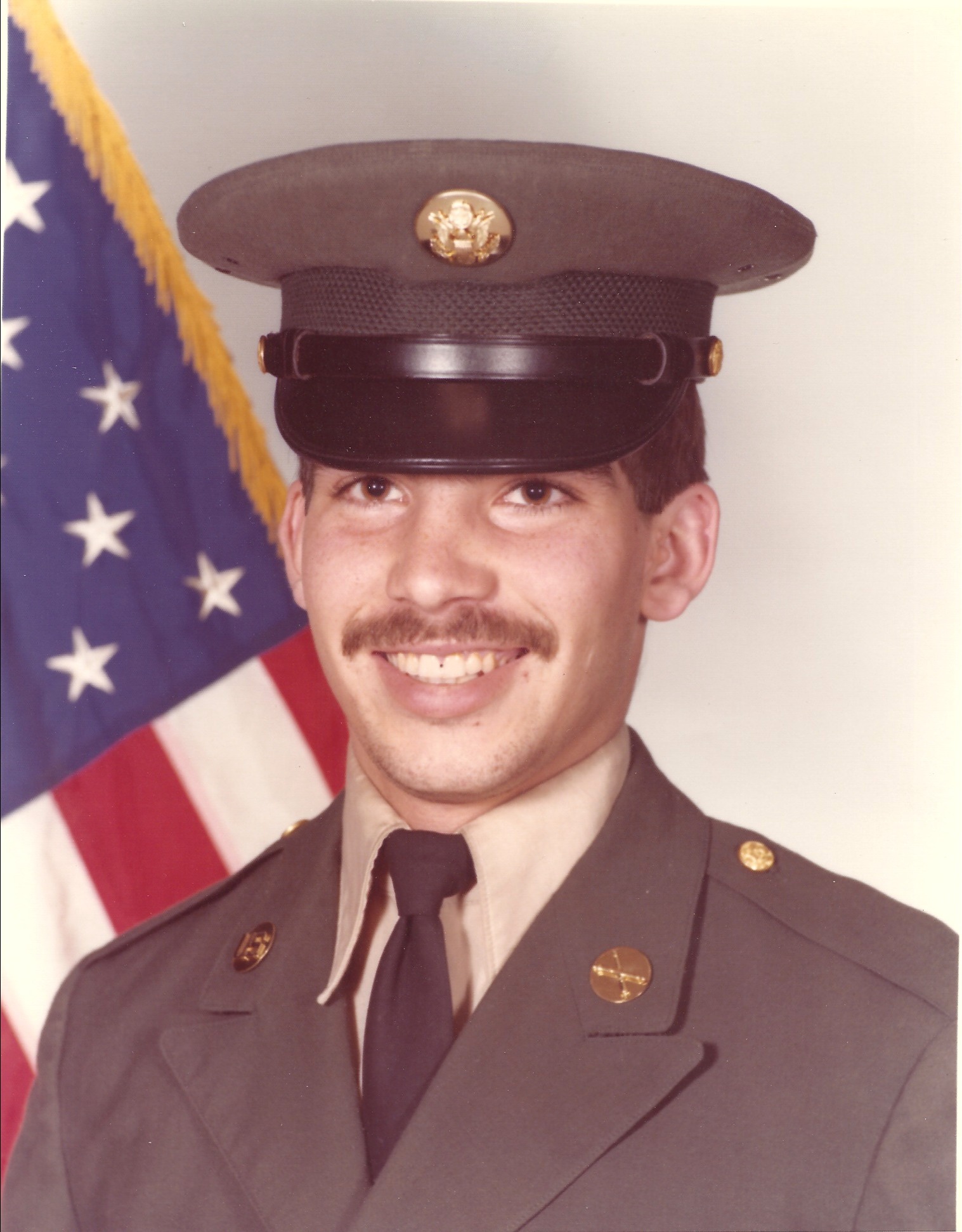
ARTILLERY • U.S. Army

U.S. Army
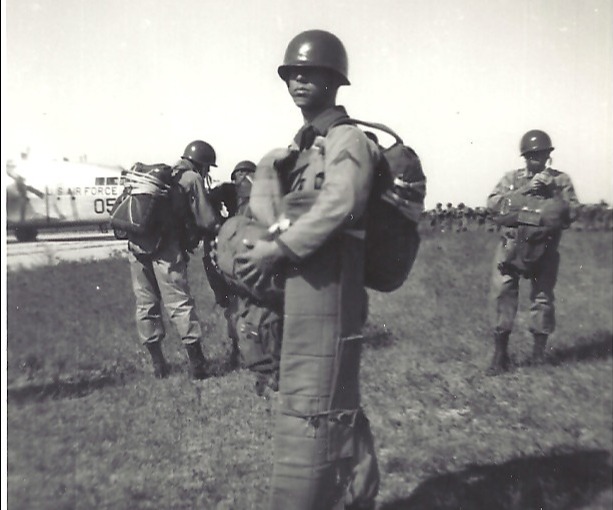
82nd Airborne • U.S. Army • 1954