
Opening branch overview
Building the branch home surface
Loading branch highlights, featured unit context, and gallery moments.
Overview
Members
Units
Building the branch home surface
Loading branch highlights, featured unit context, and gallery moments.
Building the branch units surface
Loading unit filters, rankings, and the branch unit grid.

37 members•1 unit
Relive and share the memories of your service-time with your brothers and sisters in arms today. VetFriends.com can help you reconnect.
Did you proudly serve in the Emergency Medical Health Service Paramedic Officer?
Are you looking for someone who is or was in the Emergency Medical Health Service Paramedic Officer?
Do you have Emergency Medical Health Service Paramedic Officer photos you'd like to share?
Then join a community with your brothers and sisters of the Emergency Medical Health Service Paramedic Officer.
Branch
U.S. Army
Members
37
The Emergency Medical Health Service Paramedic Officer unit was established to provide rapid, frontline medical care to military personnel in both combat and peacetime operations. Originating in the late 20th century, this unit evolved from traditional battlefield medics, incorporating advanced paramedic training and modern life-saving technologies. Paramedic Officers are deployed alongside combat units, offering critical emergency treatment, triage, and evacuation under hostile conditions. Their expertise has significantly increased survival rates for wounded soldiers, making them an indispensable component of modern military operations.
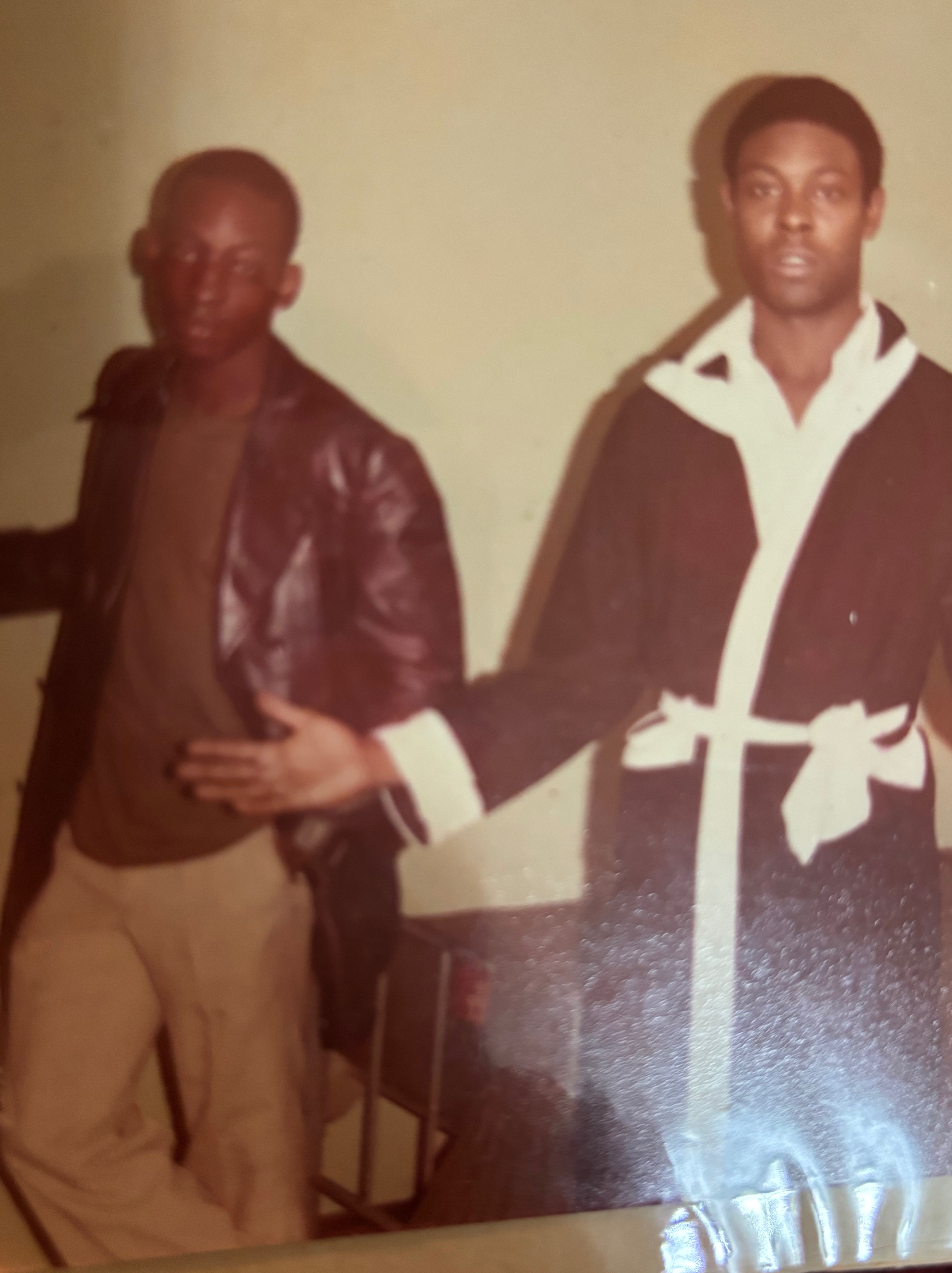
U.S. Army • 1981
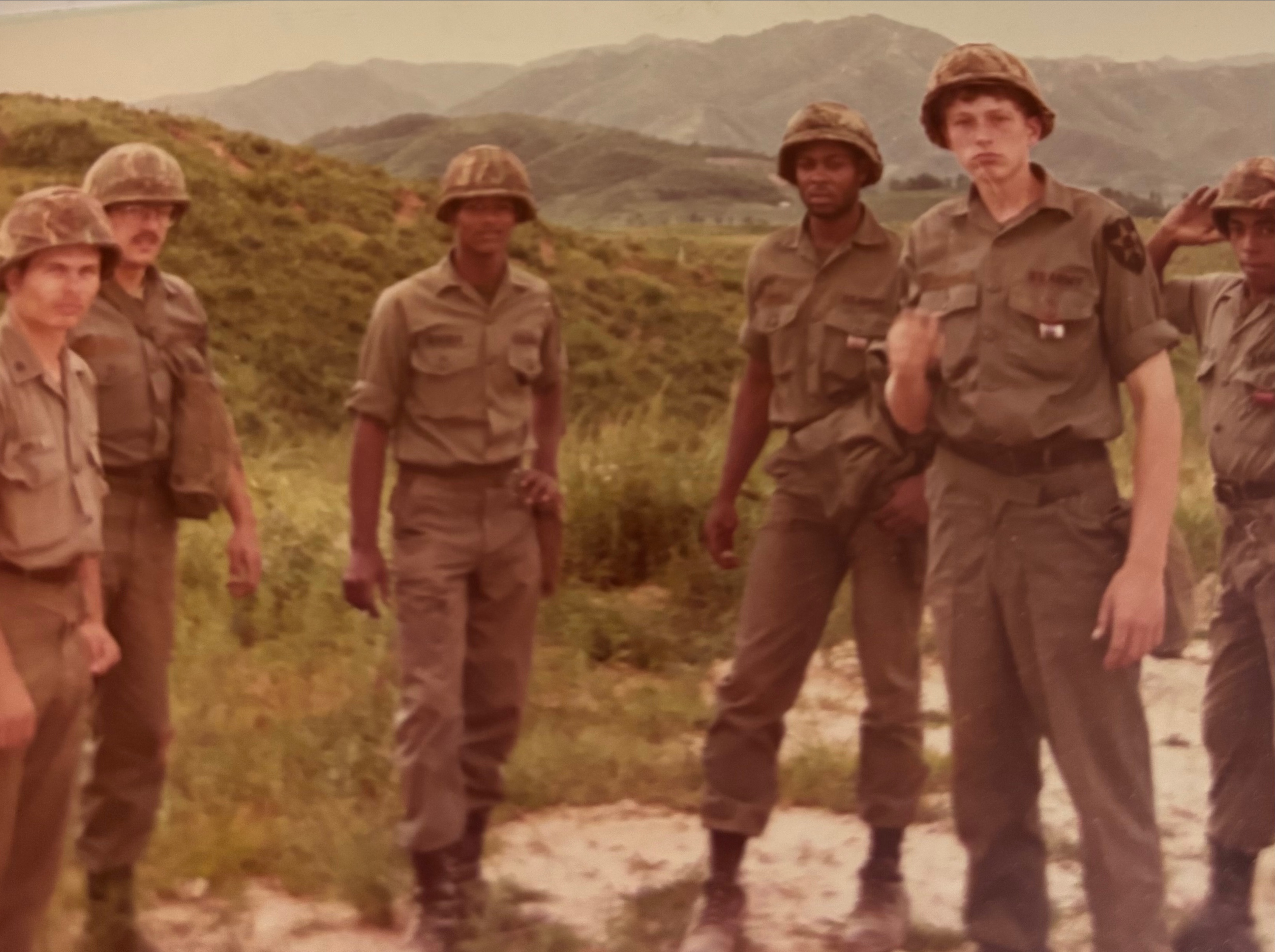
U.S. Army • 1980
C/84th • U.S. Army
U.S. Army