
Opening branch overview
Building the branch home surface
Loading branch highlights, featured unit context, and gallery moments.
Overview
Members
Units
Building the branch home surface
Loading branch highlights, featured unit context, and gallery moments.
Building the branch units surface
Loading unit filters, rankings, and the branch unit grid.

U.S. Army•9 members
Relive and share the memories of your service-time with your brothers and sisters in arms today. VetFriends.com can help you reconnect.
Did you proudly serve in the DLIFLC, Monterey?
Are you looking for someone who is or was in the DLIFLC, Monterey?
Do you have DLIFLC, Monterey photos you'd like to share?
Then join a community with your brothers and sisters of the DLIFLC, Monterey.
The Defense Language Institute Foreign Language Center (DLIFLC), located in Monterey, California, traces its origins to the Military Intelligence Service Language School established in 1941 at the Presidio of San Francisco to train Nisei soldiers in Japanese. In 1946, the school moved to the Presidio of Monterey, where it expanded its curriculum to include a wide range of critical languages for U.S. military and government personnel. Over the decades, DLIFLC has become the Department of Defense’s premier language training institution, providing intensive instruction in more than a dozen languages to service members from all branches. The institute plays a vital role in enhancing linguistic capabilities and cultural understanding, supporting U.S. military operations and intelligence efforts worldwide.
U.S. Army
U.S. Army
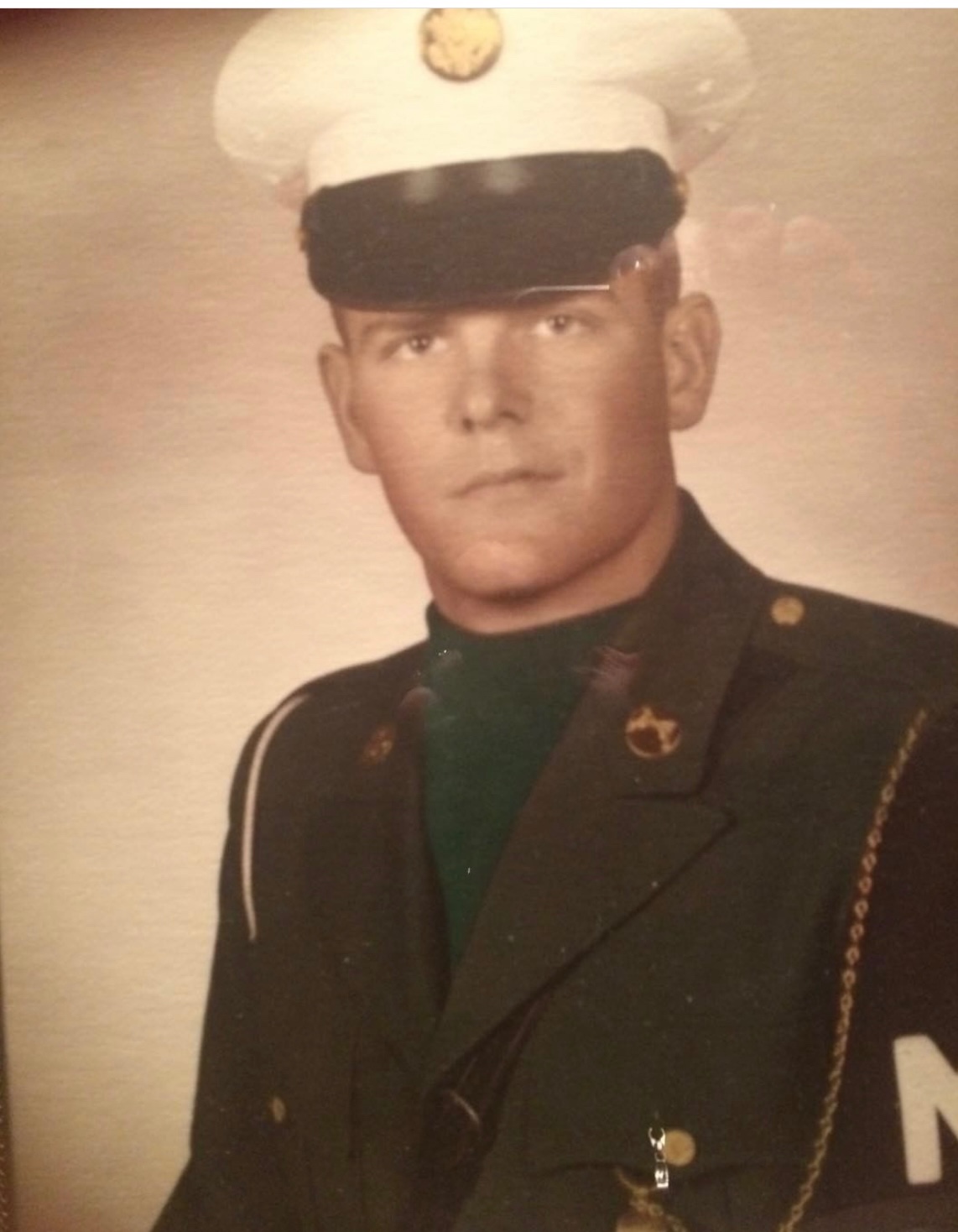
572nd MP Company • U.S. Army • 1966
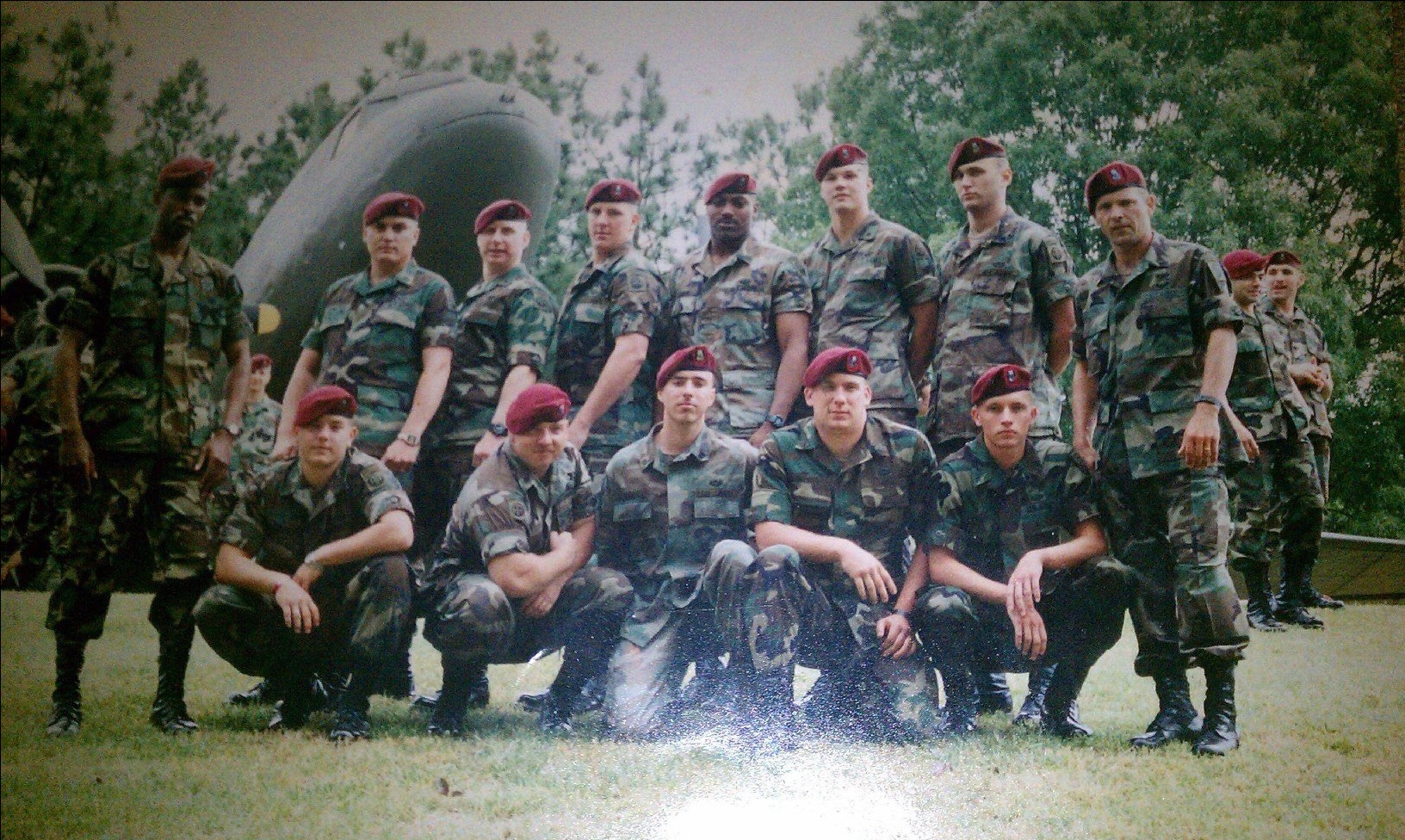
U.S. Army