
Opening branch overview
Building the branch home surface
Loading branch highlights, featured unit context, and gallery moments.
Overview
Members
Units
Building the branch home surface
Loading branch highlights, featured unit context, and gallery moments.
Building the branch units surface
Loading unit filters, rankings, and the branch unit grid.

1 members•1 unit
Relive and share the memories of your service-time with your brothers and sisters in arms today. VetFriends.com can help you reconnect.
Did you proudly serve in the Direct support?
Are you looking for someone who is or was in the Direct support?
Do you have Direct support photos you'd like to share?
Then join a community with your brothers and sisters of the Direct support.
Branch
U.S. Army
Members
1
"Direct Support" is not the name of a specific military unit but rather a term used to describe a type of support provided by military units, particularly in logistics, maintenance, and operational roles. The concept of direct support emerged prominently during World War II, when increasingly complex military operations required dedicated units to provide immediate assistance to combat forces, such as maintenance battalions repairing tanks and vehicles close to the front lines. In the U.S. Army, for example, units designated as "Direct Support" (DS) provide tailored support to specific maneuver units, ensuring rapid response to operational needs. Over time, the direct support structure has evolved with modern military doctrine, emphasizing flexibility and integration with supported units to enhance combat effectiveness.
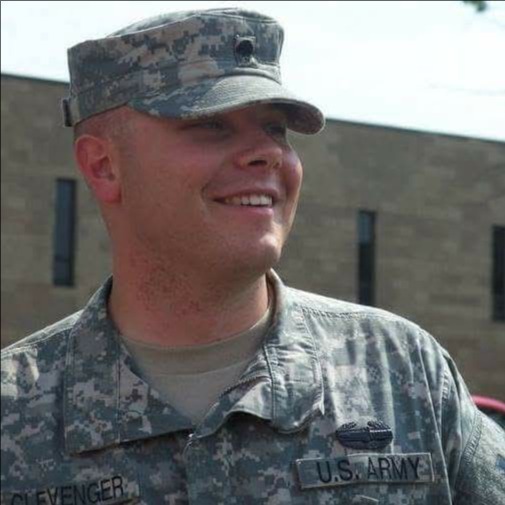
Troop G RFS 278th ACR • U.S. Army • 2010
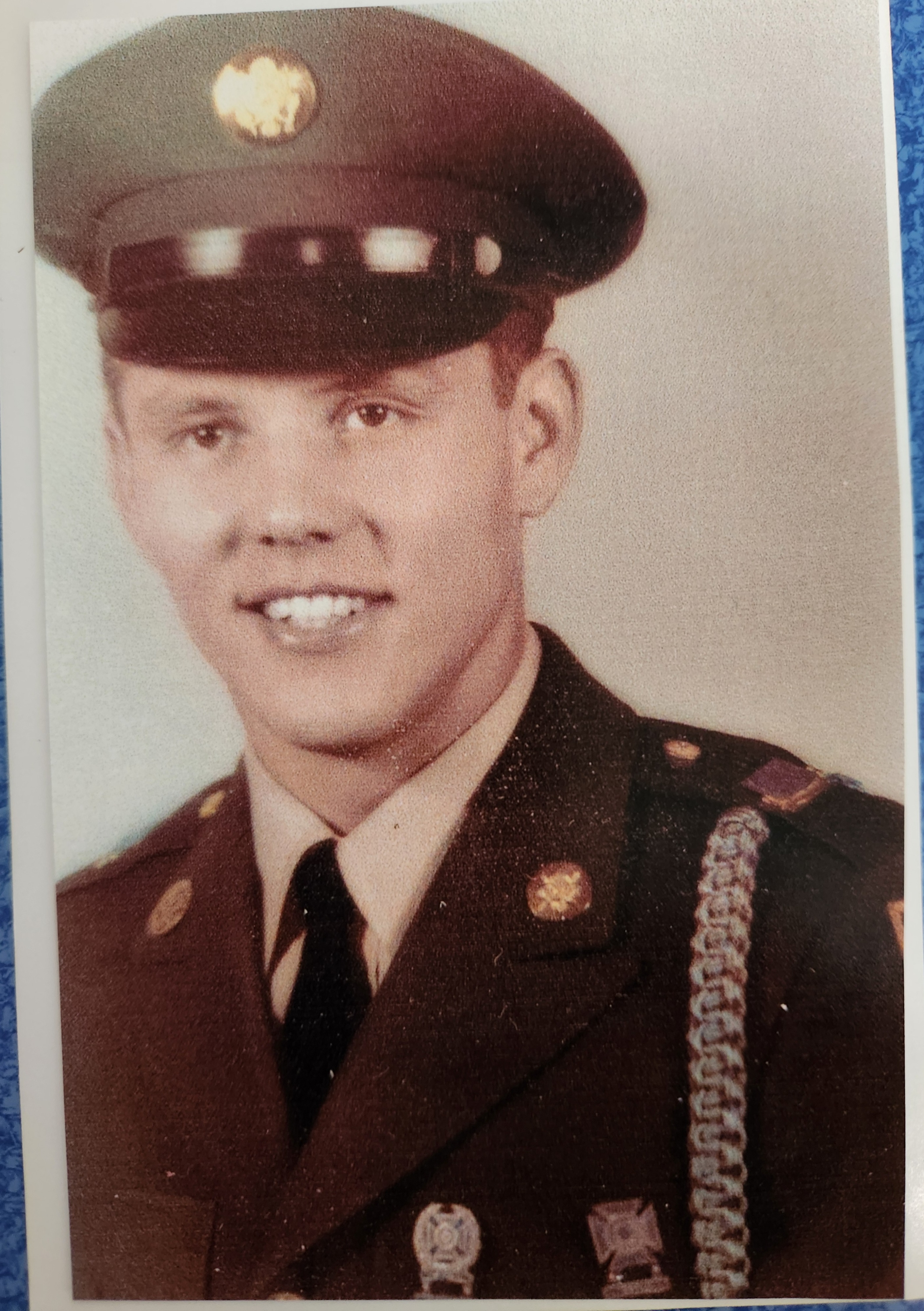
330th Radio Research Unit • U.S. Army • 1965
1/3ADA SVC.BTRY Ft. Carson Colorado • U.S. Army • 2026
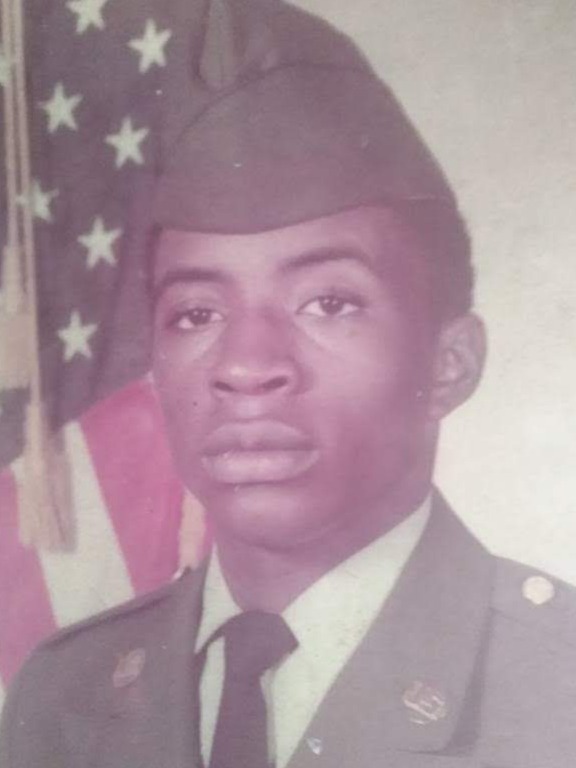
C-7-2 • U.S. Army • 1984