
Opening branch overview
Building the branch home surface
Loading branch highlights, featured unit context, and gallery moments.
Overview
Members
Units
Building the branch home surface
Loading branch highlights, featured unit context, and gallery moments.
Building the branch units surface
Loading unit filters, rankings, and the branch unit grid.

4 members•1 unit
Relive and share the memories of your service-time with your brothers and sisters in arms today. VetFriends.com can help you reconnect.
Did you proudly serve in the DefenseCommunicatio Agency(DCA-SAM)?
Are you looking for someone who is or was in the DefenseCommunicatio Agency(DCA-SAM)?
Do you have DefenseCommunicatio Agency(DCA-SAM) photos you'd like to share?
Then join a community with your brothers and sisters of the DefenseCommunicatio Agency(DCA-SAM).
Branch
U.S. Army
Members
4
The Defense Communications Agency - Strategic Asset Management (DCA-SAM) was established in 1960 as a specialized unit within the U.S. Department of Defense, tasked with ensuring secure and reliable communications for critical military operations. Originally formed to integrate and manage defense communication networks during the Cold War, DCA-SAM played a pivotal role in the development and maintenance of global command and control systems. Throughout its history, the unit has overseen the deployment of advanced communication technologies and safeguarded strategic assets against emerging cyber and electronic threats. In 1991, DCA-SAM’s mission and capabilities were absorbed into the newly formed Defense Information Systems Agency (DISA), marking the end of its independent operations but leaving a lasting legacy in military communications.
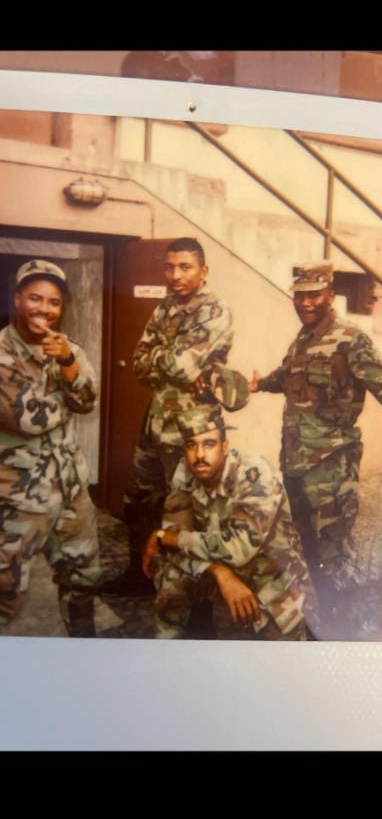
9th Engineer Batallion • U.S. Army

U.S. Army
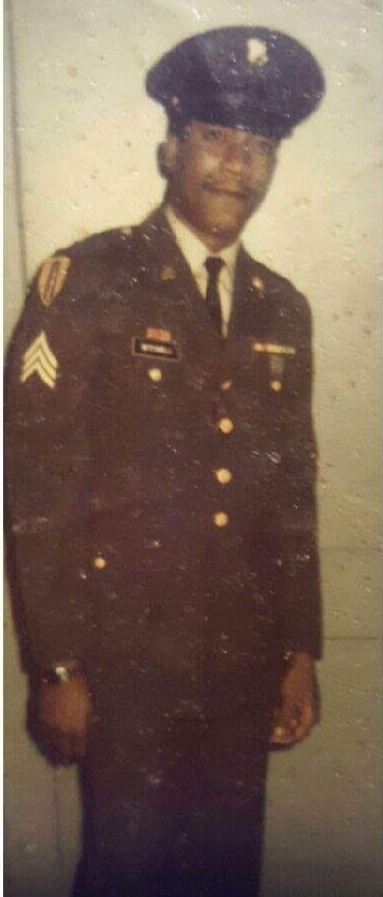
278 Signal Corp • U.S. Army
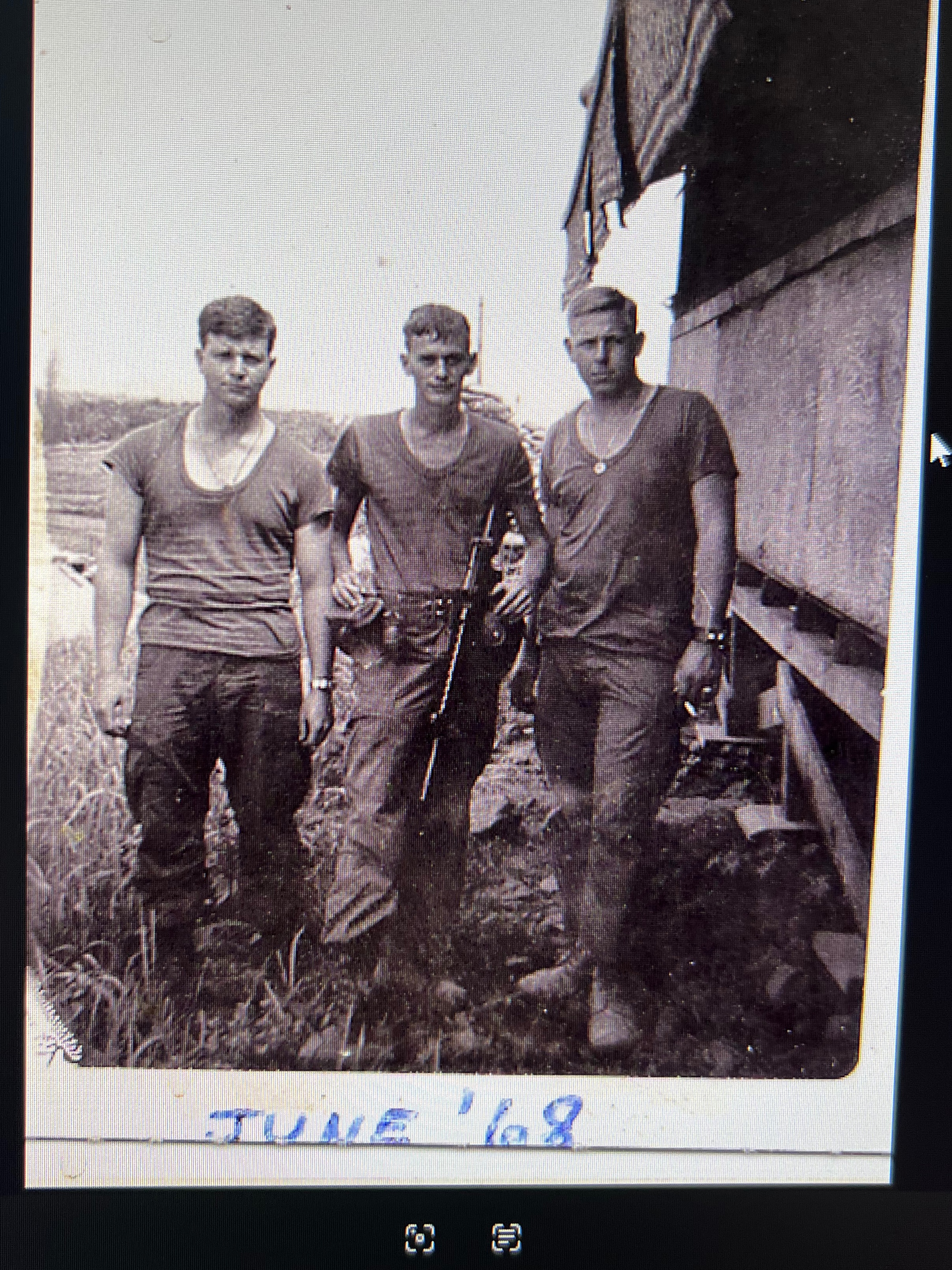
11th light infantry • U.S. Army • 1968