
Opening branch overview
Building the branch home surface
Loading branch highlights, featured unit context, and gallery moments.
Overview
Members
Units
Building the branch home surface
Loading branch highlights, featured unit context, and gallery moments.
Building the branch units surface
Loading unit filters, rankings, and the branch unit grid.

2 members•1 unit
Relive and share the memories of your service-time with your brothers and sisters in arms today. VetFriends.com can help you reconnect.
Did you proudly serve in the DAVIS STATION 509TH RRCUV?
Are you looking for someone who is or was in the DAVIS STATION 509TH RRCUV?
Do you have DAVIS STATION 509TH RRCUV photos you'd like to share?
Then join a community with your brothers and sisters of the DAVIS STATION 509TH RRCUV.
Branch
U.S. Army
Members
2
**DAVIS STATION 509TH RRCUV Military History** Davis Station was a key operational site for the 509th Radio Research Company (United States Army), a unit specializing in signals intelligence (SIGINT) during the Vietnam War. The 509th RRC, later designated as the 509th Radio Research Company (Aviation), provided critical aerial electronic surveillance to support U.S. and allied ground operations across Southeast Asia. From Davis Station, located on the perimeter of Tan Son Nhut Air Base near Saigon, the unit operated aircraft equipped to intercept and locate enemy communications. Their intelligence gathering played a vital role in counterinsurgency and battlefield awareness throughout the conflict until the drawdown of U.S. forces in the early 1970s.
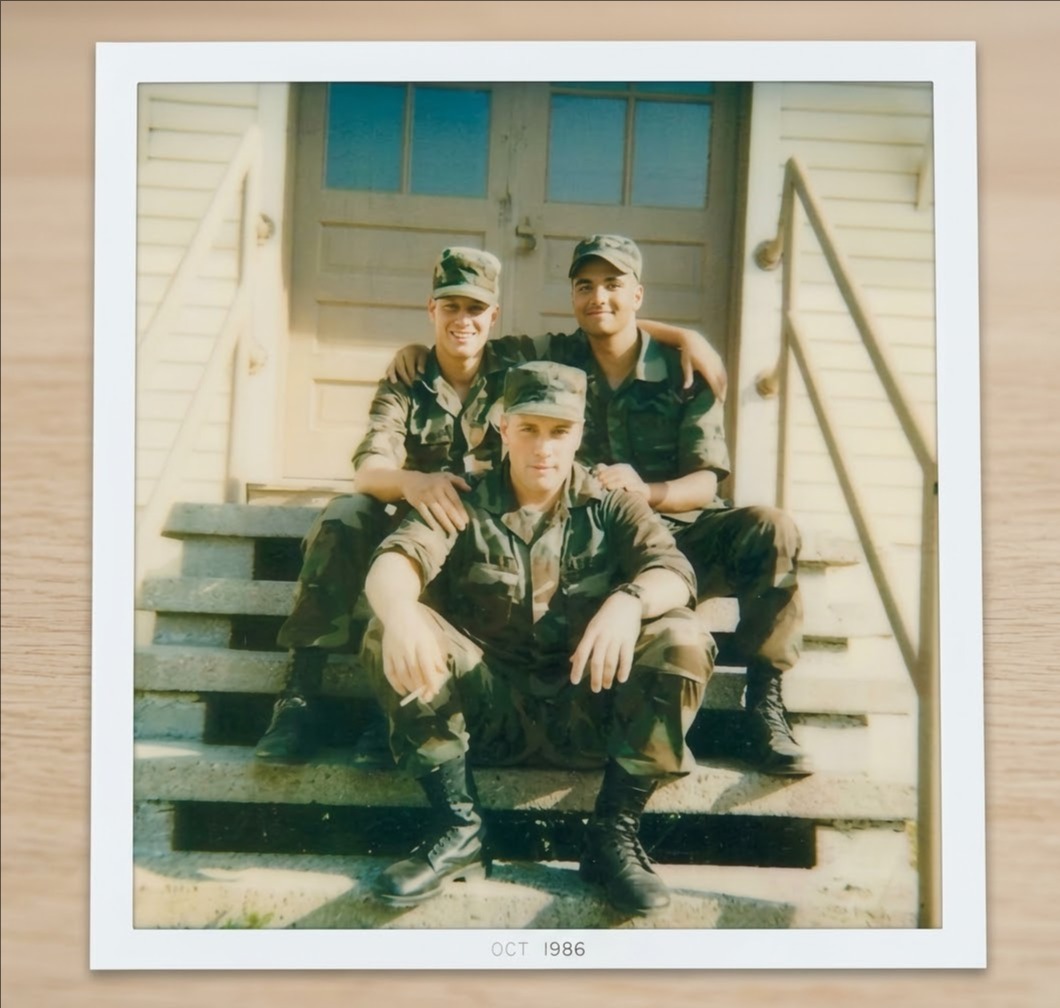
3rd Armored Division • U.S. Army • 1984
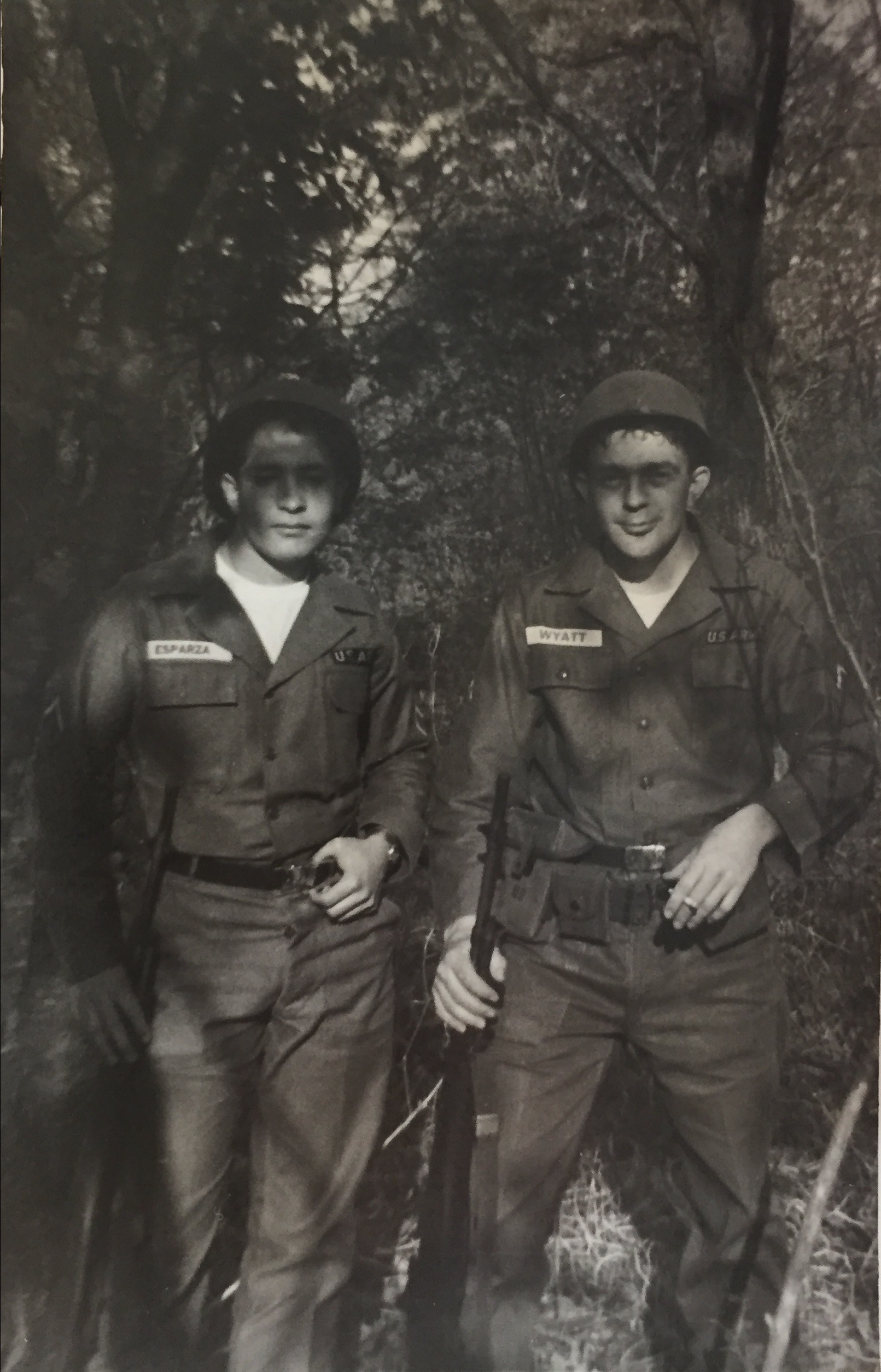
ARMY SECURITY AGENCY (ASA) • U.S. Army

U.S. Army

USAE AFCENT • U.S. Army • 1971