
Opening branch overview
Building the branch home surface
Loading branch highlights, featured unit context, and gallery moments.
Overview
Members
Units
Building the branch home surface
Loading branch highlights, featured unit context, and gallery moments.
Building the branch units surface
Loading unit filters, rankings, and the branch unit grid.

1 members•1 unit
Relive and share the memories of your service-time with your brothers and sisters in arms today. VetFriends.com can help you reconnect.
Did you proudly serve in the Continental Army Command?
Are you looking for someone who is or was in the Continental Army Command?
Do you have Continental Army Command photos you'd like to share?
Then join a community with your brothers and sisters of the Continental Army Command.
Branch
U.S. Army
Members
1
The Continental Army Command (CONARC) was a major command of the United States Army, established in 1955 as a successor to the Army Ground Forces and the Army Field Forces. Its primary mission was to oversee the training, organization, and doctrine development for Army units within the continental United States. CONARC played a pivotal role in preparing the Army for Cold War contingencies, including the integration of new technologies and the management of major training centers. In 1973, CONARC was disestablished as the Army underwent a major reorganization, with its functions divided between the newly created United States Army Forces Command (FORSCOM) and United States Army Training and Doctrine Command (TRADOC).
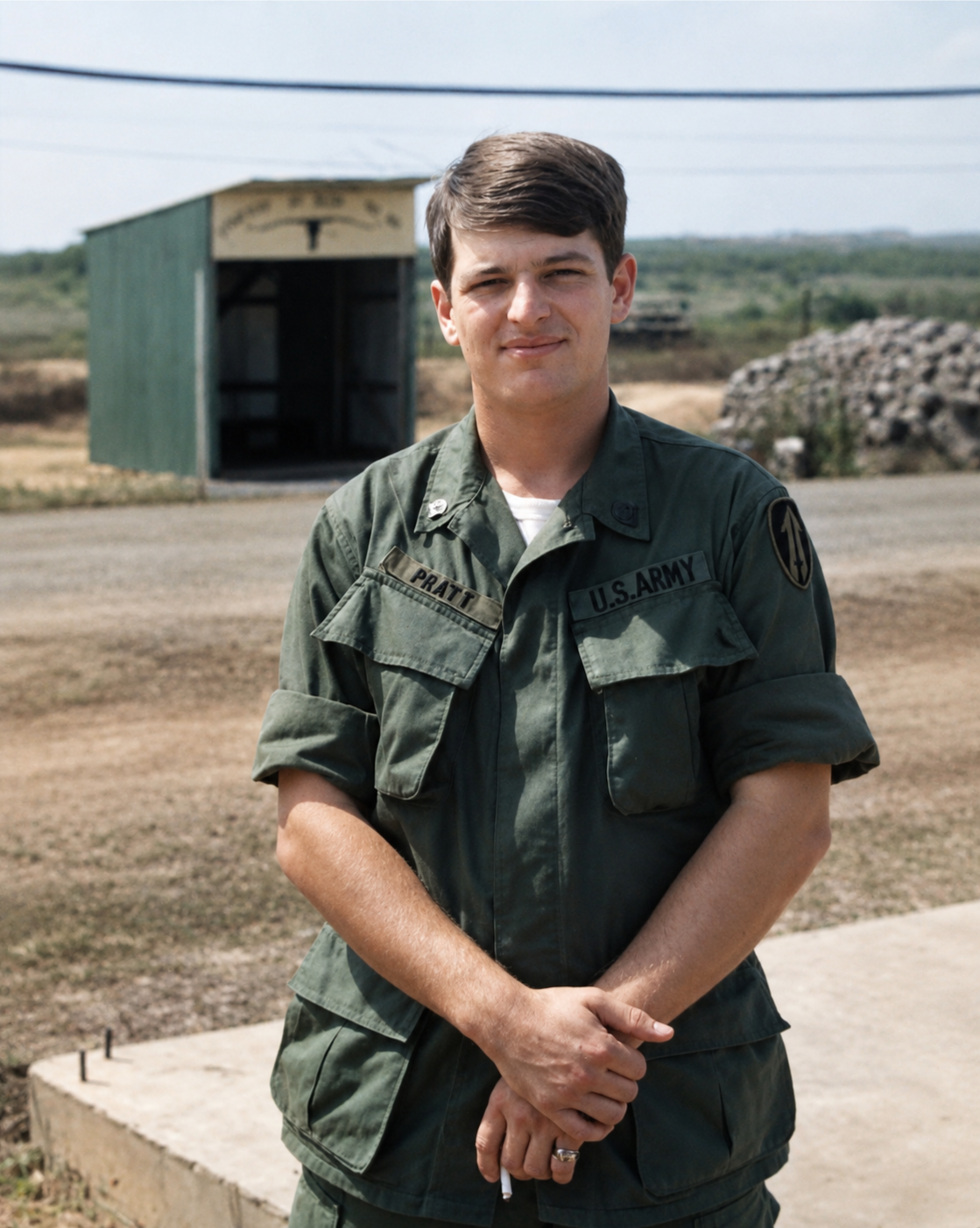
303d ASA Battalion • U.S. Army

82nd Division (Airborne) • U.S. Army • 2015
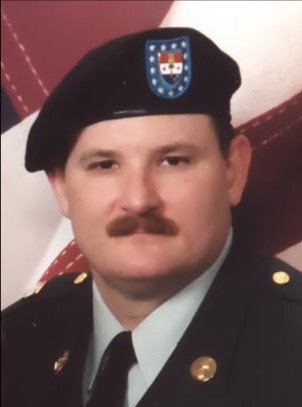
A Company 1-110th Infantry 28th Division • U.S. Army • 1991

Retired • U.S. Army • 2013