
Opening branch overview
Building the branch home surface
Loading branch highlights, featured unit context, and gallery moments.
Overview
Members
Units
Building the branch home surface
Loading branch highlights, featured unit context, and gallery moments.
Building the branch units surface
Loading unit filters, rankings, and the branch unit grid.

4 members•1 unit
Relive and share the memories of your service-time with your brothers and sisters in arms today. VetFriends.com can help you reconnect.
Did you proudly serve in the Camp Hovie, Korea - 1:5?
Are you looking for someone who is or was in the Camp Hovie, Korea - 1:5?
Do you have Camp Hovie, Korea - 1:5 photos you'd like to share?
Then join a community with your brothers and sisters of the Camp Hovie, Korea - 1:5.
Branch
U.S. Army
Members
4
**Camp Hovey, Korea – 1st Battalion, 5th Infantry Regiment (1/5):** Camp Hovey, located near the Demilitarized Zone (DMZ) in South Korea, has served as a key installation for U.S. Army forces on the peninsula. The 1st Battalion, 5th Infantry Regiment—nicknamed “Bobcats”—was stationed at Camp Hovey as part of the 2nd Infantry Division. Throughout its deployment, 1/5 Infantry played a vital role in maintaining readiness and deterrence against potential aggression from North Korea, participating in joint training exercises with South Korean forces. The unit’s presence at Camp Hovey reinforced the longstanding alliance between the United States and South Korea, contributing to regional stability until the battalion’s inactivation and subsequent redeployments in the 2000s.

U.S. Army
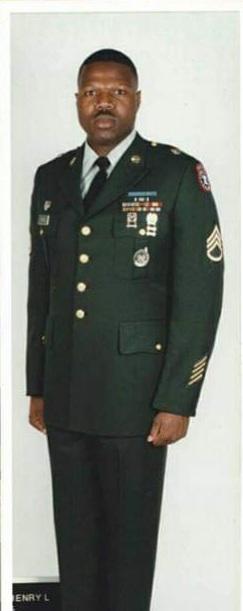
U.S. Army