
Opening branch overview
Building the branch home surface
Loading branch highlights, featured unit context, and gallery moments.
Overview
Members
Units
Building the branch home surface
Loading branch highlights, featured unit context, and gallery moments.
Building the branch units surface
Loading unit filters, rankings, and the branch unit grid.

U.S. Army•1 members
Relive and share the memories of your service-time with your brothers and sisters in arms today. VetFriends.com can help you reconnect.
Did you proudly serve in the Camp Hialeh?
Are you looking for someone who is or was in the Camp Hialeh?
Do you have Camp Hialeh photos you'd like to share?
Then join a community with your brothers and sisters of the Camp Hialeh.
Camp Hialeah was a United States military installation located in Busan, South Korea. Originally established by the Imperial Japanese Army in the 1920s, it was taken over by U.S. forces following World War II. During the Korean War, Camp Hialeah served as a crucial logistics and support hub, facilitating the movement of personnel and materiel for United Nations Command operations. The camp remained active as a U.S. Army base until its closure and return to the South Korean government in 2006, after which the site was repurposed for civilian use.
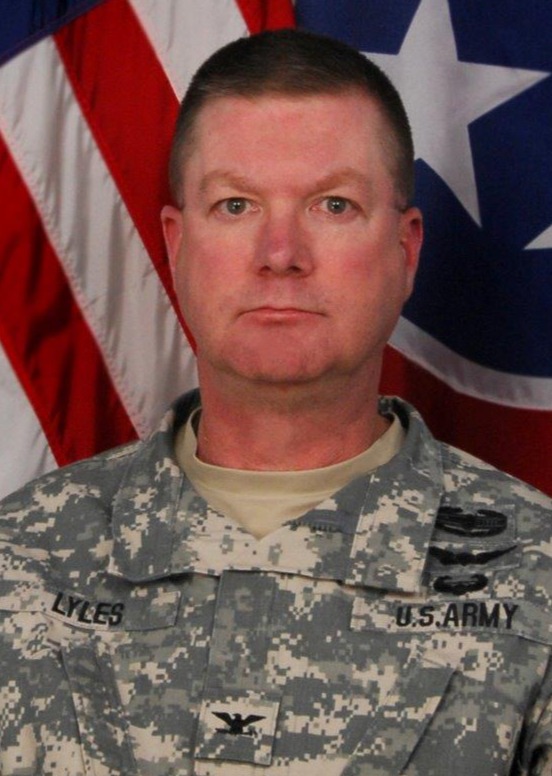
JFHQ • U.S. Army • 2015
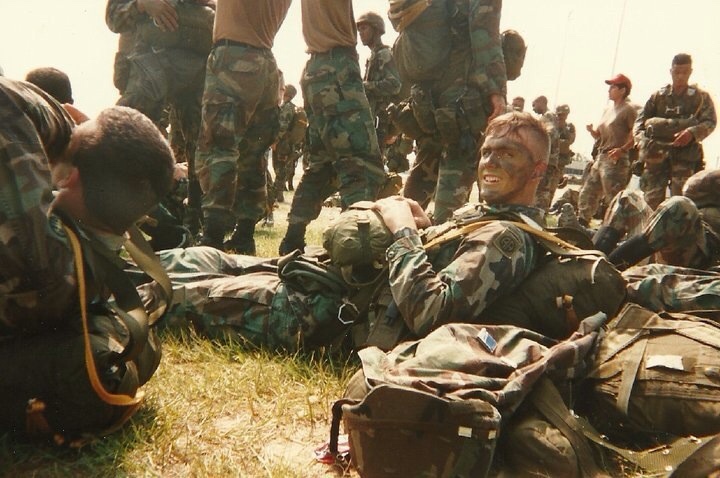
U.S. Army
U.S. Army
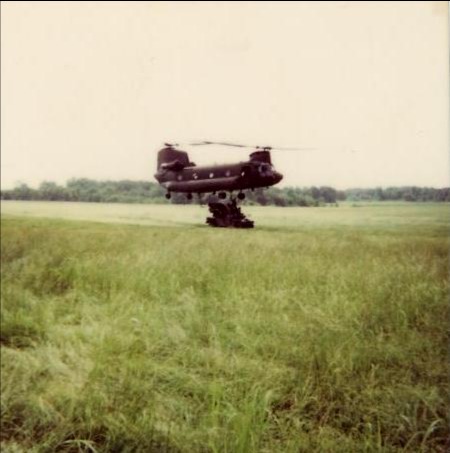
2-44 ADA FT CAMPBELL KY • U.S. Army • 1999