
Opening branch overview
Building the branch home surface
Loading branch highlights, featured unit context, and gallery moments.
Overview
Members
Units
Building the branch home surface
Loading branch highlights, featured unit context, and gallery moments.
Building the branch units surface
Loading unit filters, rankings, and the branch unit grid.

1 members•1 unit
Relive and share the memories of your service-time with your brothers and sisters in arms today. VetFriends.com can help you reconnect.
Did you proudly serve in the Calibration Agency?
Are you looking for someone who is or was in the Calibration Agency?
Do you have Calibration Agency photos you'd like to share?
Then join a community with your brothers and sisters of the Calibration Agency.
Branch
U.S. Army
Members
1
The Calibration Agency is a specialized military unit responsible for ensuring the accuracy and reliability of measurement and test equipment used throughout the armed forces. Established in the mid-20th century, the agency played a crucial role during major conflicts by maintaining precision in artillery, aviation, and communications systems. Its expertise has supported technological advancements and operational readiness across all service branches. Over the years, the Calibration Agency has evolved with emerging technologies, continuing to uphold stringent standards and enhance mission success.

JFHQ • U.S. Army • 2015
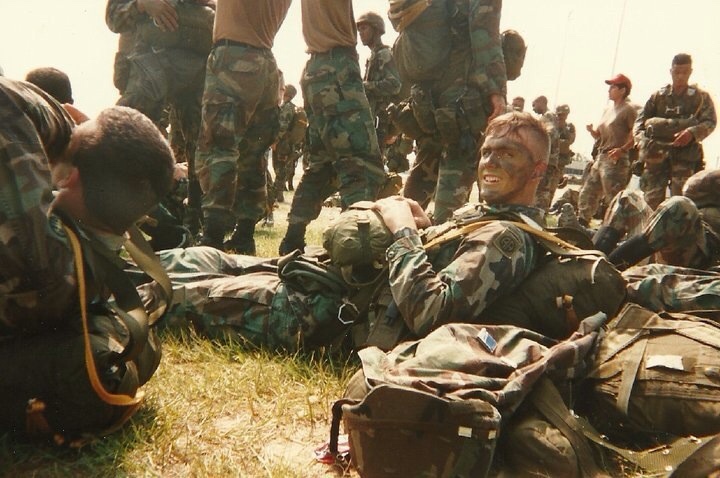
U.S. Army

U.S. Army
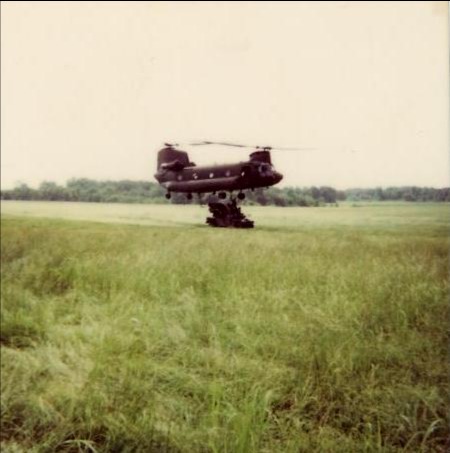
2-44 ADA FT CAMPBELL KY • U.S. Army • 1999