
Opening branch overview
Building the branch home surface
Loading branch highlights, featured unit context, and gallery moments.
Overview
Members
Units
Building the branch home surface
Loading branch highlights, featured unit context, and gallery moments.
Building the branch units surface
Loading unit filters, rankings, and the branch unit grid.

1 members•1 unit
Relive and share the memories of your service-time with your brothers and sisters in arms today. VetFriends.com can help you reconnect.
Did you proudly serve in the C btry 52 party 6th mal bat?
Are you looking for someone who is or was in the C btry 52 party 6th mal bat?
Do you have C btry 52 party 6th mal bat photos you'd like to share?
Then join a community with your brothers and sisters of the C btry 52 party 6th mal bat.
Branch
U.S. Army
Members
1
Certainly! Here is a short military history for the unit "C Battery, 52nd Party, 6th Malaya Battery": C Battery, 52nd Party, 6th Malaya Battery was a sub-unit of the British Royal Artillery, formed during World War II to bolster the defenses of British Malaya and Singapore. Drawn from experienced gunners and local recruits, the battery was tasked with coastal defense and anti-aircraft operations amidst the rising threat of Japanese invasion. The unit saw action during the Malayan Campaign of 1941-1942, valiantly resisting advancing enemy forces despite shortages of supplies and overwhelming odds. Following the fall of Singapore in February 1942, many members of the battery were taken as prisoners of war, enduring harsh conditions for the remainder of the conflict.

U.S. Army
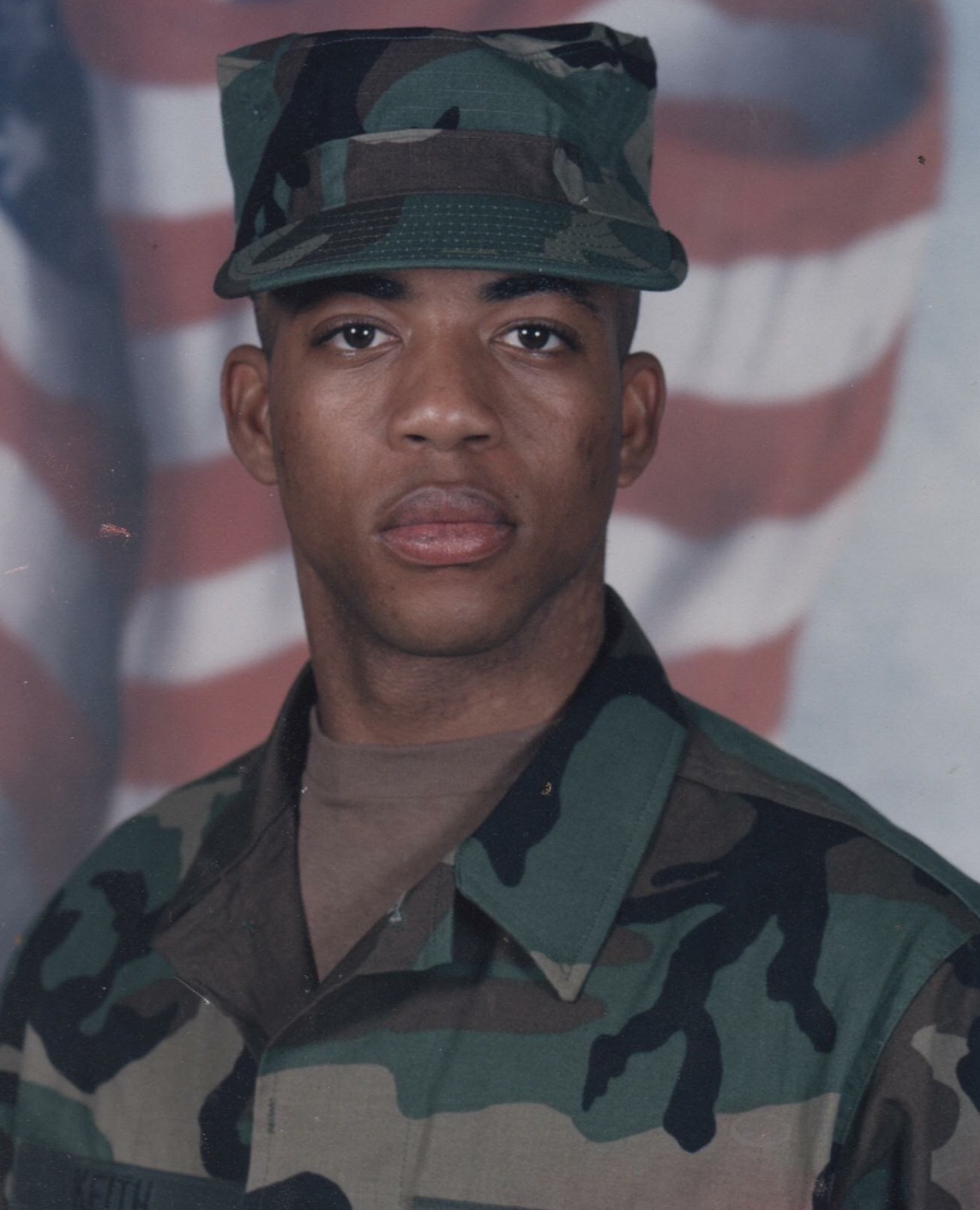
C-210 Inf. • U.S. Army • 2004

U.S. Army

31st division • U.S. Army • 1950