
Opening branch overview
Building the branch home surface
Loading branch highlights, featured unit context, and gallery moments.
Overview
Members
Units
Building the branch home surface
Loading branch highlights, featured unit context, and gallery moments.
Building the branch units surface
Loading unit filters, rankings, and the branch unit grid.

37 members•1 unit
Relive and share the memories of your service-time with your brothers and sisters in arms today. VetFriends.com can help you reconnect.
Did you proudly serve in the Btry A 1st FA Bn 120 Arty?
Are you looking for someone who is or was in the Btry A 1st FA Bn 120 Arty?
Do you have Btry A 1st FA Bn 120 Arty photos you'd like to share?
Then join a community with your brothers and sisters of the Btry A 1st FA Bn 120 Arty.
Branch
U.S. Army
Members
37
Battery A, 1st Field Artillery Battalion, 120th Artillery (Btry A, 1st FA Bn, 120 Arty) traces its lineage to the National Guard units of North Carolina. The battalion was federally recognized during the post-World War II period and was an integral component of the 30th Infantry Division. Throughout the Cold War era, Battery A participated in numerous training exercises and provided artillery support during state and federal mobilizations. The unit’s legacy reflects a tradition of readiness and service both at home and abroad, upholding the proud heritage of the 120th Artillery.
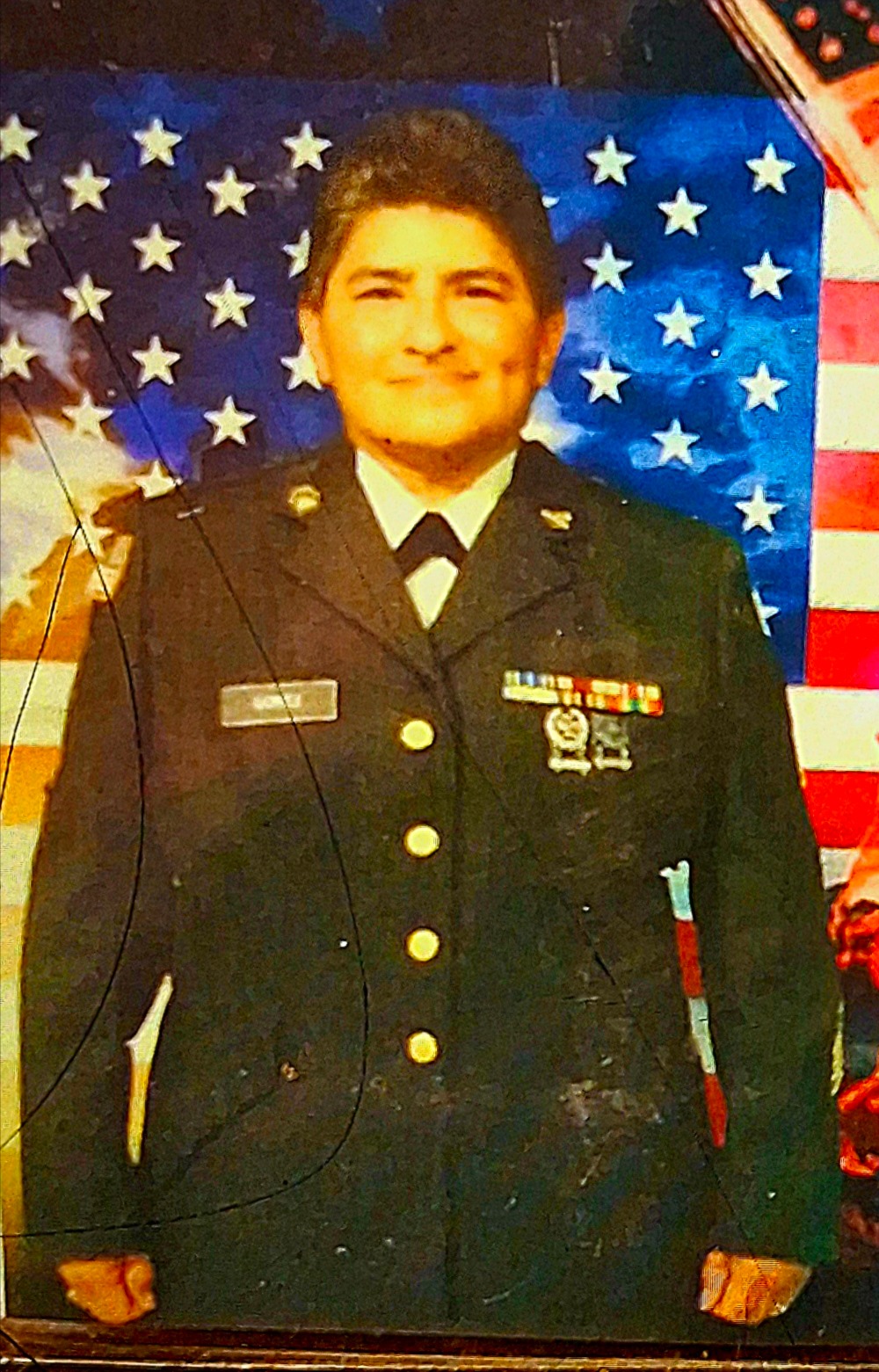
1st BN /65th ADA Co. • U.S. Army • 1980
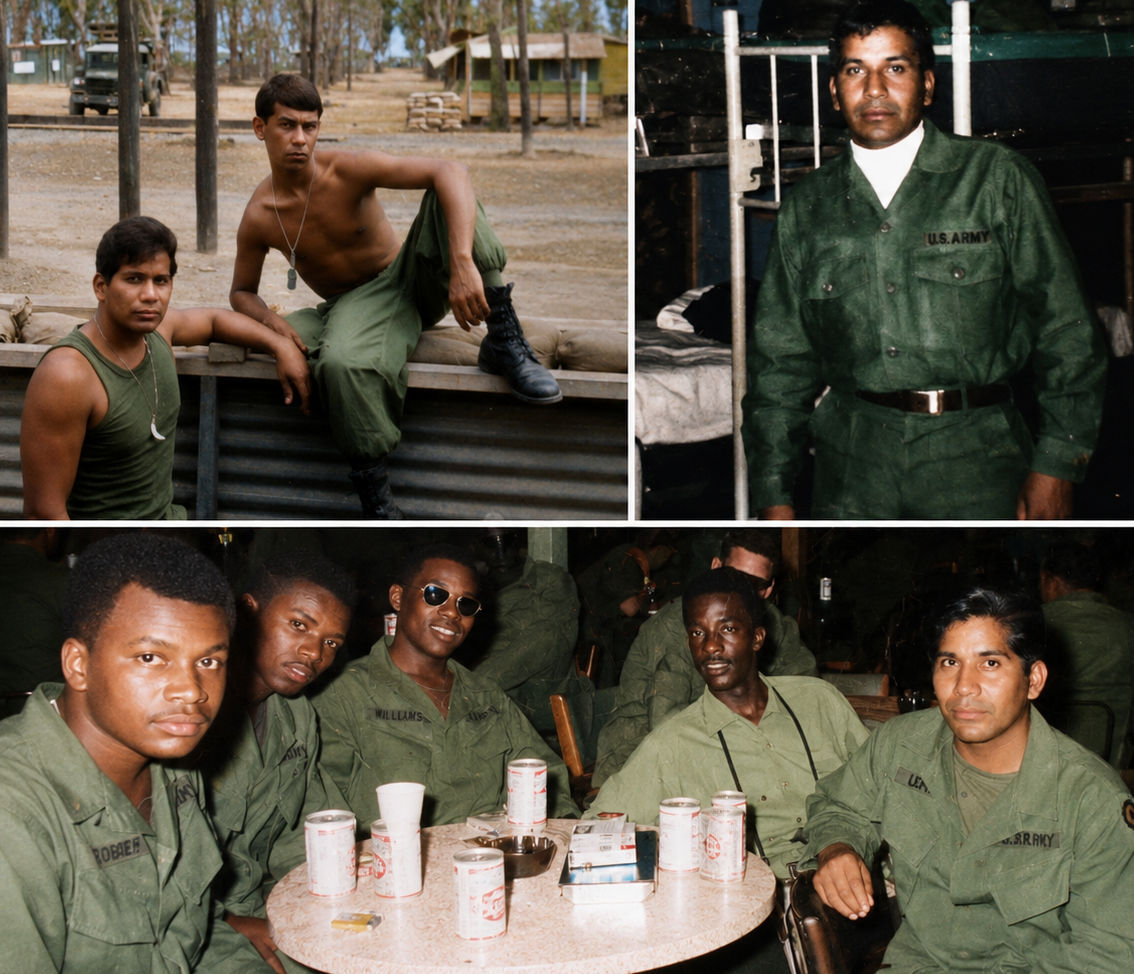
U.S. Army
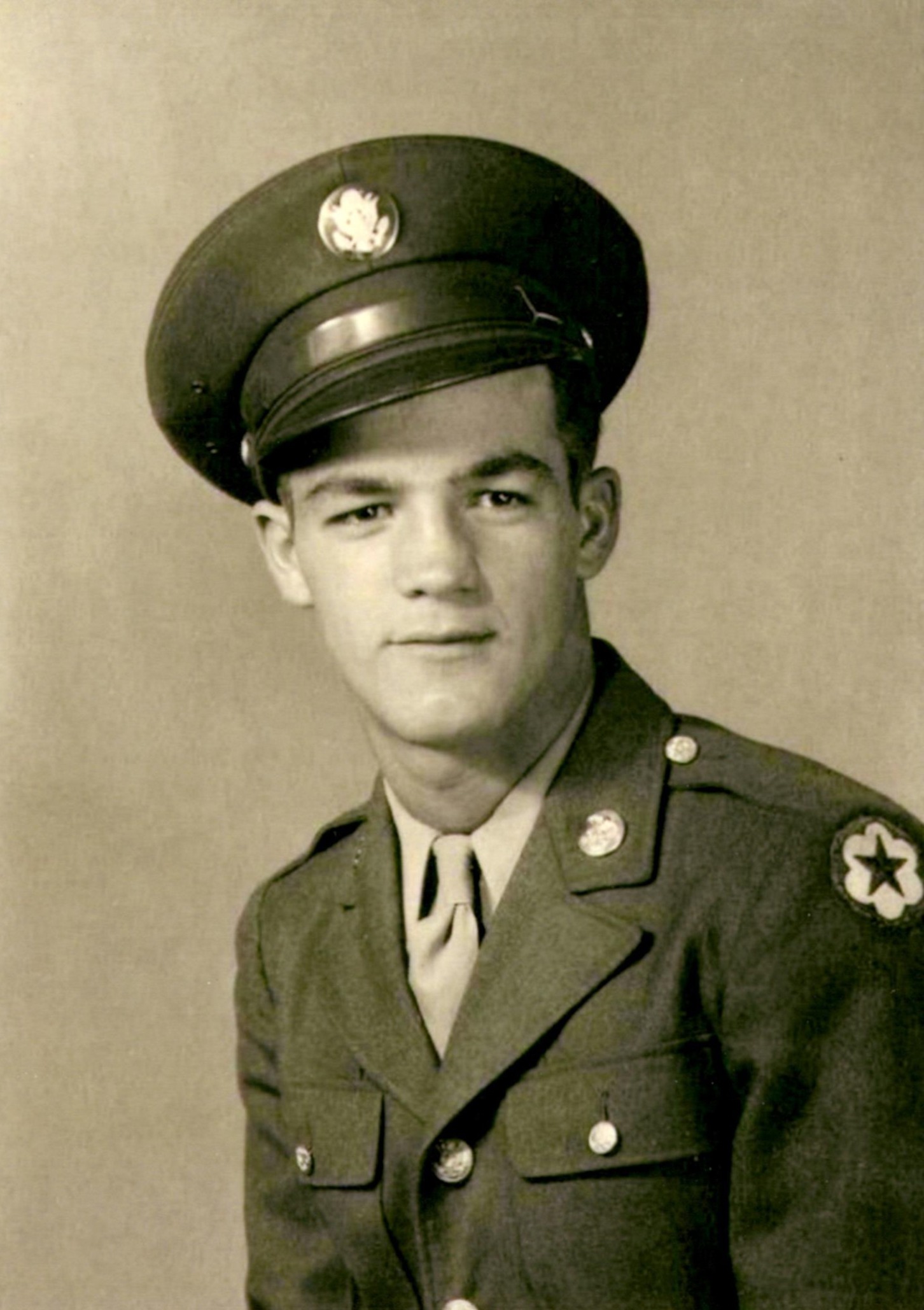
CBI • U.S. Army
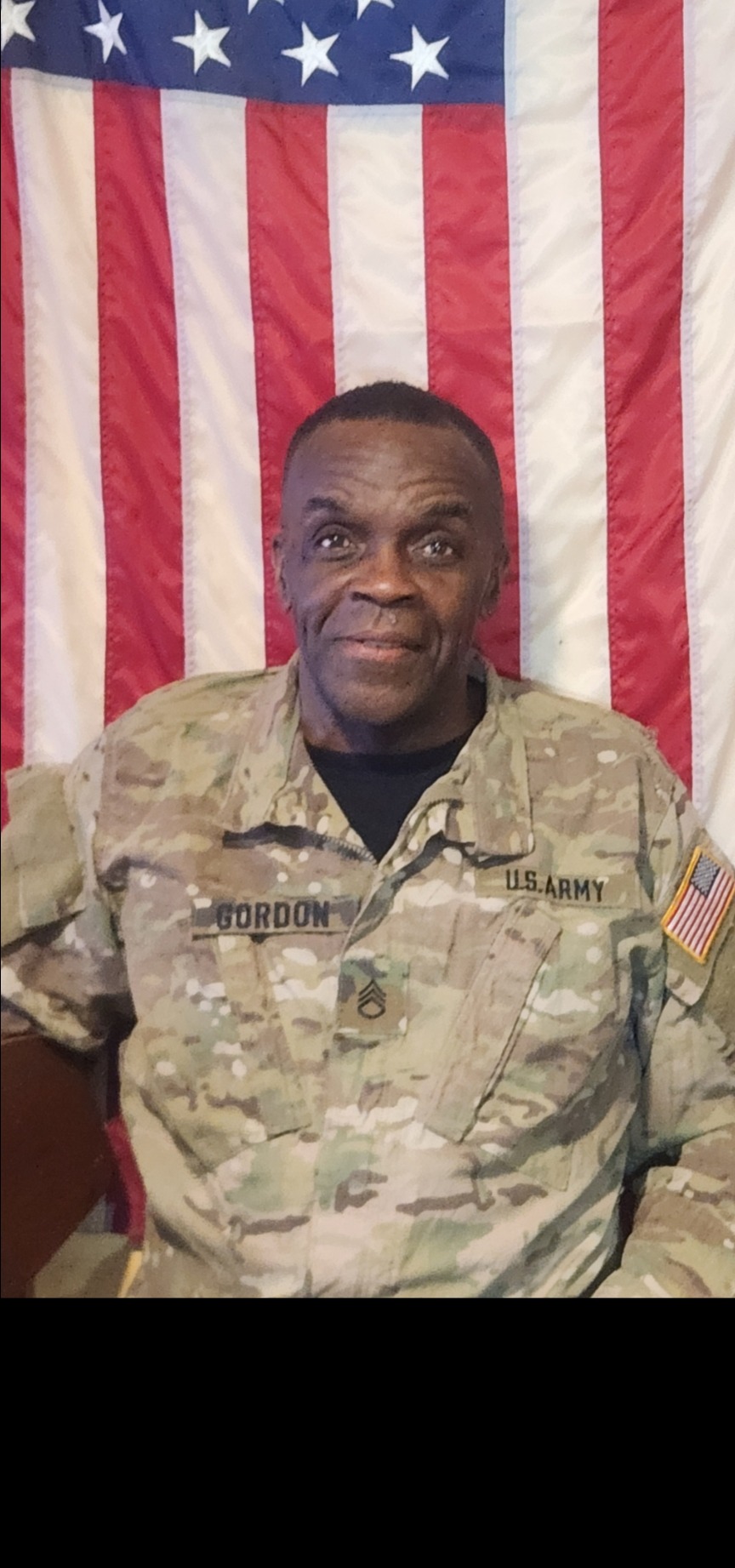
3 Infantry Signal • U.S. Army • 1980