
Opening branch overview
Building the branch home surface
Loading branch highlights, featured unit context, and gallery moments.
Overview
Members
Units
Building the branch home surface
Loading branch highlights, featured unit context, and gallery moments.
Building the branch units surface
Loading unit filters, rankings, and the branch unit grid.

37 members•1 unit
Relive and share the memories of your service-time with your brothers and sisters in arms today. VetFriends.com can help you reconnect.
Did you proudly serve in the Army recruitment and career counselor?
Are you looking for someone who is or was in the Army recruitment and career counselor?
Do you have Army recruitment and career counselor photos you'd like to share?
Then join a community with your brothers and sisters of the Army recruitment and career counselor.
Branch
U.S. Army
Members
37
The Army Recruitment and Career Counselor unit traces its origins to the early 20th century, when the U.S. Army established organized recruitment offices to meet the demands of expanding forces during major conflicts. Over time, the role evolved from simple enlistment to comprehensive career guidance, ensuring soldiers were matched with roles best suited to their skills and aspirations. During the all-volunteer era post-1973, career counselors became vital in both attracting qualified candidates and retaining experienced personnel. Today, these professionals are integral to Army readiness, supporting both new recruits and seasoned soldiers in achieving their career goals within the military.
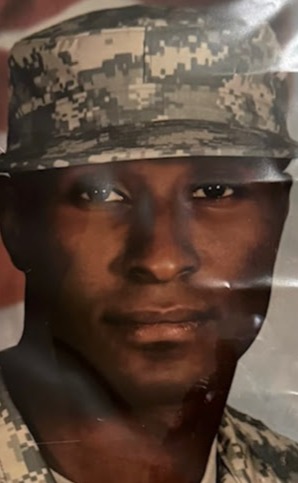
C/84th • U.S. Army
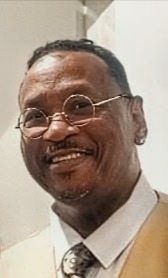
U.S. Army
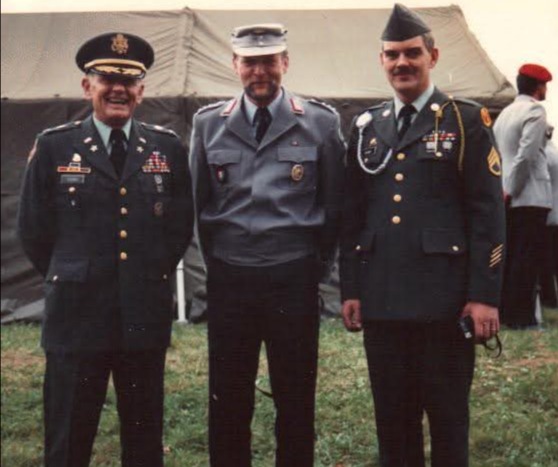
3/37th FA • U.S. Army

103rd MI Bn 3rd Infantry Division • U.S. Army • 1986