
Opening branch overview
Building the branch home surface
Loading branch highlights, featured unit context, and gallery moments.
Overview
Members
Units
Building the branch home surface
Loading branch highlights, featured unit context, and gallery moments.
Building the branch units surface
Loading unit filters, rankings, and the branch unit grid.

U.S. Army•7 members
Relive and share the memories of your service-time with your brothers and sisters in arms today. VetFriends.com can help you reconnect.
Did you proudly serve in the Army Recruiting?
Are you looking for someone who is or was in the Army Recruiting?
Do you have Army Recruiting photos you'd like to share?
Then join a community with your brothers and sisters of the Army Recruiting.
**Army Recruiting** has served as a vital component of military readiness since its formal establishment in the early 20th century. Tasked with attracting, enlisting, and processing qualified volunteers, Army Recruiting has adapted to changing social, technological, and geopolitical landscapes. During major conflicts such as World War II, the Korean War, and the Global War on Terrorism, recruiters played a crucial role in sustaining the Army’s manpower. Today, Army Recruiting employs targeted outreach, digital platforms, and community engagement to maintain a highly capable and diverse force.
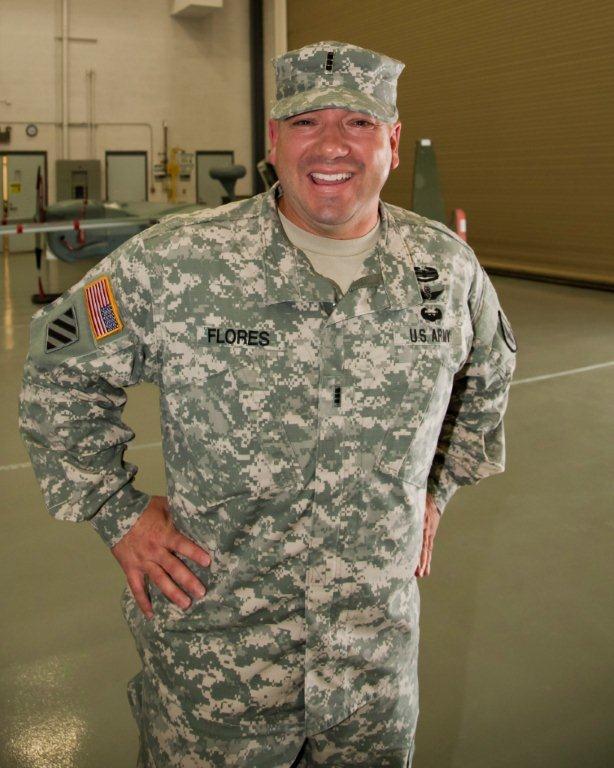
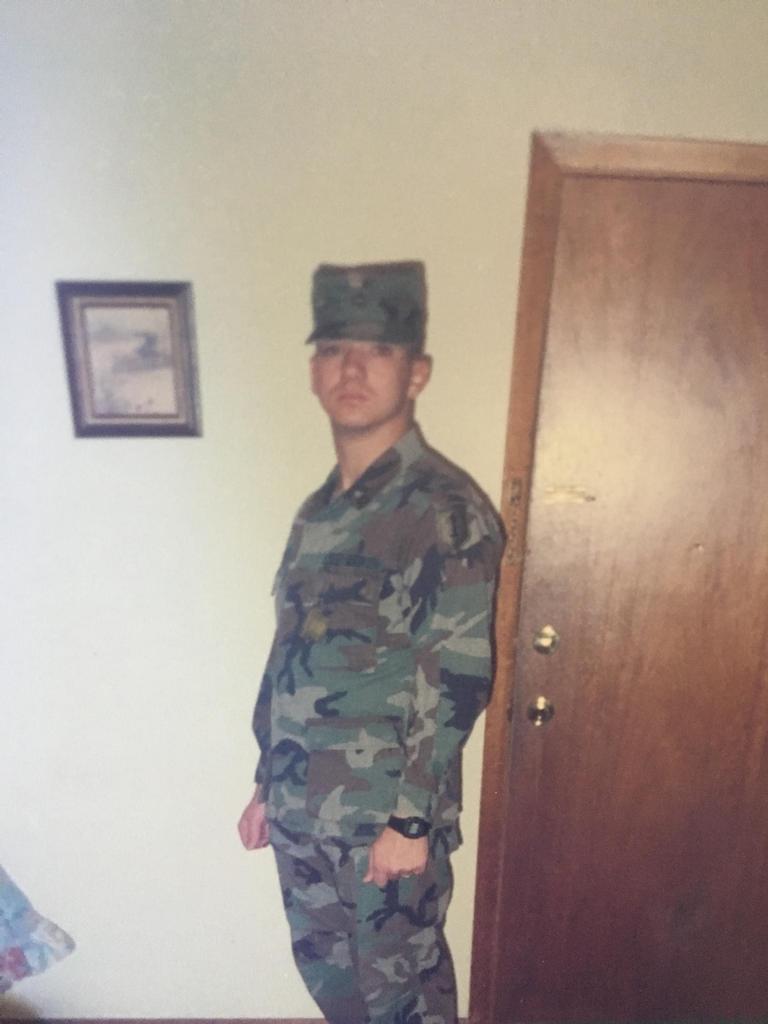
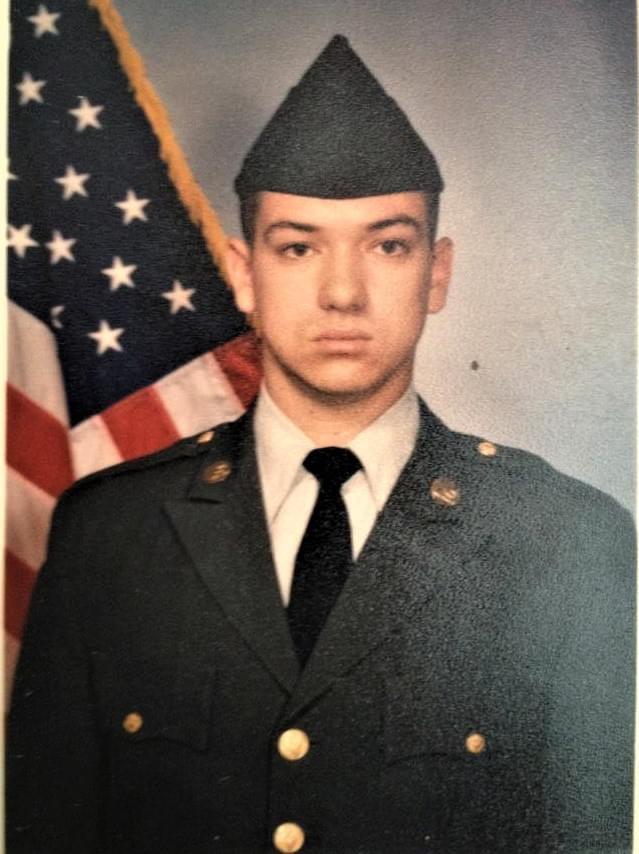
U.S. Army
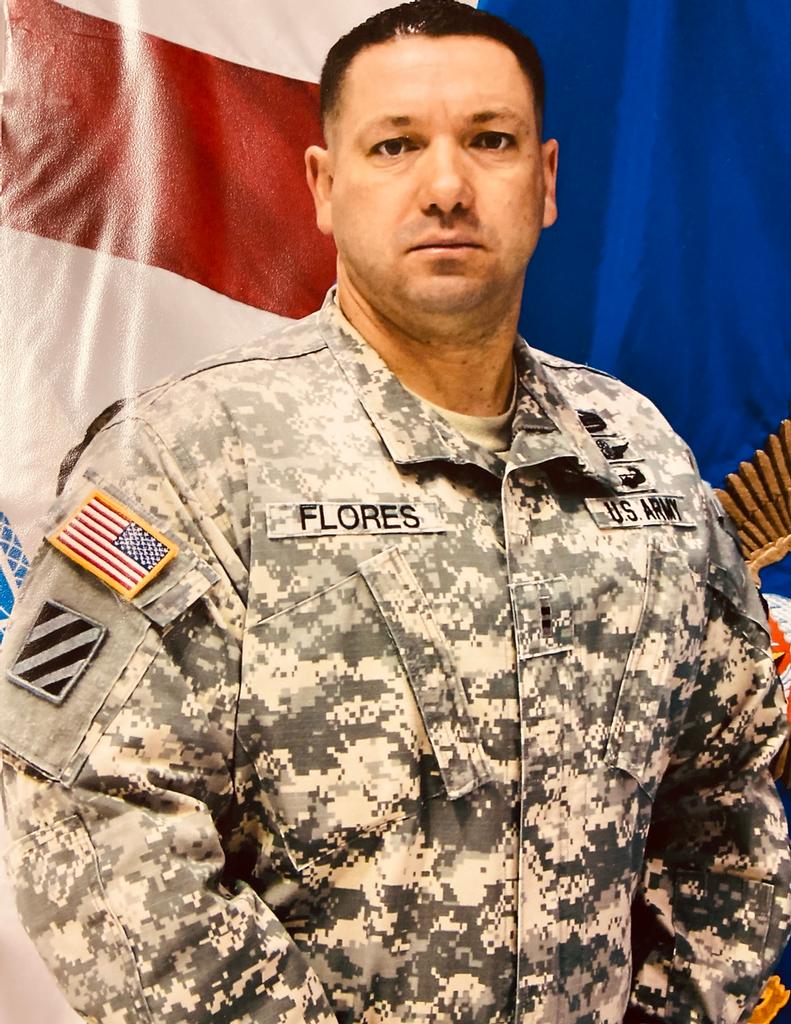
U.S. Army