
Opening branch overview
Building the branch home surface
Loading branch highlights, featured unit context, and gallery moments.
Overview
Members
Units
Building the branch home surface
Loading branch highlights, featured unit context, and gallery moments.
Building the branch units surface
Loading unit filters, rankings, and the branch unit grid.

U.S. Army•1 members
Relive and share the memories of your service-time with your brothers and sisters in arms today. VetFriends.com can help you reconnect.
Did you proudly serve in the ARMY HOSP. SANDIA BASE, NEW MEX.?
Are you looking for someone who is or was in the ARMY HOSP. SANDIA BASE, NEW MEX.?
Do you have ARMY HOSP. SANDIA BASE, NEW MEX. photos you'd like to share?
Then join a community with your brothers and sisters of the ARMY HOSP. SANDIA BASE, NEW MEX..
The Army Hospital at Sandia Base, New Mexico, was established during World War II to support the growing military presence associated with the Manhattan Project and the broader activities of Sandia Base. The hospital provided essential medical care to military personnel, civilians, and scientists involved in nuclear weapons development and testing. Throughout its operational years, the facility played a crucial role in ensuring the health and readiness of those assigned to this highly sensitive and strategic base. After the Cold War era, as Sandia Base's mission evolved and military needs shifted, the hospital's operations were eventually scaled down and integrated into broader defense health programs.
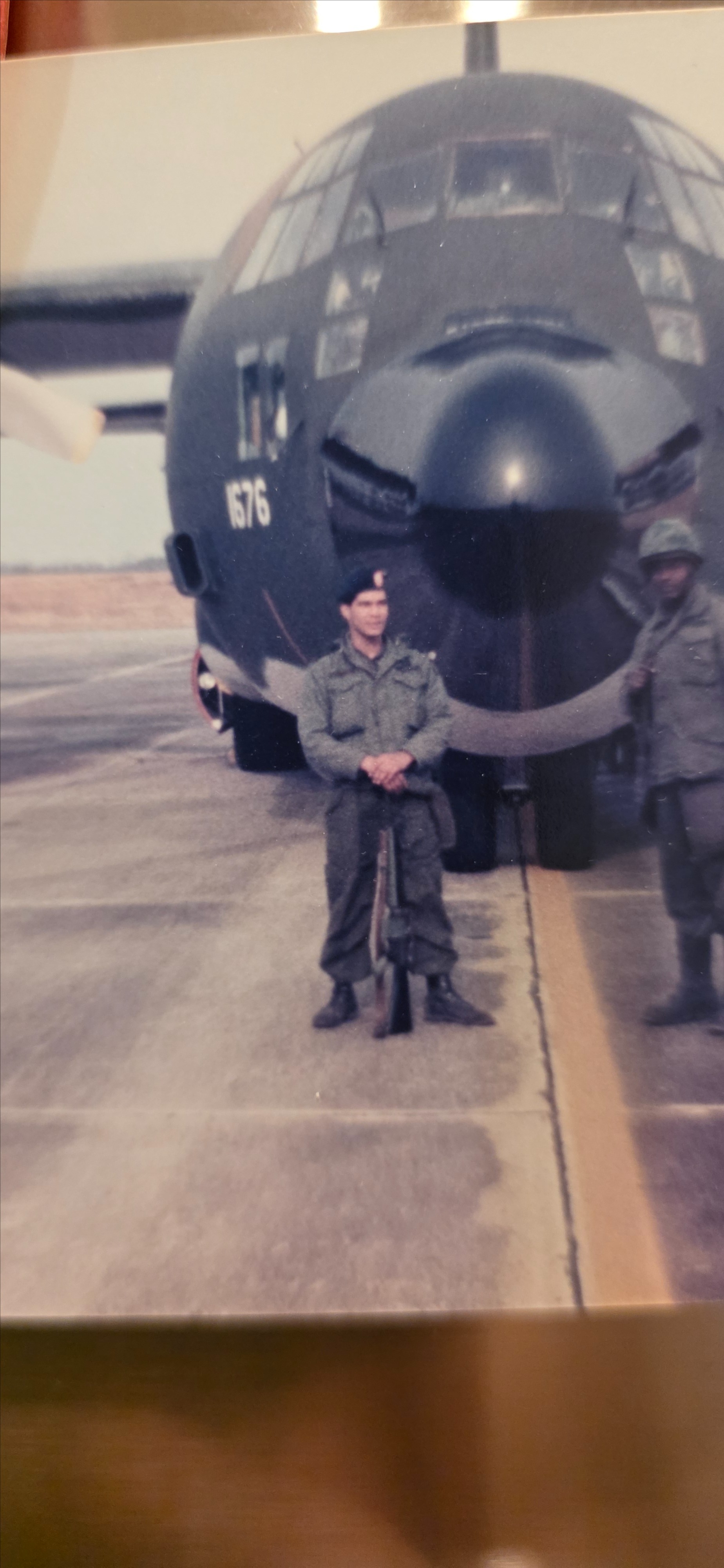
U.S. Army
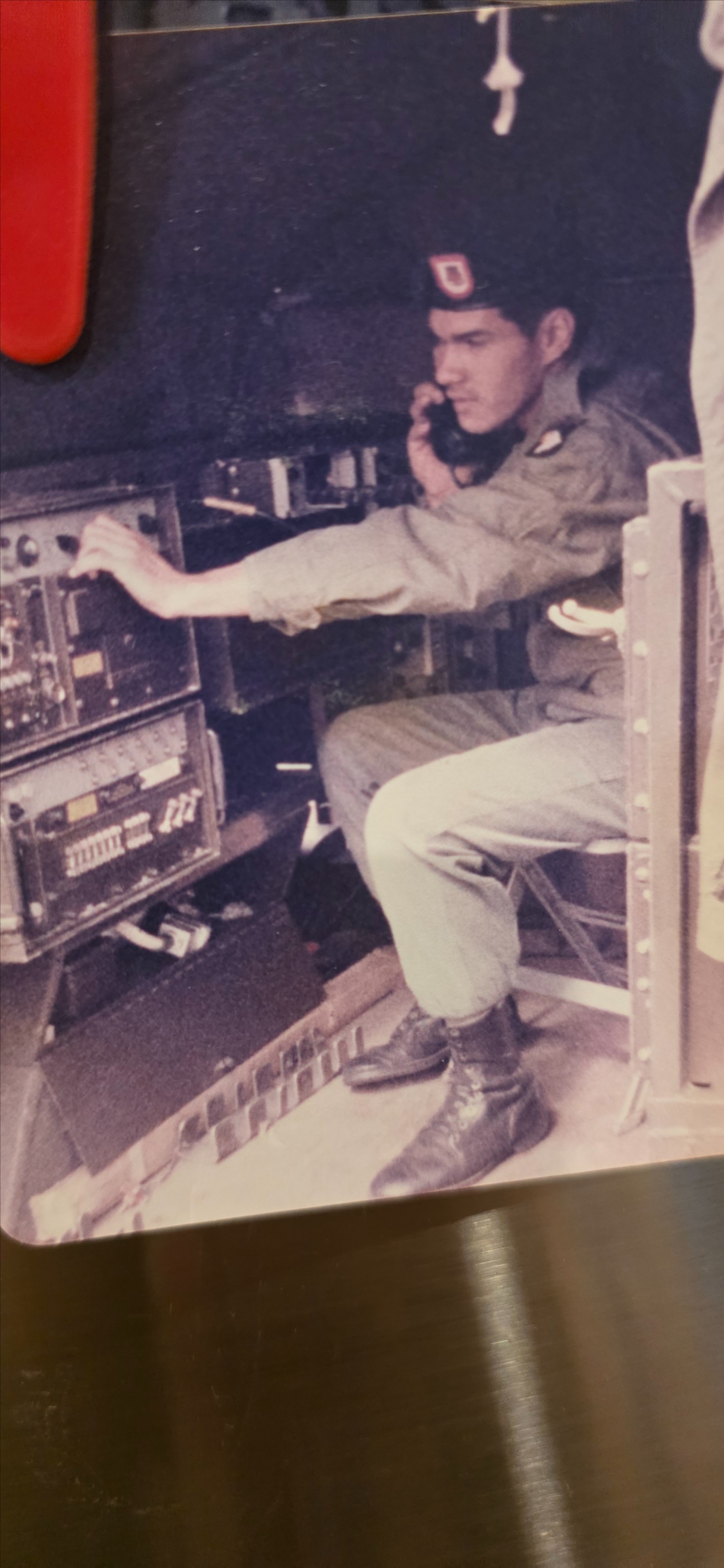
U.S. Army
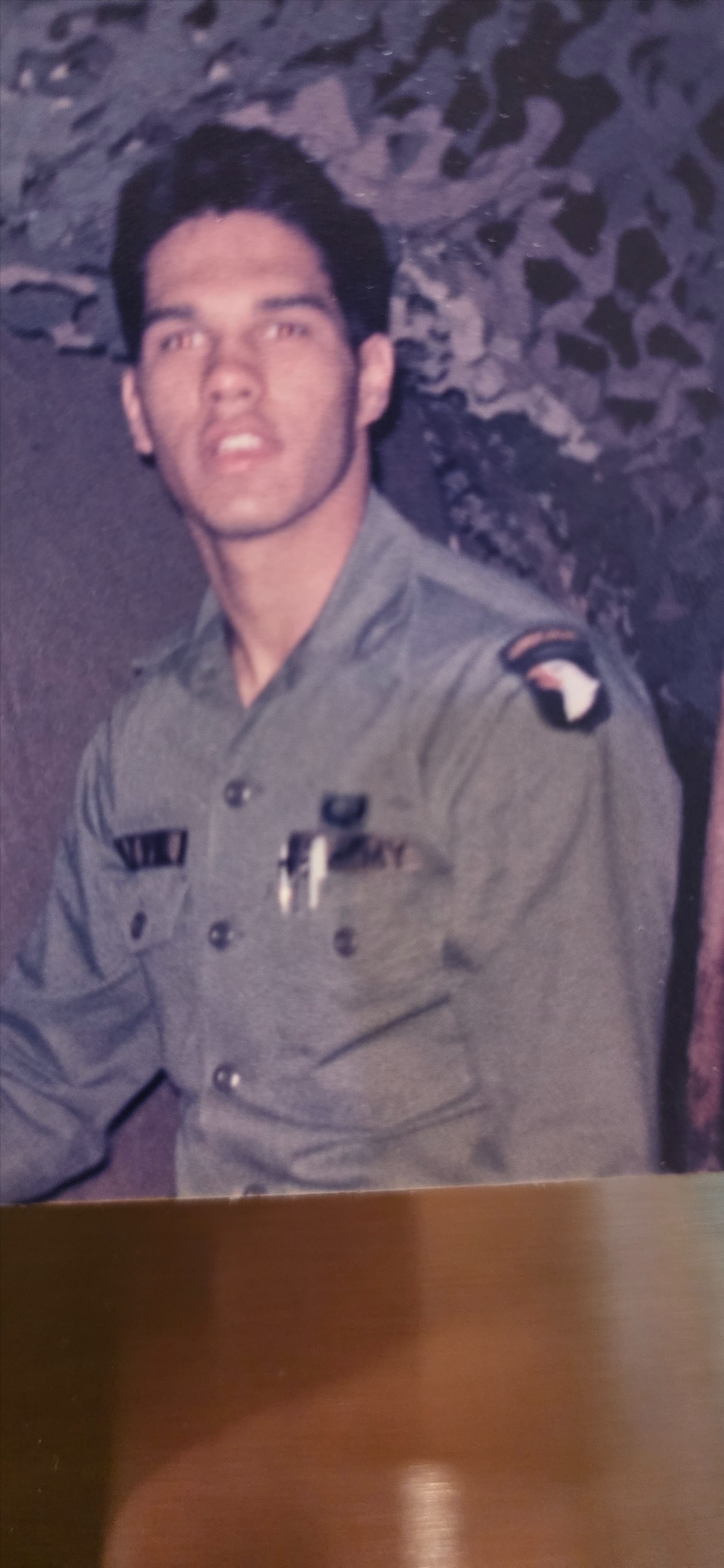
U.S. Army
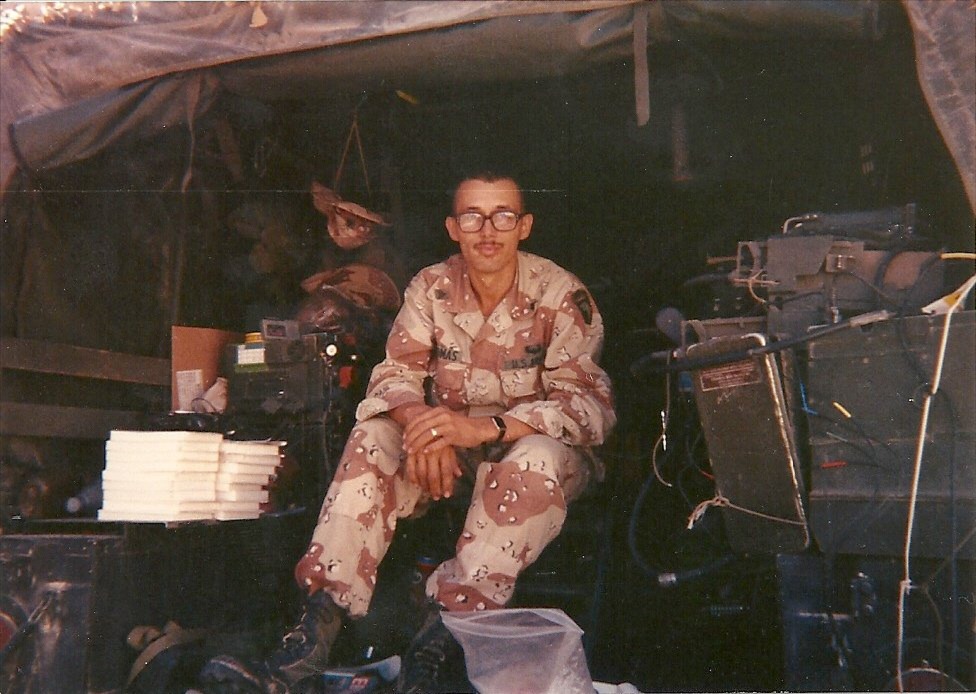
101st Airborne • U.S. Army • 1990