
Opening branch overview
Building the branch home surface
Loading branch highlights, featured unit context, and gallery moments.
Overview
Members
Units
Building the branch home surface
Loading branch highlights, featured unit context, and gallery moments.
Building the branch units surface
Loading unit filters, rankings, and the branch unit grid.

6 members•1 unit
Relive and share the memories of your service-time with your brothers and sisters in arms today. VetFriends.com can help you reconnect.
Did you proudly serve in the Army Concept Team Vietnam (ACTIV)?
Are you looking for someone who is or was in the Army Concept Team Vietnam (ACTIV)?
Do you have Army Concept Team Vietnam (ACTIV) photos you'd like to share?
Then join a community with your brothers and sisters of the Army Concept Team Vietnam (ACTIV).
Branch
U.S. Army
Members
6
The Army Concept Team in Vietnam (ACTIV) was established in 1965 as a special U.S. Army unit tasked with evaluating new equipment, tactics, and operational concepts under actual combat conditions during the Vietnam War. ACTIV’s mission was to provide rapid feedback on the effectiveness of innovations, from weapons systems to logistical practices, to inform Army development and procurement decisions. The team coordinated closely with field units across Vietnam, conducting on-the-ground testing and assessments in the challenging environment. ACTIV’s efforts significantly influenced Army doctrine, leading to improvements in gear, mobility, and combat operations throughout the conflict.
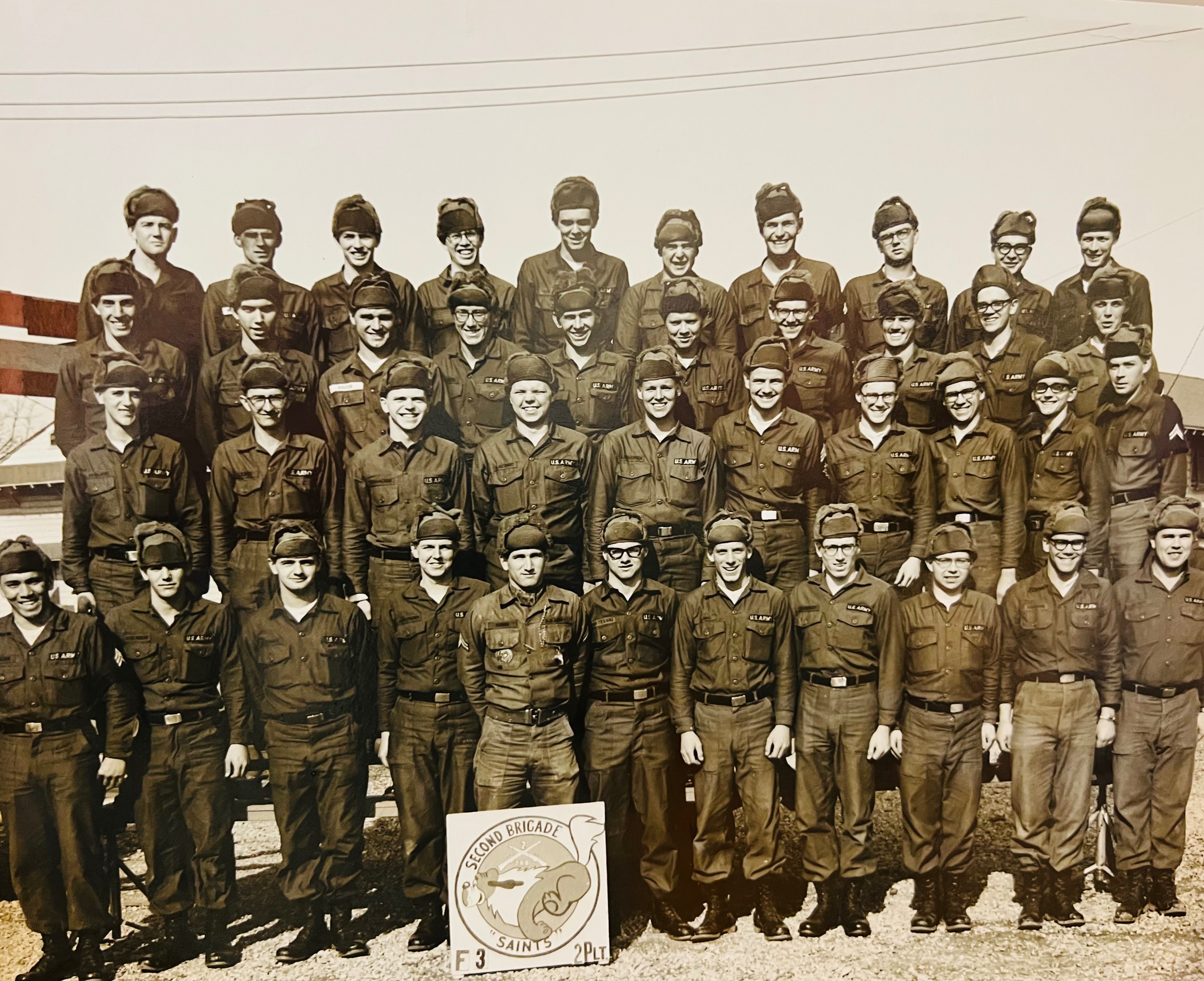
ARMY BASIC- FT. LEONARD WOOD, MO • U.S. Army • 1967
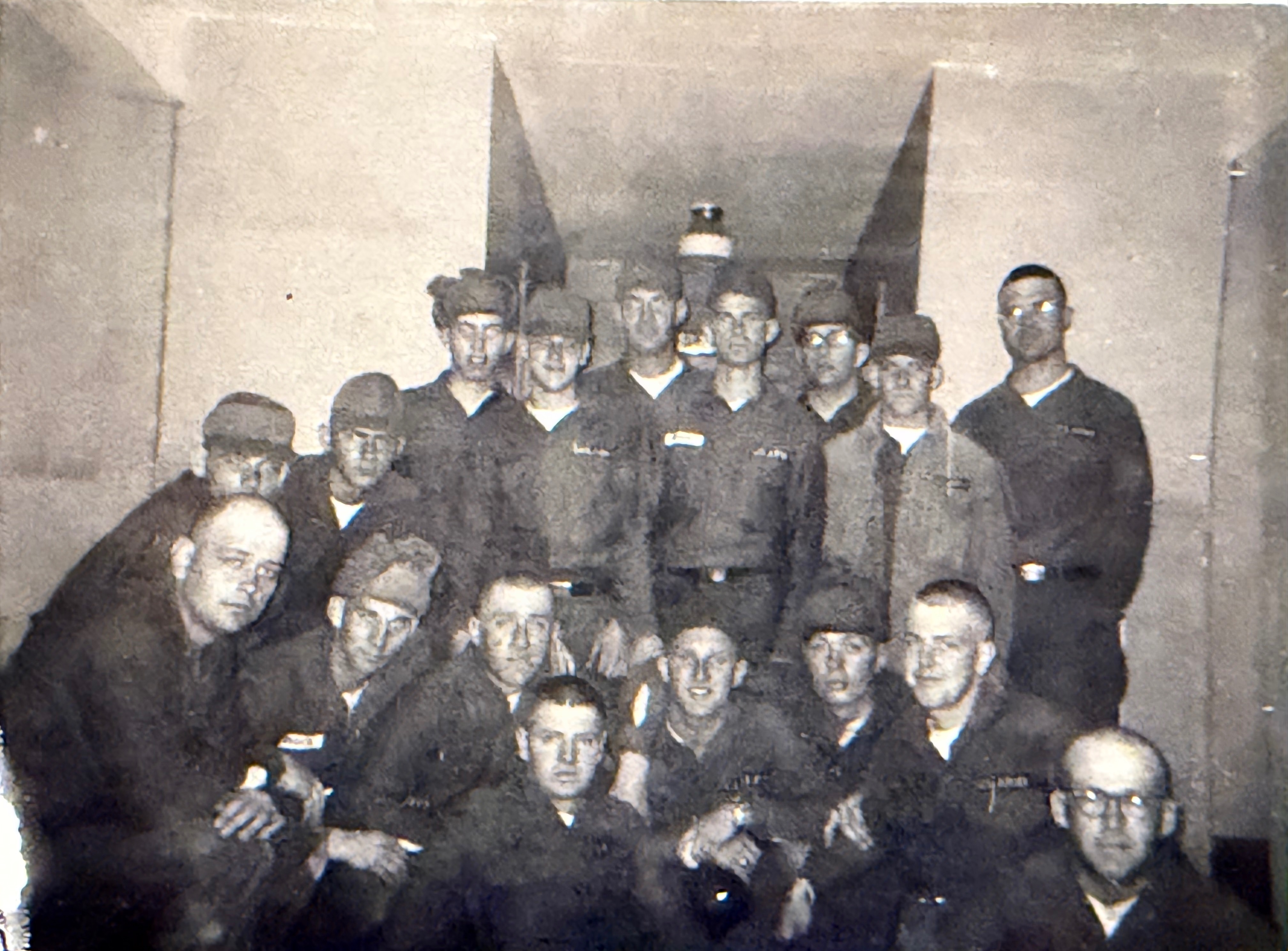
ARMY BASIC- FT. LEONARD WOOD, MO • U.S. Army • 1967
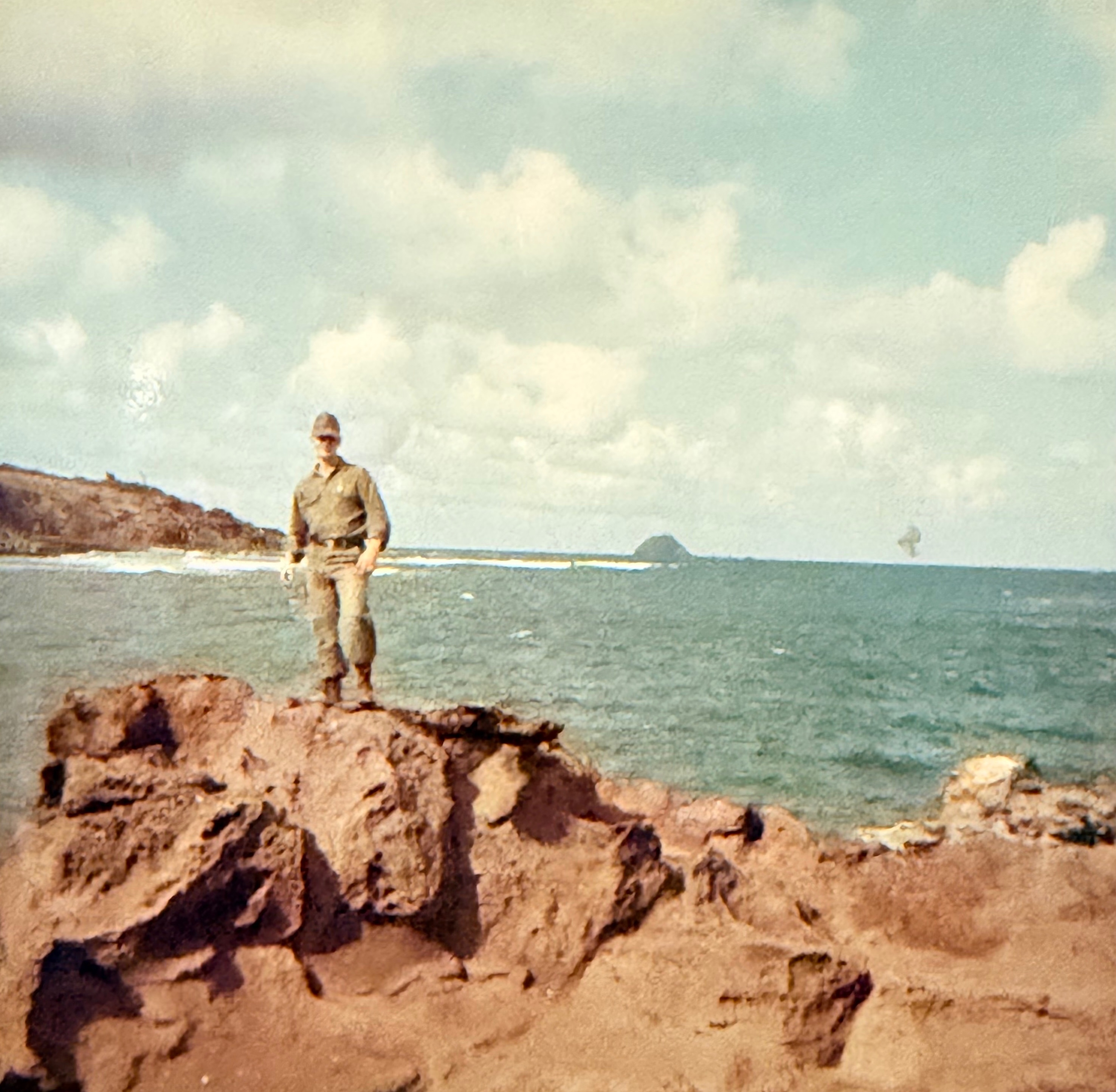
11th Light Infantry Brigade • U.S. Army • 1967
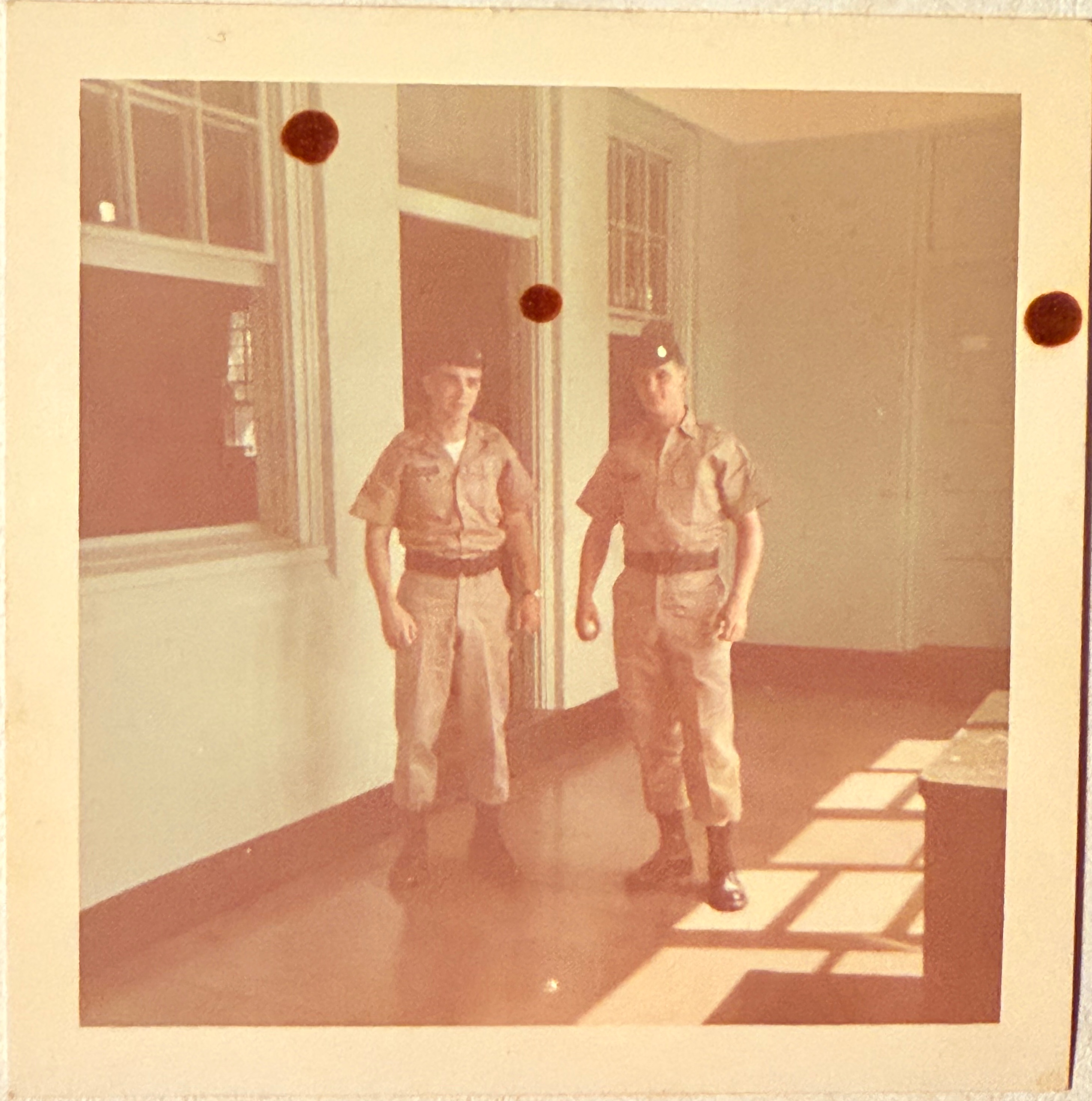
11th Light Infantry Brigade • U.S. Army • 1967