
Opening branch overview
Building the branch home surface
Loading branch highlights, featured unit context, and gallery moments.
Overview
Members
Units
Building the branch home surface
Loading branch highlights, featured unit context, and gallery moments.
Building the branch units surface
Loading unit filters, rankings, and the branch unit grid.

3 members•1 unit
Relive and share the memories of your service-time with your brothers and sisters in arms today. VetFriends.com can help you reconnect.
Did you proudly serve in the armored corps?
Are you looking for someone who is or was in the armored corps?
Do you have armored corps photos you'd like to share?
Then join a community with your brothers and sisters of the armored corps.
Branch
U.S. Army
Members
3
The Armored Corps is a branch of the military specializing in the use of armored fighting vehicles, primarily tanks and armored personnel carriers. Its origins date back to World War I, when tanks were first introduced to break the stalemate of trench warfare. The Armored Corps rose to prominence during World War II, playing a decisive role in major battles through rapid, coordinated assaults known as blitzkrieg. Today, the Armored Corps remains a key component of modern armies, providing mobility, protection, and firepower on the battlefield.
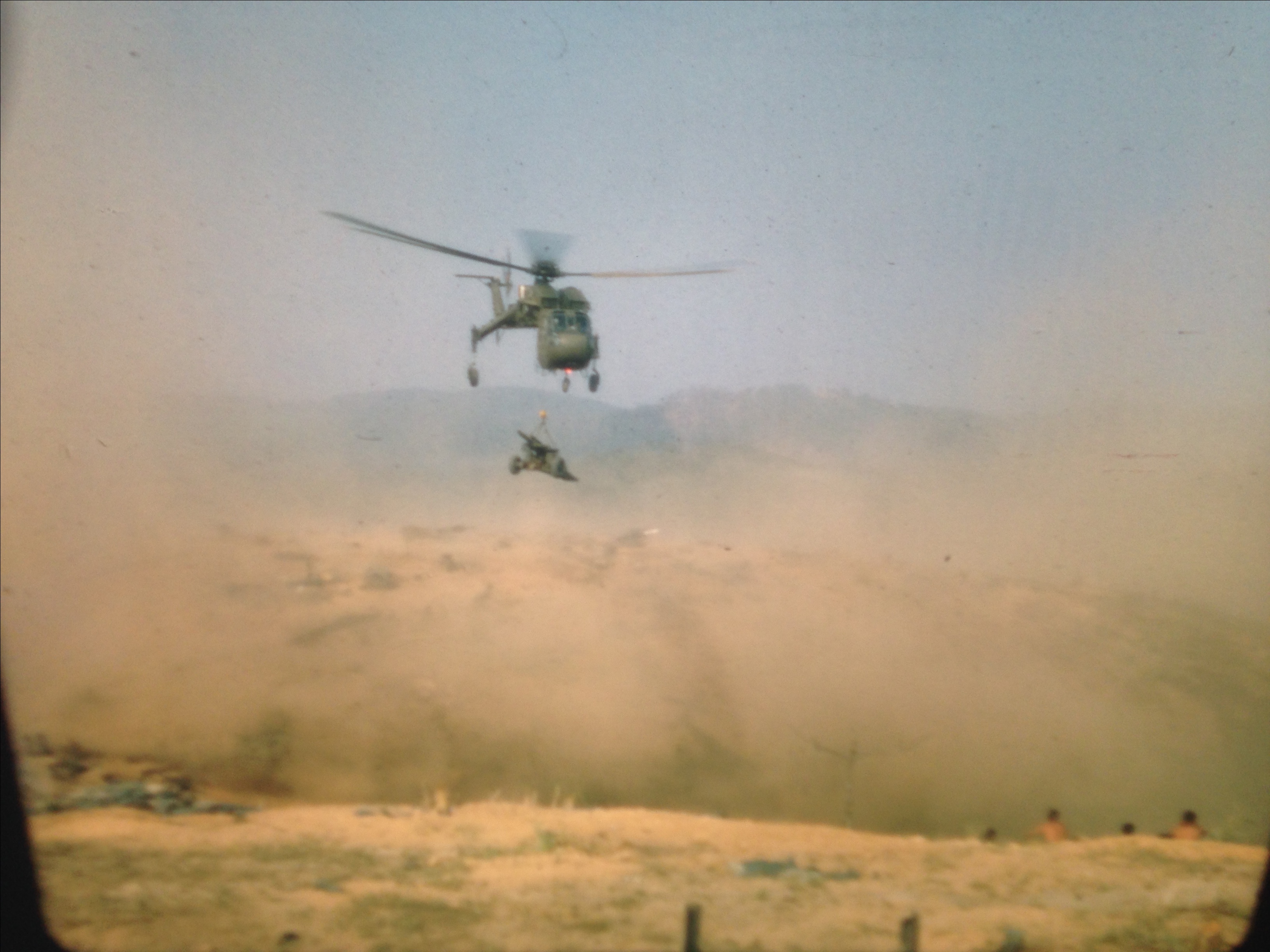
4th Infantry Division • U.S. Army • 1968
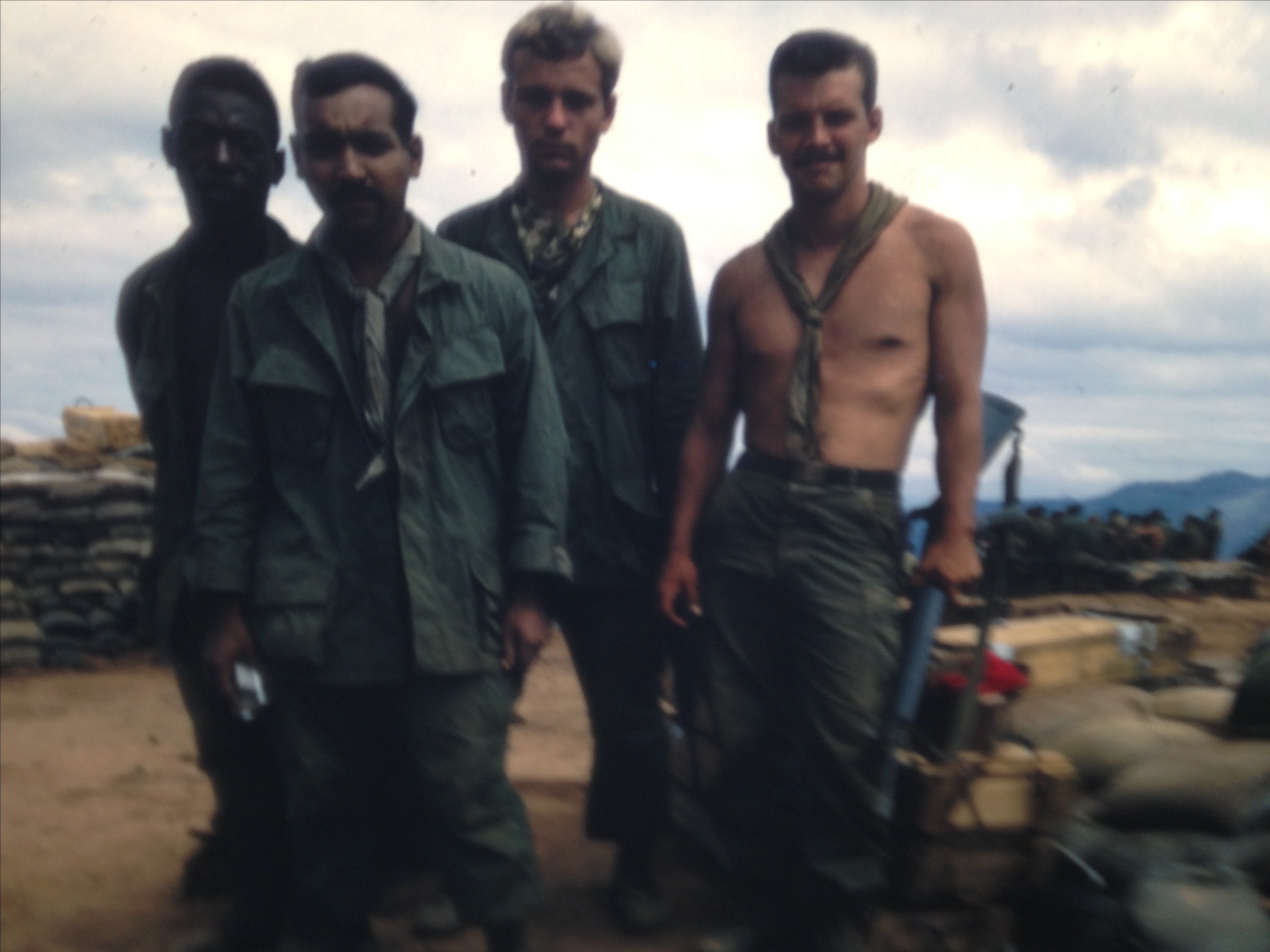
4th Infantry Division • U.S. Army • 1968

U.S. Army

ARTILLERY • U.S. Army