
Opening branch overview
Building the branch home surface
Loading branch highlights, featured unit context, and gallery moments.
Overview
Members
Units
Building the branch home surface
Loading branch highlights, featured unit context, and gallery moments.
Building the branch units surface
Loading unit filters, rankings, and the branch unit grid.

37 members•1 unit
Relive and share the memories of your service-time with your brothers and sisters in arms today. VetFriends.com can help you reconnect.
Did you proudly serve in the ARAACOM?
Are you looking for someone who is or was in the ARAACOM?
Do you have ARAACOM photos you'd like to share?
Then join a community with your brothers and sisters of the ARAACOM.
Branch
U.S. Army
Members
37
ARAACOM stands for Army Anti-Aircraft Command, a major United States Army command established in 1950 during the early Cold War era. Its primary mission was to organize, train, and operate anti-aircraft defenses to protect the continental United States from potential Soviet bomber attacks. ARAACOM oversaw the deployment and operational readiness of anti-aircraft artillery units and later surface-to-air missile systems such as the Nike missile program. In 1957, reflecting the increasing importance of missile defense, ARAACOM was renamed the U.S. Army Air Defense Command (ARADCOM), continuing its mission until its inactivation in the 1970s.
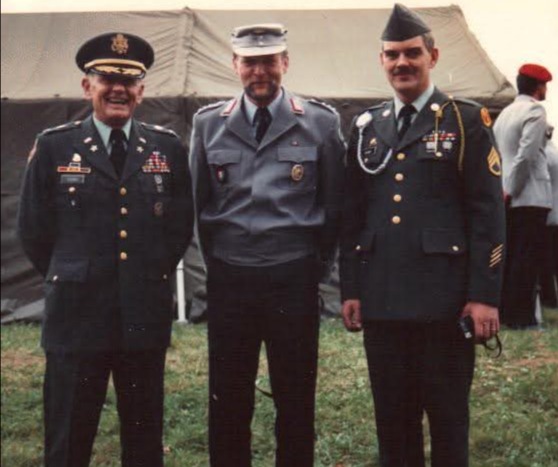
3/37th FA • U.S. Army
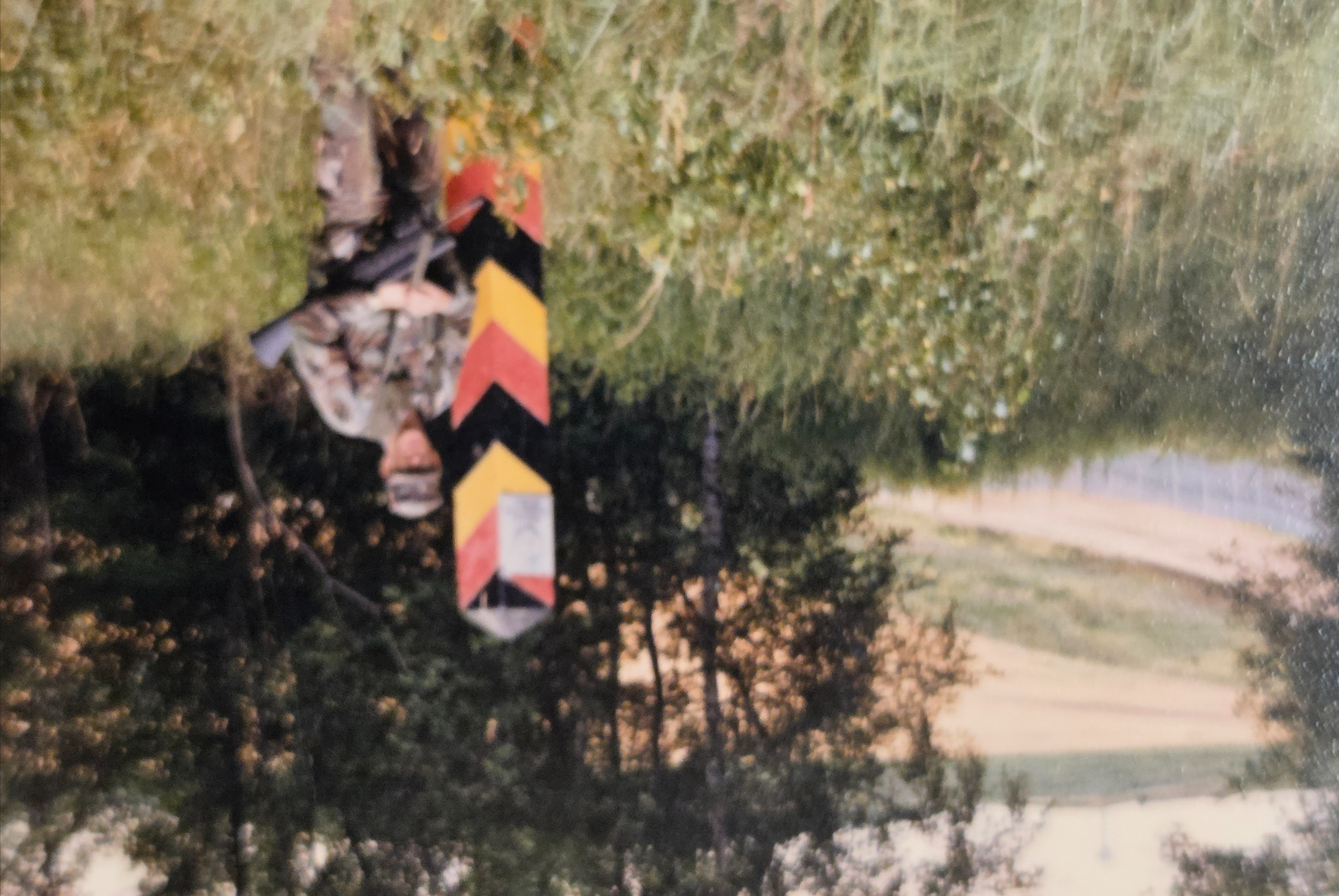
103rd MI Bn 3rd Infantry Division • U.S. Army • 1986
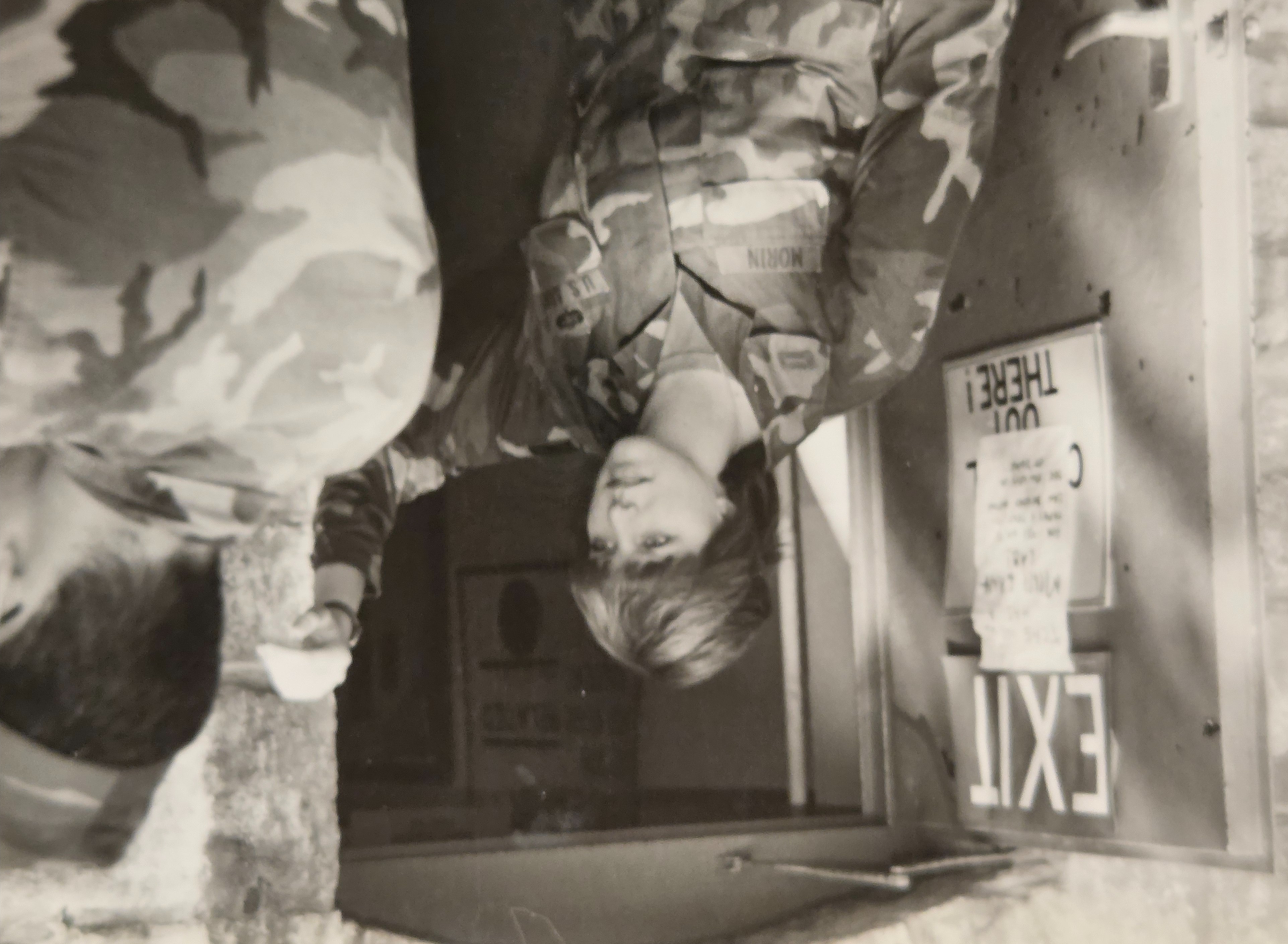
103rd MI Bn 3rd Infantry Division • U.S. Army • 1987
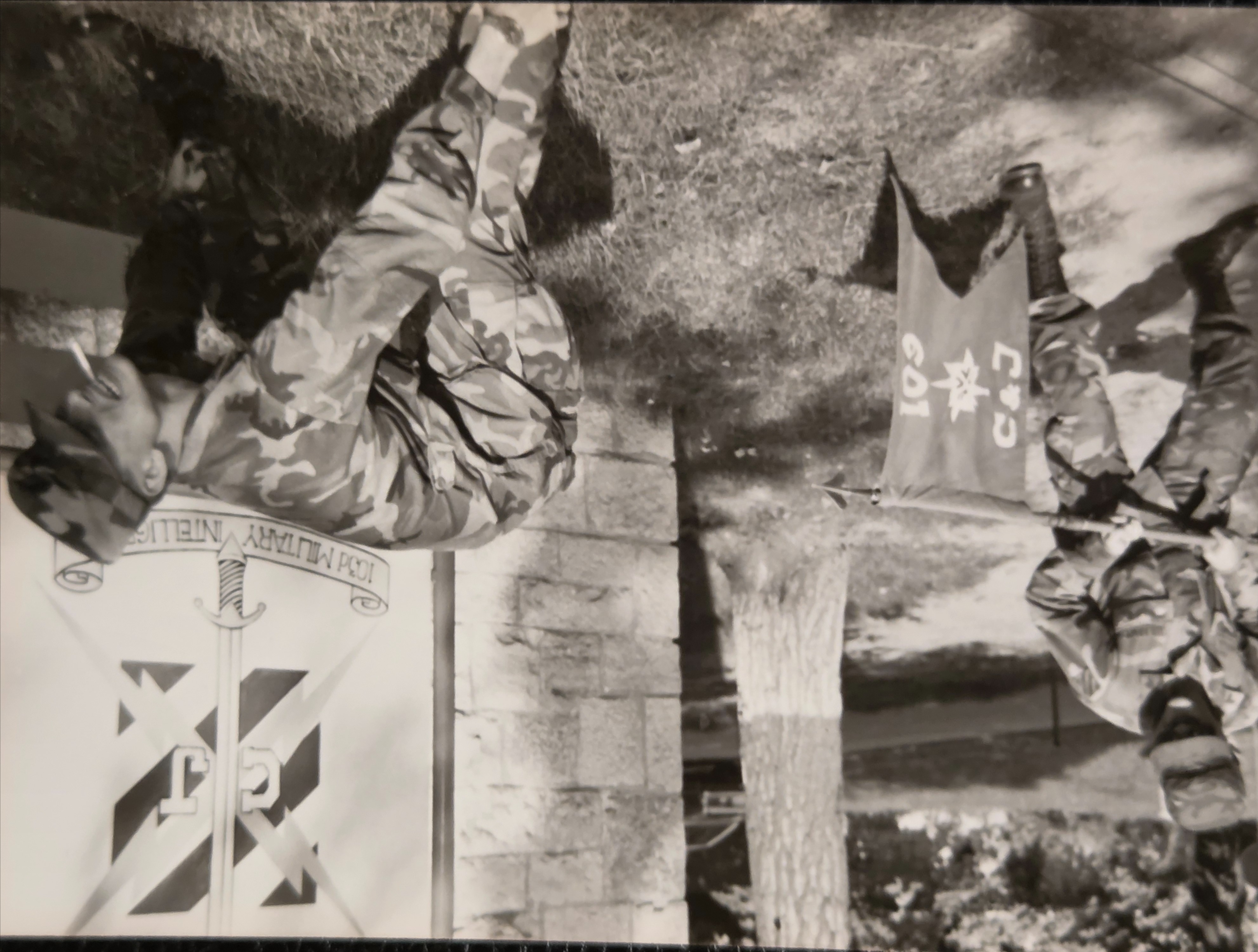
103rd MI Bn 3rd Infantry Division • U.S. Army • 1987