
Opening branch overview
Building the branch home surface
Loading branch highlights, featured unit context, and gallery moments.
Overview
Members
Units
Building the branch home surface
Loading branch highlights, featured unit context, and gallery moments.
Building the branch units surface
Loading unit filters, rankings, and the branch unit grid.

17 members•1 unit
Relive and share the memories of your service-time with your brothers and sisters in arms today. VetFriends.com can help you reconnect.
Did you proudly serve in the Amphibious Personnel Destroyer?
Are you looking for someone who is or was in the Amphibious Personnel Destroyer?
Do you have Amphibious Personnel Destroyer photos you'd like to share?
Then join a community with your brothers and sisters of the Amphibious Personnel Destroyer.
Branch
U.S. Army
Members
17
**Amphibious Personnel Destroyer: Unit History** Formed in the late 1960s, the Amphibious Personnel Destroyer (APD) unit was established to provide rapid deployment and direct fire support for amphibious assaults. Originally designed as modified destroyers, these vessels were reconfigured to carry troops, landing craft, and specialized equipment, enabling them to deliver infantry forces directly onto contested shorelines. APDs saw action in several major conflicts, including the Vietnam War, where their speed and versatility proved critical in riverine and coastal operations. The unit was gradually phased out as newer, more versatile amphibious warfare ships entered service, but its legacy endures in modern naval expeditionary tactics.
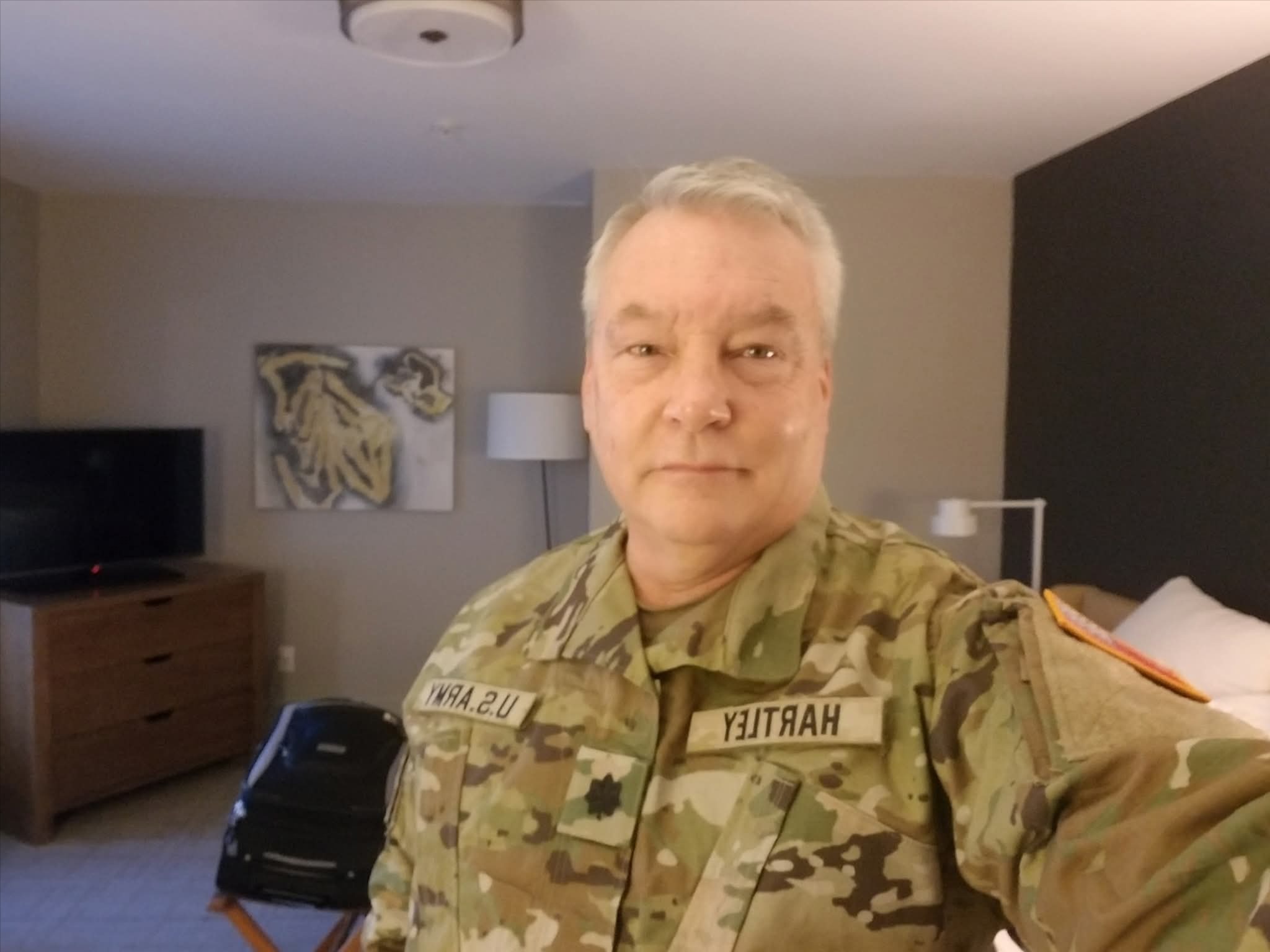
Dwight David Eisenhower Army Medical Center • U.S. Army • 2021
U.S. Army

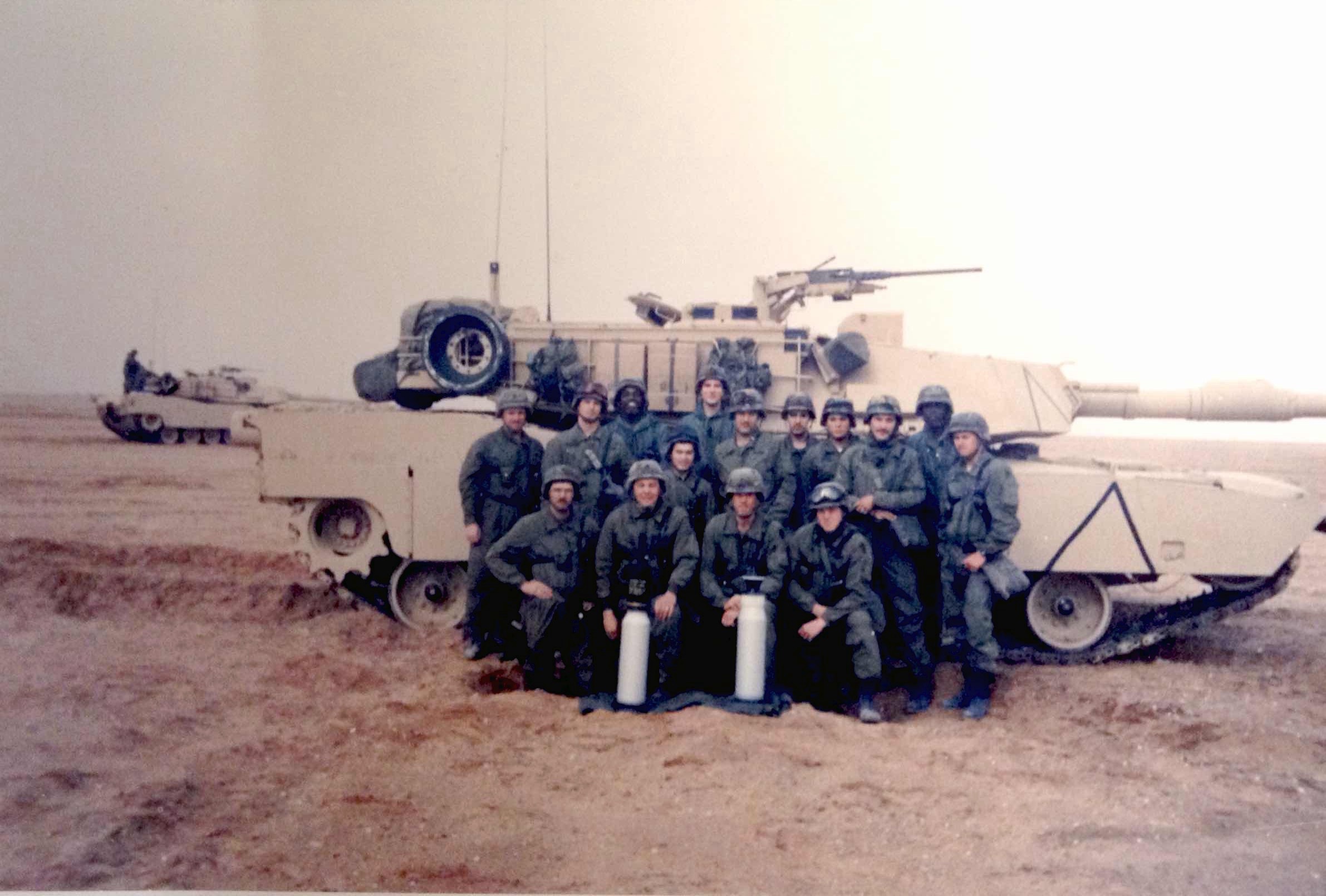
MEDICAL • U.S. Army • 1991
U.S. Army