
Opening branch overview
Building the branch home surface
Loading branch highlights, featured unit context, and gallery moments.
Overview
Members
Units
Building the branch home surface
Loading branch highlights, featured unit context, and gallery moments.
Building the branch units surface
Loading unit filters, rankings, and the branch unit grid.

37 members•1 unit
Relive and share the memories of your service-time with your brothers and sisters in arms today. VetFriends.com can help you reconnect.
Did you proudly serve in the A 2:6th?
Are you looking for someone who is or was in the A 2:6th?
Do you have A 2:6th photos you'd like to share?
Then join a community with your brothers and sisters of the A 2:6th.
Branch
U.S. Army
Members
37
Certainly! The designation "A 2/6th" typically refers to 'A' Company of the 2/6th Battalion, a unit that has appeared in several Commonwealth forces, most notably the Australian Army during World War II. The 2/6th Battalion was raised in October 1939 as part of the Second Australian Imperial Force and was assigned to the 17th Brigade, 6th Australian Division. The battalion saw significant action in the North African Campaign, including the battles of Bardia and Tobruk, and later served in Greece, Crete, and the Pacific. 'A' Company, as a frontline sub-unit, participated in these campaigns, enduring heavy combat and contributing to the battalion's distinguished wartime record before being disbanded in 1946.
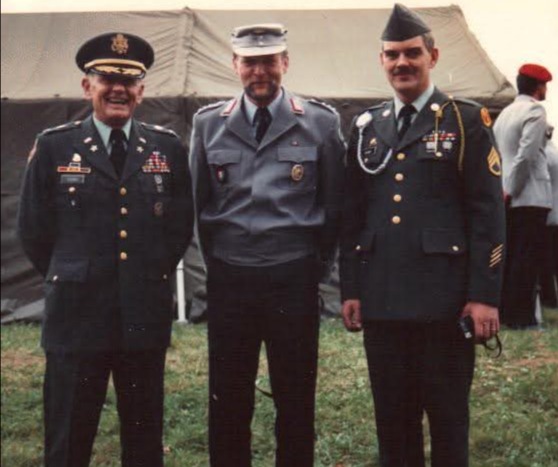
3/37th FA • U.S. Army
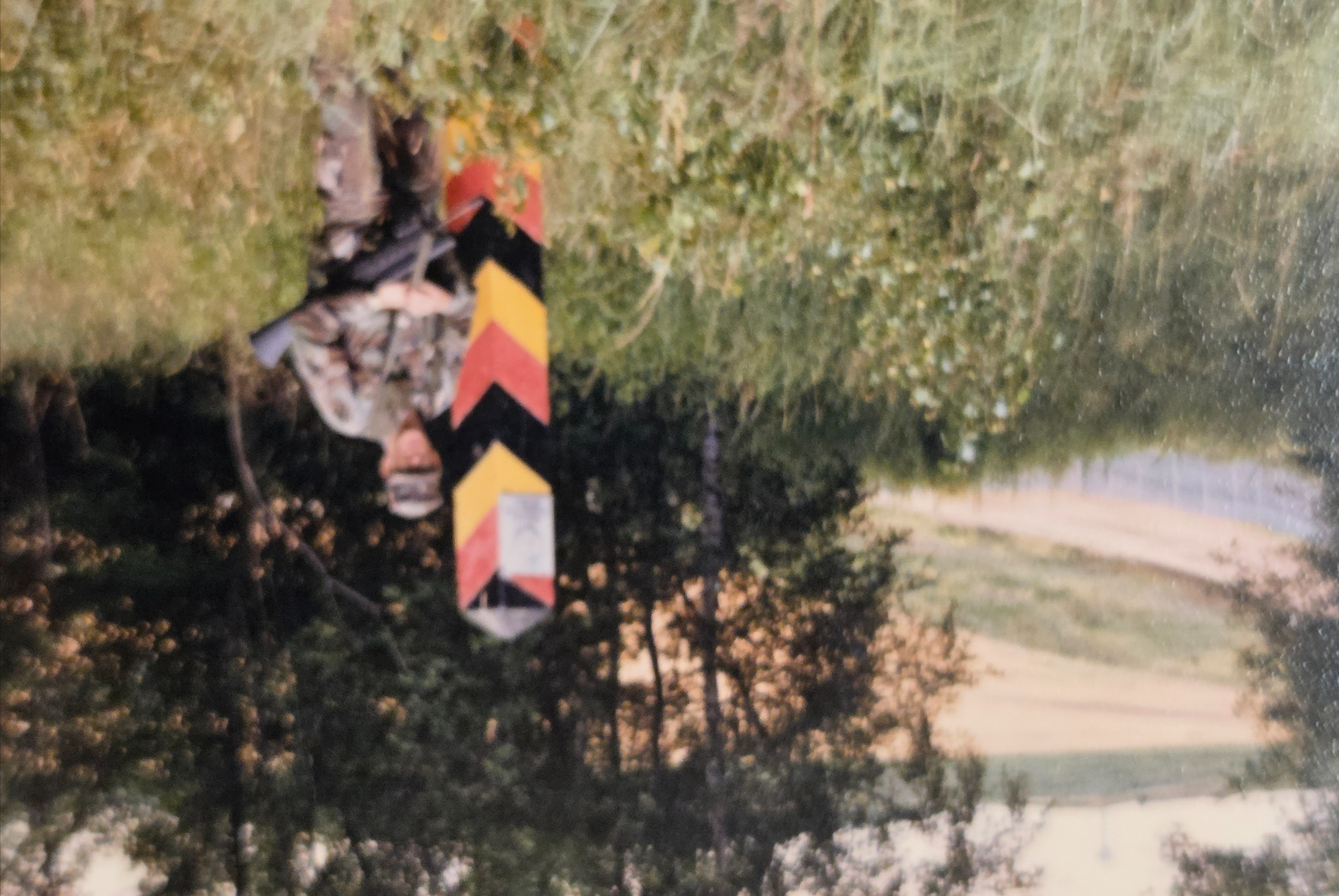
103rd MI Bn 3rd Infantry Division • U.S. Army • 1986
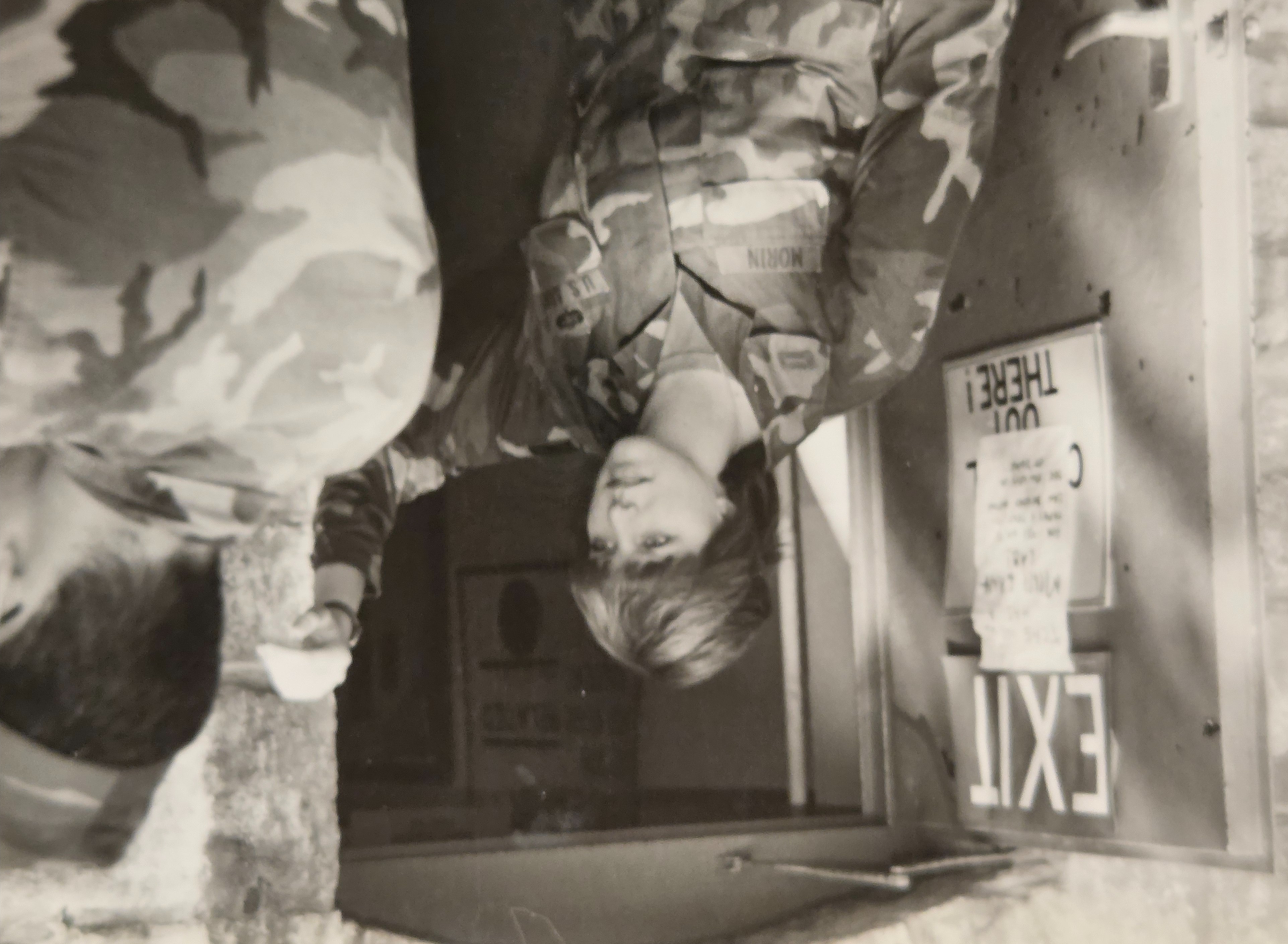
103rd MI Bn 3rd Infantry Division • U.S. Army • 1987
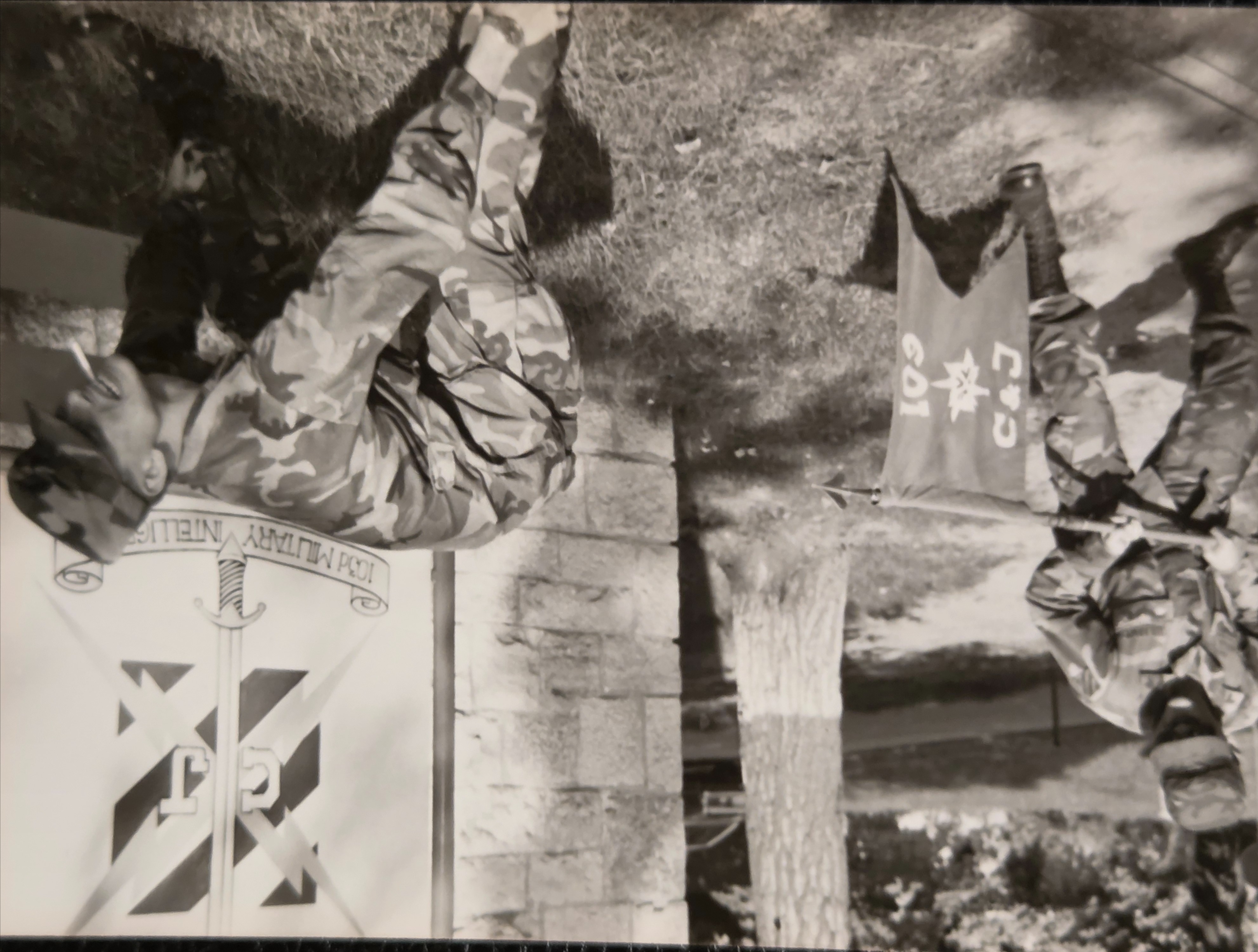
103rd MI Bn 3rd Infantry Division • U.S. Army • 1987