
Opening branch overview
Building the branch home surface
Loading branch highlights, featured unit context, and gallery moments.
Overview
Members
Units
Building the branch home surface
Loading branch highlights, featured unit context, and gallery moments.
Building the branch units surface
Loading unit filters, rankings, and the branch unit grid.

U.S. Army•5 members
Relive and share the memories of your service-time with your brothers and sisters in arms today. VetFriends.com can help you reconnect.
Did you proudly serve in the 9th Med Lab?
Are you looking for someone who is or was in the 9th Med Lab?
Do you have 9th Med Lab photos you'd like to share?
Then join a community with your brothers and sisters of the 9th Med Lab.
The 9th Medical Laboratory, commonly referred to as the 9th Med Lab, was activated during World War II to provide essential medical laboratory services to U.S. Army forces overseas. Throughout its history, the unit played a crucial role in disease detection, blood banking, and epidemiological support during major conflicts, including the Korean and Vietnam Wars. The 9th Med Lab was known for deploying advanced diagnostic teams close to the front lines, enhancing the Army’s ability to manage infectious disease outbreaks and maintain troop health. Over the years, the laboratory was reorganized and re-designated, but its legacy endures as a pioneer in military medical laboratory operations.
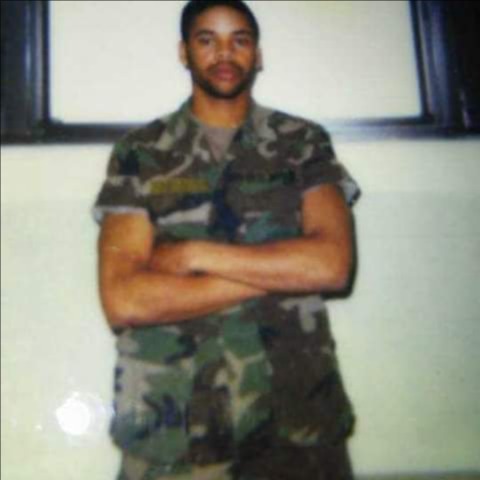
U.S. Army
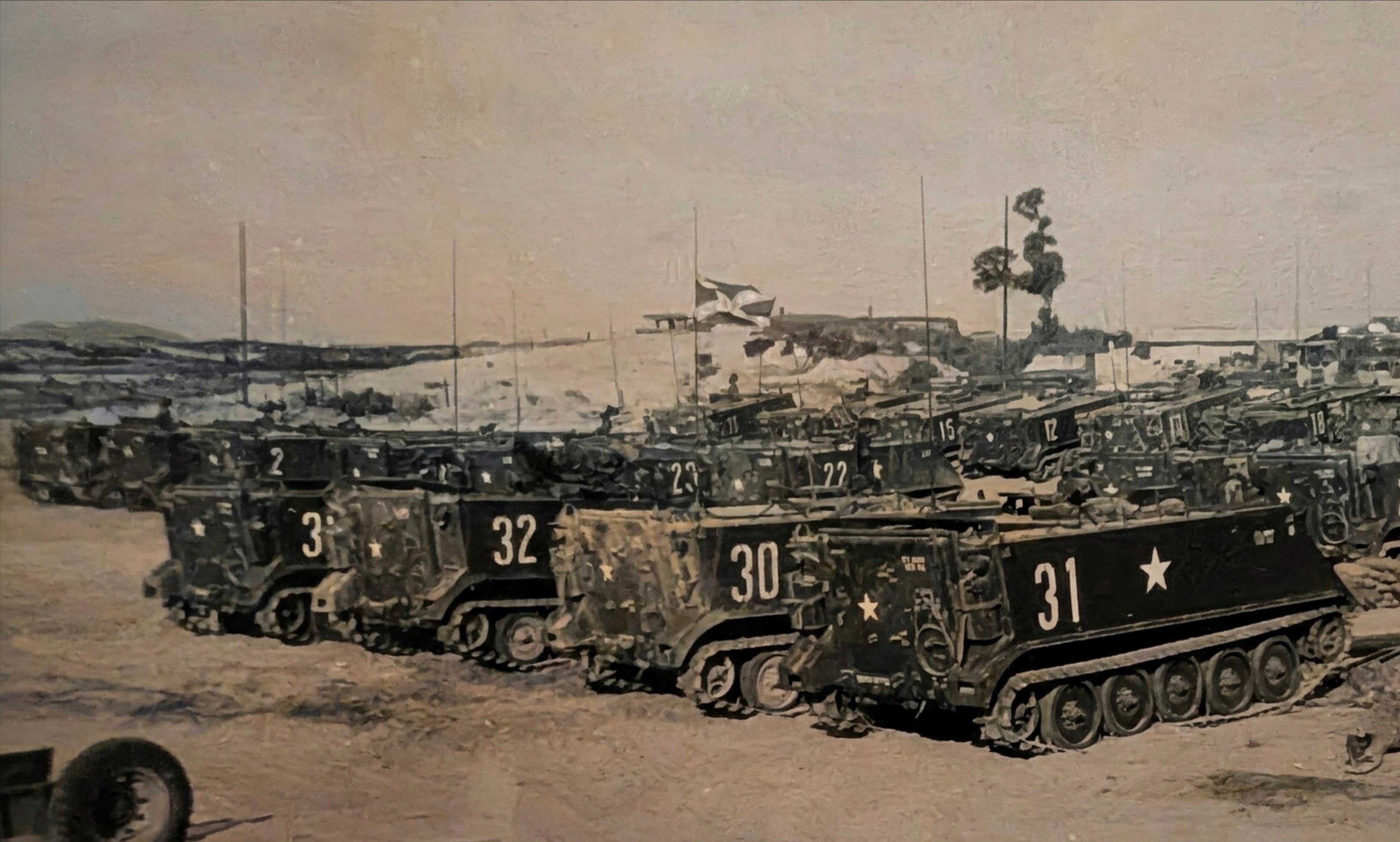
U.S. Army
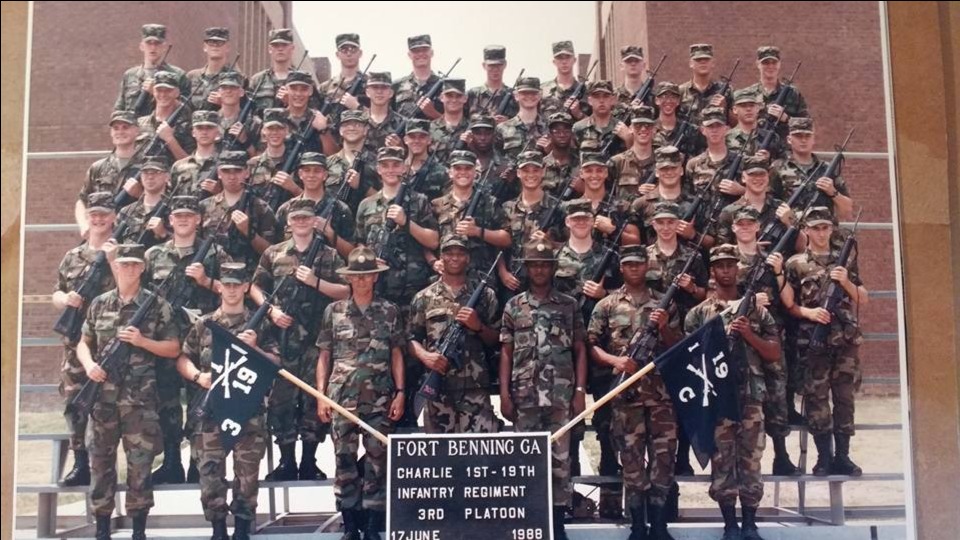
U.S. Army

U.S. Army