
Opening branch overview
Building the branch home surface
Loading branch highlights, featured unit context, and gallery moments.
Overview
Members
Units
Building the branch home surface
Loading branch highlights, featured unit context, and gallery moments.
Building the branch units surface
Loading unit filters, rankings, and the branch unit grid.

37 members•1 unit
Relive and share the memories of your service-time with your brothers and sisters in arms today. VetFriends.com can help you reconnect.
Did you proudly serve in the 9th Infantry Division-Fort Lewis Washington?
Are you looking for someone who is or was in the 9th Infantry Division-Fort Lewis Washington?
Do you have 9th Infantry Division-Fort Lewis Washington photos you'd like to share?
Then join a community with your brothers and sisters of the 9th Infantry Division-Fort Lewis Washington.
Branch
U.S. Army
Members
37
The 9th Infantry Division, known as the "Old Reliables," was reactivated at Fort Lewis, Washington, in 1972 after distinguished service in World War II and Vietnam. During its time at Fort Lewis, the division served as a testbed for innovative light infantry and motorized tactics throughout the 1980s, contributing to the modernization of U.S. Army doctrine. The division participated in numerous training exercises and readiness operations, preparing soldiers for both conventional and rapid deployment missions. In 1991, the 9th Infantry Division was inactivated at Fort Lewis as part of post-Cold War force reductions, but its legacy of adaptability and excellence endures.
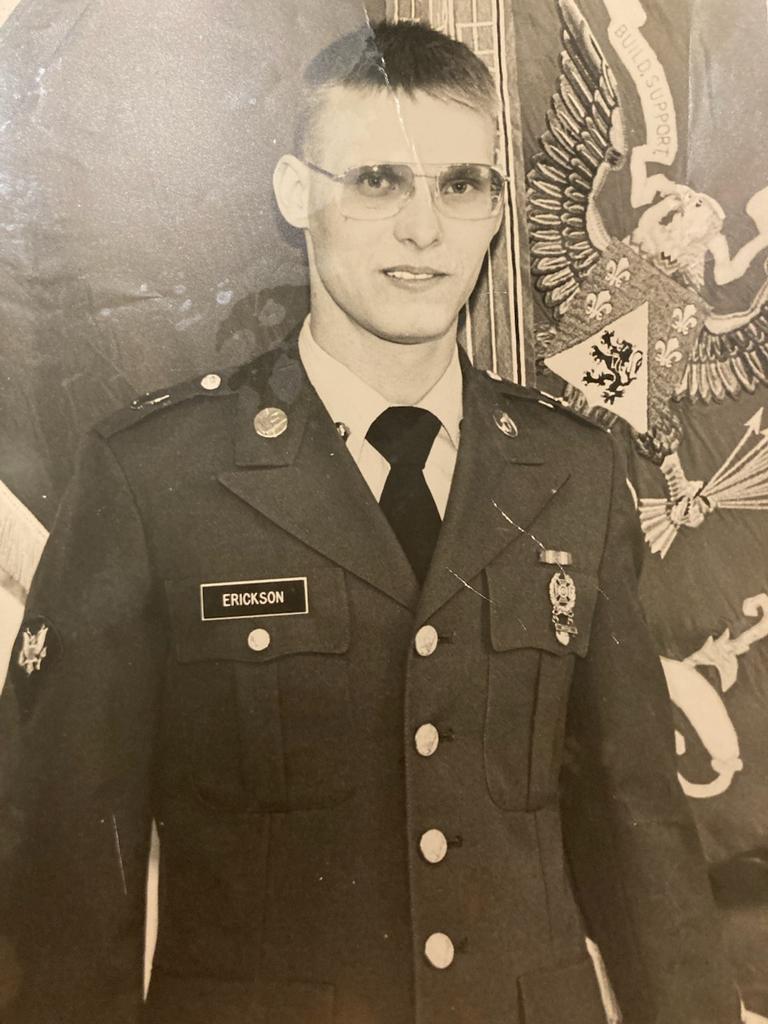
U.S. Marine Corps • 1963
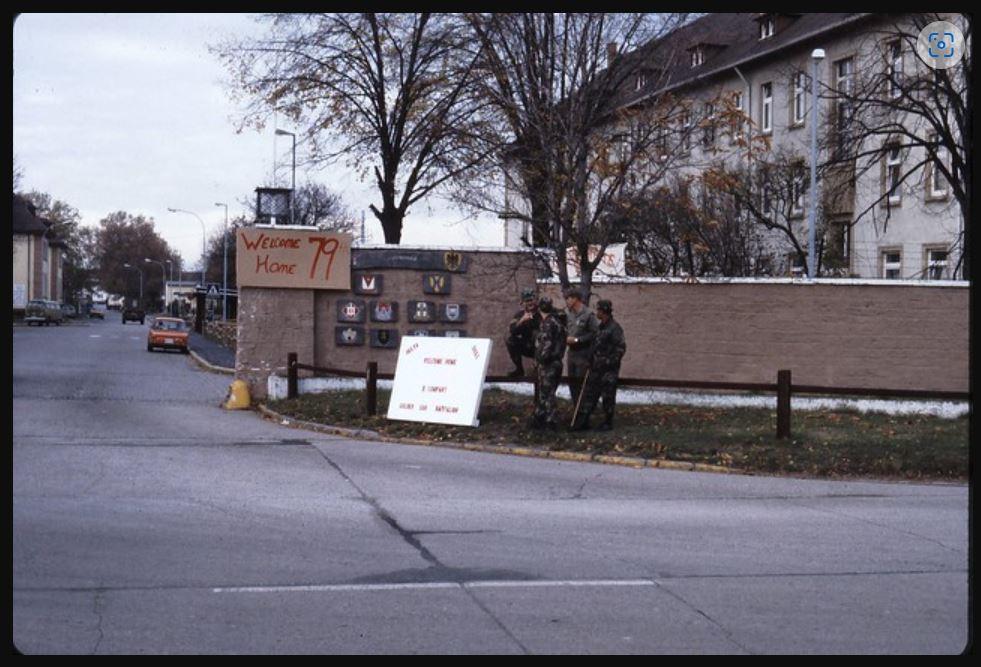
U.S. Marine Corps • 1962