
Opening branch overview
Building the branch home surface
Loading branch highlights, featured unit context, and gallery moments.
Overview
Members
Units
Building the branch home surface
Loading branch highlights, featured unit context, and gallery moments.
Building the branch units surface
Loading unit filters, rankings, and the branch unit grid.

1 members•1 unit
Relive and share the memories of your service-time with your brothers and sisters in arms today. VetFriends.com can help you reconnect.
Did you proudly serve in the 9584TU SCEL FLD STA #4?
Are you looking for someone who is or was in the 9584TU SCEL FLD STA #4?
Do you have 9584TU SCEL FLD STA #4 photos you'd like to share?
Then join a community with your brothers and sisters of the 9584TU SCEL FLD STA #4.
Branch
U.S. Army
Members
1
9584TU SCEL FLD STA #4 refers to a United States Air Force mobile communications unit active during the Cold War. The designation "9584th Technical Unit, Strategic Communications Electronic Laboratory, Field Station #4" indicates its role in providing secure and reliable communications in support of strategic forces. Established in the late 1950s, the unit was tasked with deploying and maintaining advanced electronic and signal equipment at forward locations. Its personnel supported high-priority command and control missions, contributing to the readiness and effectiveness of U.S. nuclear deterrence operations during periods of heightened tension.

U.S. Army
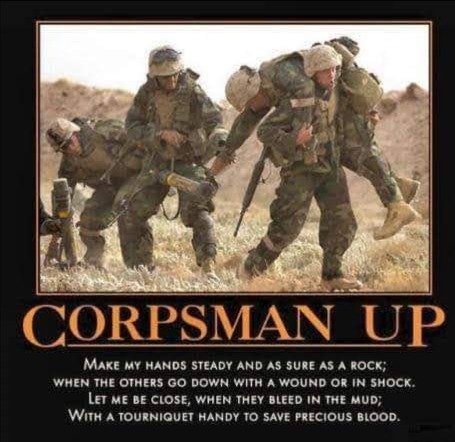
U.S. Army
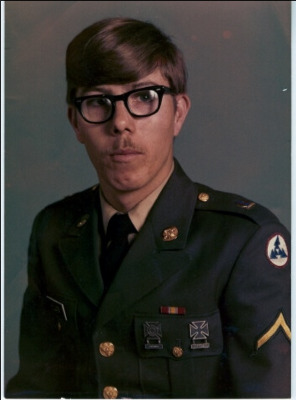
41 TRANS CO 181 TRANS BN • U.S. Army • 1974
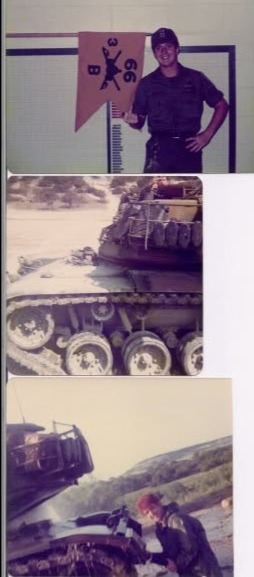
2nd Armored Division • U.S. Army • 1981