
Opening branch overview
Building the branch home surface
Loading branch highlights, featured unit context, and gallery moments.
Overview
Members
Units
Building the branch home surface
Loading branch highlights, featured unit context, and gallery moments.
Building the branch units surface
Loading unit filters, rankings, and the branch unit grid.

2 members•1 unit
Relive and share the memories of your service-time with your brothers and sisters in arms today. VetFriends.com can help you reconnect.
Did you proudly serve in the 73C20 Pay Dispersant Specialist?
Are you looking for someone who is or was in the 73C20 Pay Dispersant Specialist?
Do you have 73C20 Pay Dispersant Specialist photos you'd like to share?
Then join a community with your brothers and sisters of the 73C20 Pay Dispersant Specialist.
Branch
U.S. Army
Members
2
The 73C20 Pay Dispersant Specialist was a U.S. Army military occupational specialty (MOS) active primarily during the Vietnam War era and into the late 20th century. Soldiers in this role were responsible for managing, preparing, and disbursing pay and allowances to military personnel, often operating in forward-deployed or combat environments. Their duties included maintaining financial records, ensuring accurate payments, and resolving pay issues, which were critical for troop morale and operational efficiency. The MOS underwent restructuring and was eventually merged into broader financial management specialties as the Army modernized its personnel and finance systems.
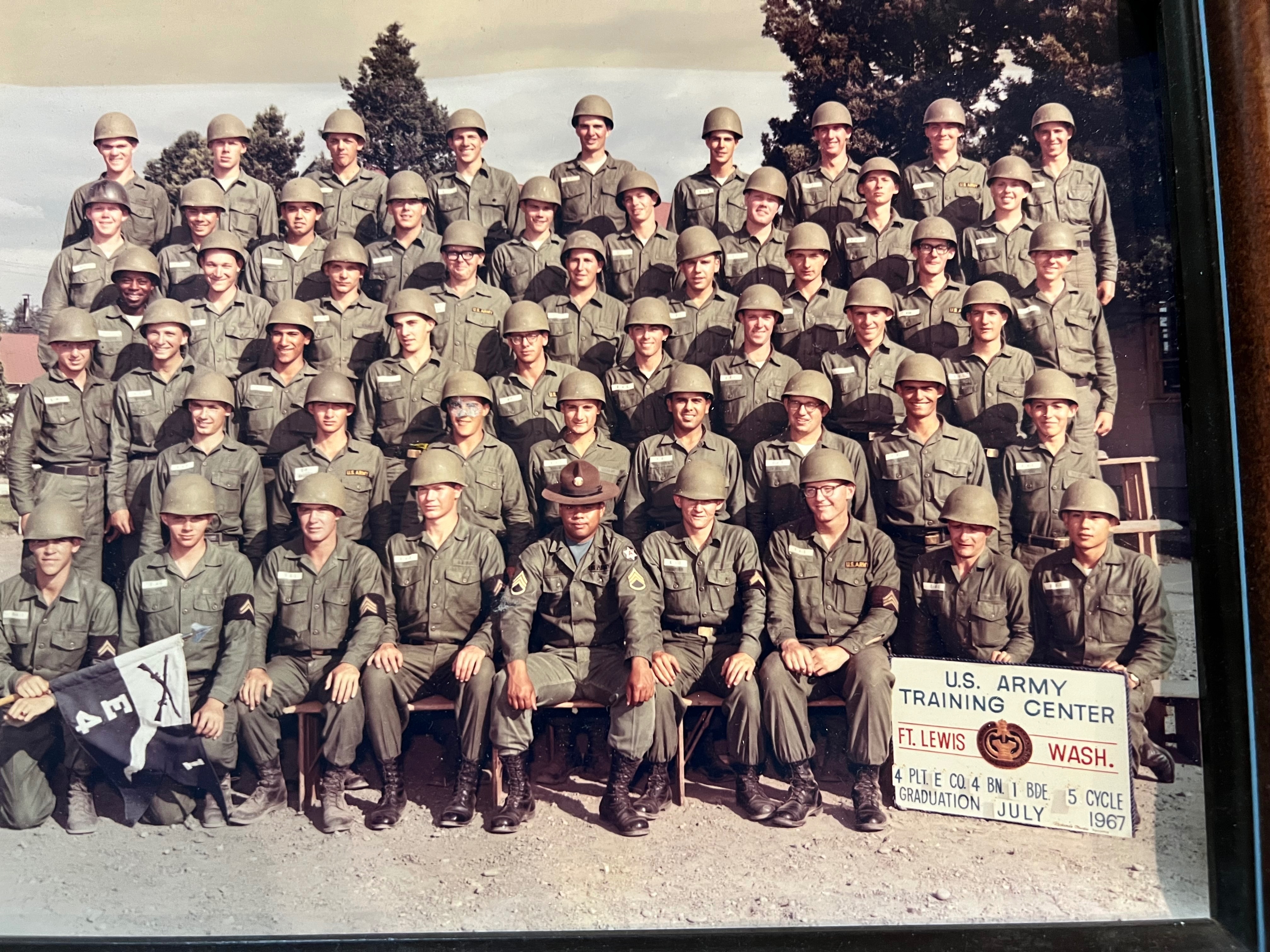
U.S. Army
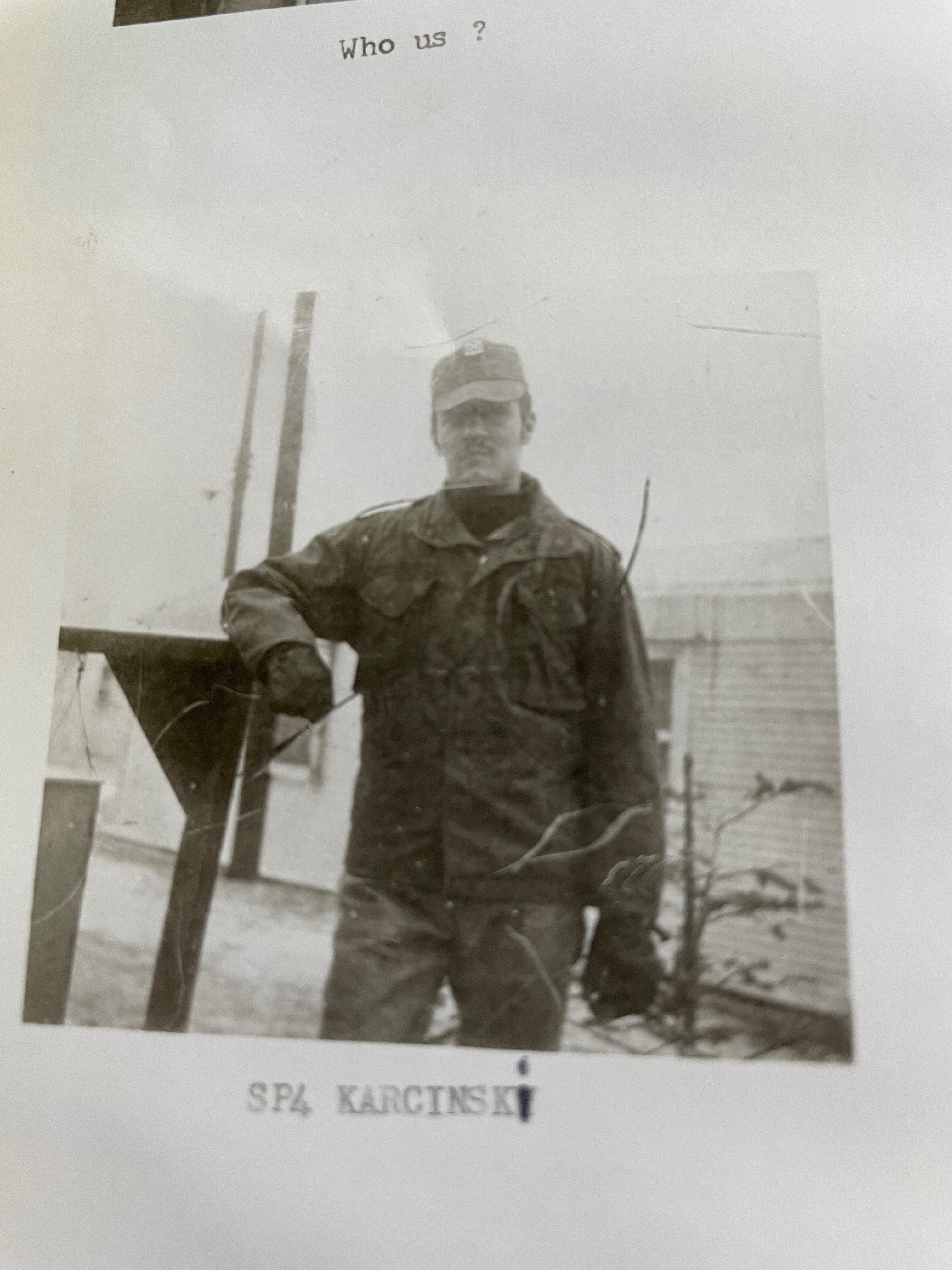
U.S. Army
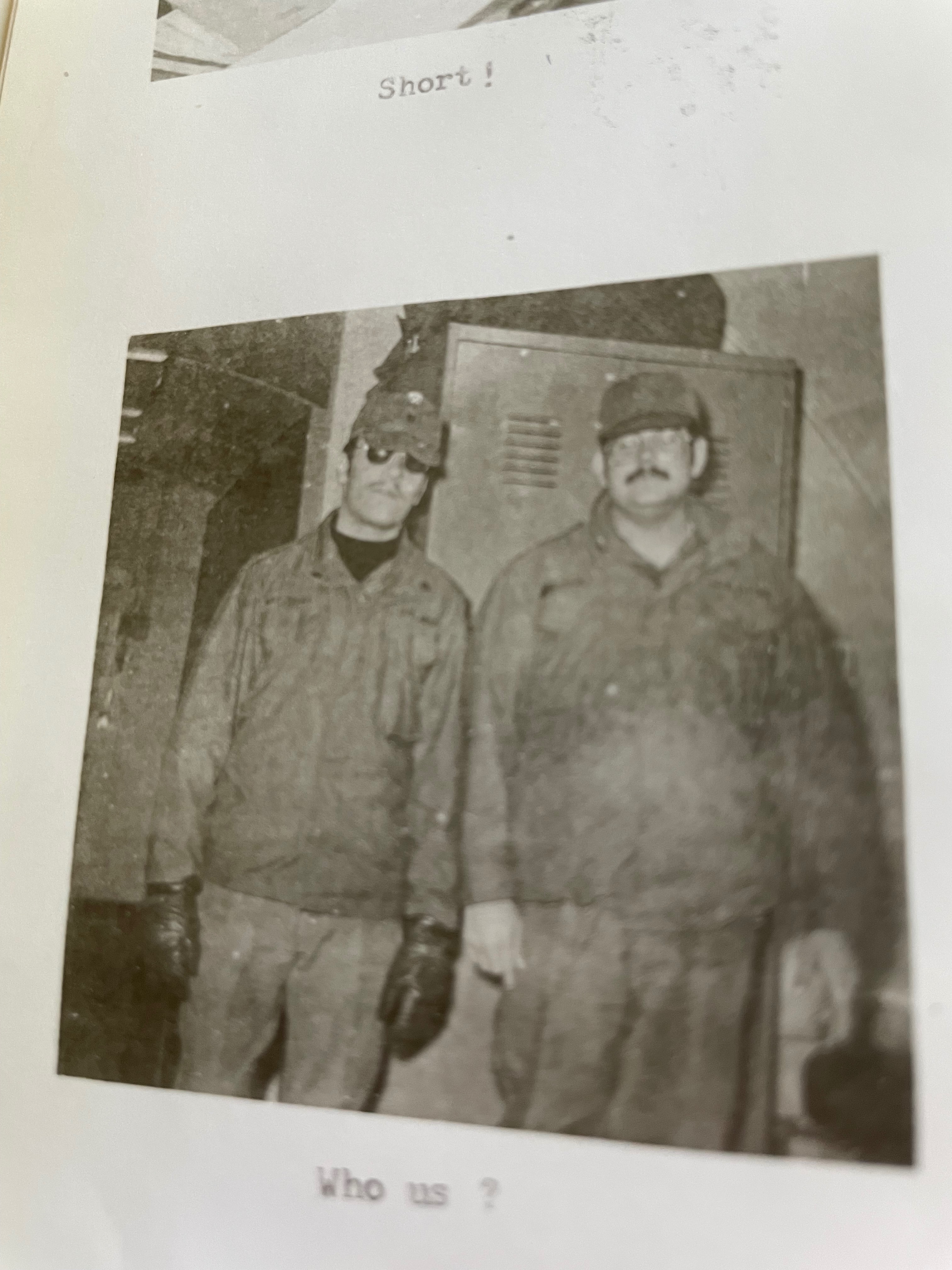
U.S. Army
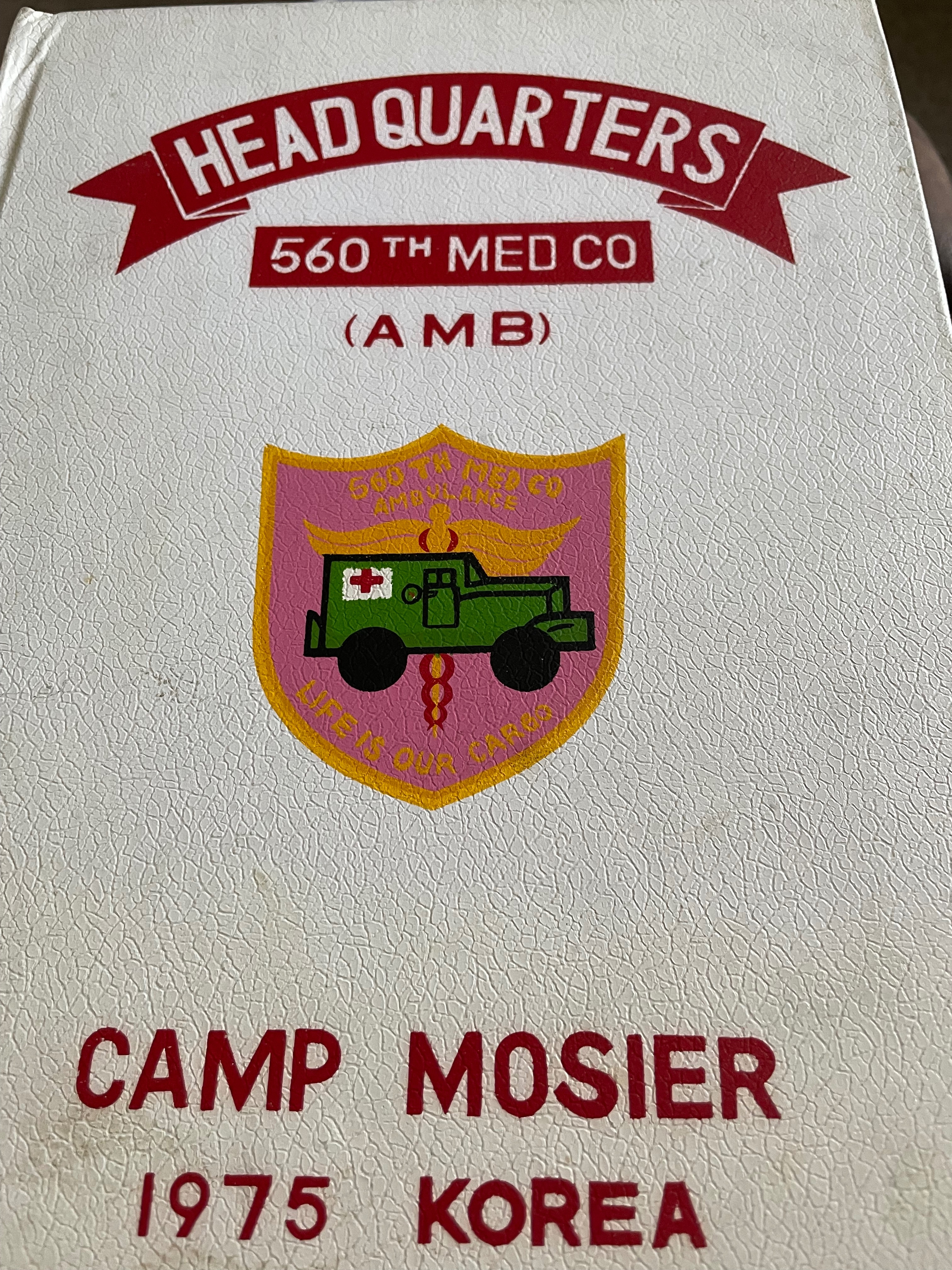
U.S. Army