
Opening branch overview
Building the branch home surface
Loading branch highlights, featured unit context, and gallery moments.
Overview
Members
Units
Building the branch home surface
Loading branch highlights, featured unit context, and gallery moments.
Building the branch units surface
Loading unit filters, rankings, and the branch unit grid.

58 members•1 unit
Relive and share the memories of your service-time with your brothers and sisters in arms today. VetFriends.com can help you reconnect.
Did you proudly serve in the 72nd Signal Battalion?
Are you looking for someone who is or was in the 72nd Signal Battalion?
Do you have 72nd Signal Battalion photos you'd like to share?
Then join a community with your brothers and sisters of the 72nd Signal Battalion.
Branch
U.S. Army
Members
58
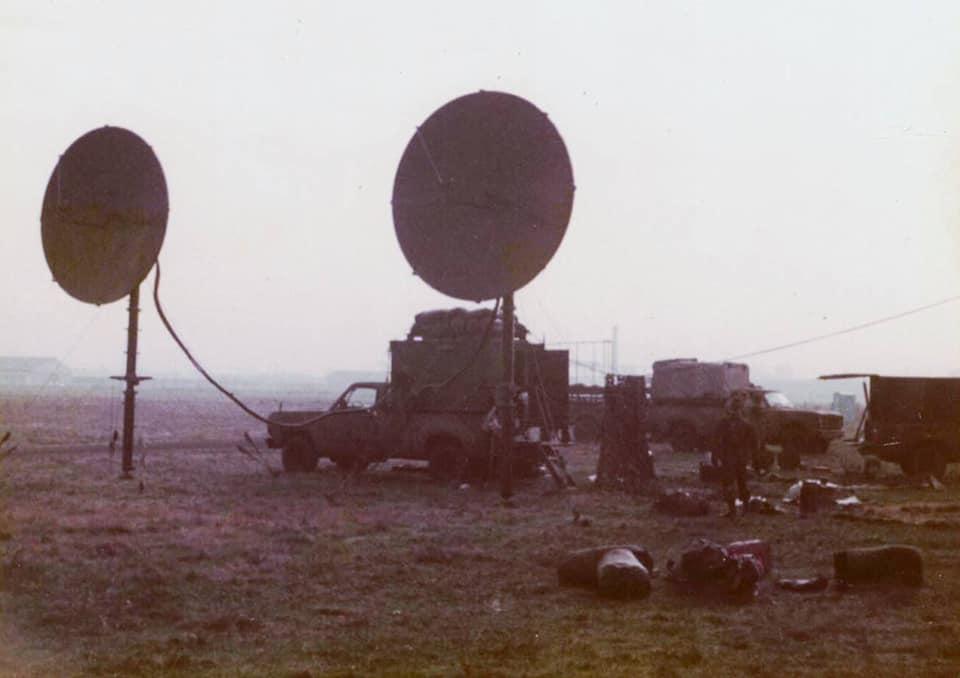
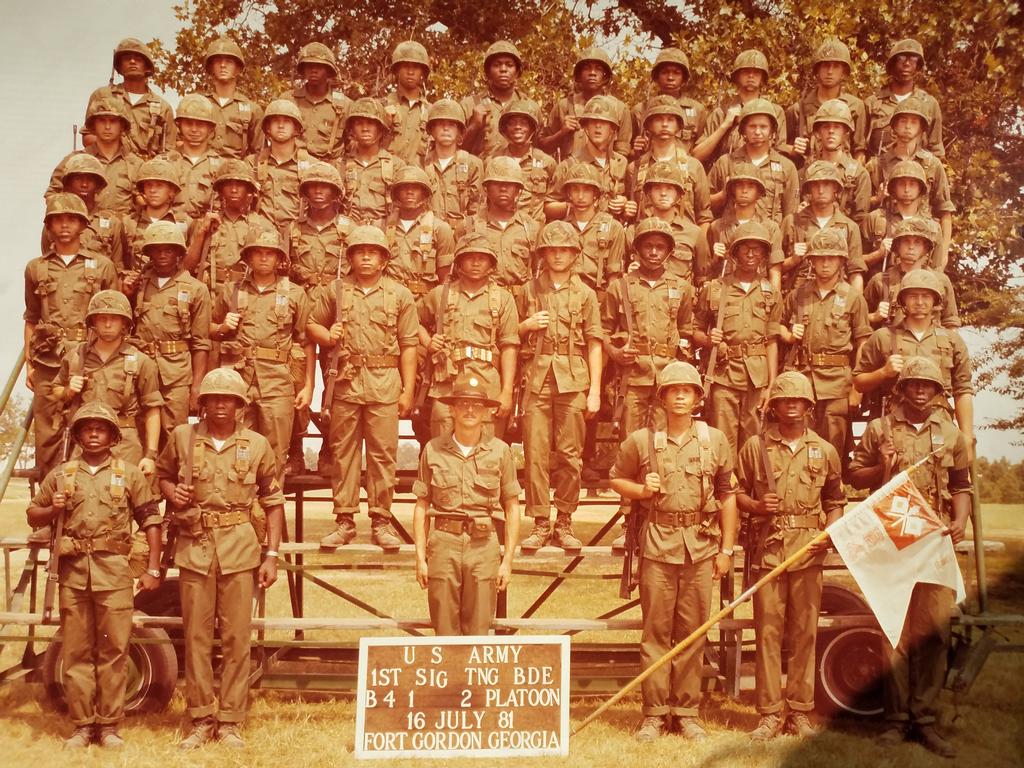
The 72nd Signal Battalion was originally constituted on 3 June 1941 in the Regular Army as the 72nd Signal Company and activated at Fort Benning, Georgia. During World War II, the unit served in the European Theater, providing critical communications support throughout several major campaigns, including Normandy and Central Europe. After several periods of inactivation and reactivation, the battalion was stationed in Germany during the Cold War, supporting U.S. Army Europe operations as a vital part of communications infrastructure. The 72nd Signal Battalion was inactivated in 2007, having earned a distinguished legacy of service marked by adaptability and technical expertise in support of U.S. and allied forces.
U.S. Army
U.S. Army
U.S. Army