
Opening branch overview
Building the branch home surface
Loading branch highlights, featured unit context, and gallery moments.
Overview
Members
Units
Building the branch home surface
Loading branch highlights, featured unit context, and gallery moments.
Building the branch units surface
Loading unit filters, rankings, and the branch unit grid.

19 members•1 unit
Relive and share the memories of your service-time with your brothers and sisters in arms today. VetFriends.com can help you reconnect.
Did you proudly serve in the 6TH MISSILE BATTALION, 59TH ARTILLERY?
Are you looking for someone who is or was in the 6TH MISSILE BATTALION, 59TH ARTILLERY?
Do you have 6TH MISSILE BATTALION, 59TH ARTILLERY photos you'd like to share?
Then join a community with your brothers and sisters of the 6TH MISSILE BATTALION, 59TH ARTILLERY.
Branch
U.S. Army
Members
19
The 6th Missile Battalion, 59th Artillery was a unit of the United States Army established during the Cold War to operate and maintain air defense missile systems. Activated in the late 1950s, the battalion was equipped with the Nike Hercules surface-to-air missile, designed to provide protection against high-altitude bomber threats. Stationed in West Germany, the unit played a critical role in NATO’s integrated air defense network during a period of heightened tensions with the Soviet Union. The battalion was eventually inactivated in the 1970s as missile technology and strategic priorities evolved.
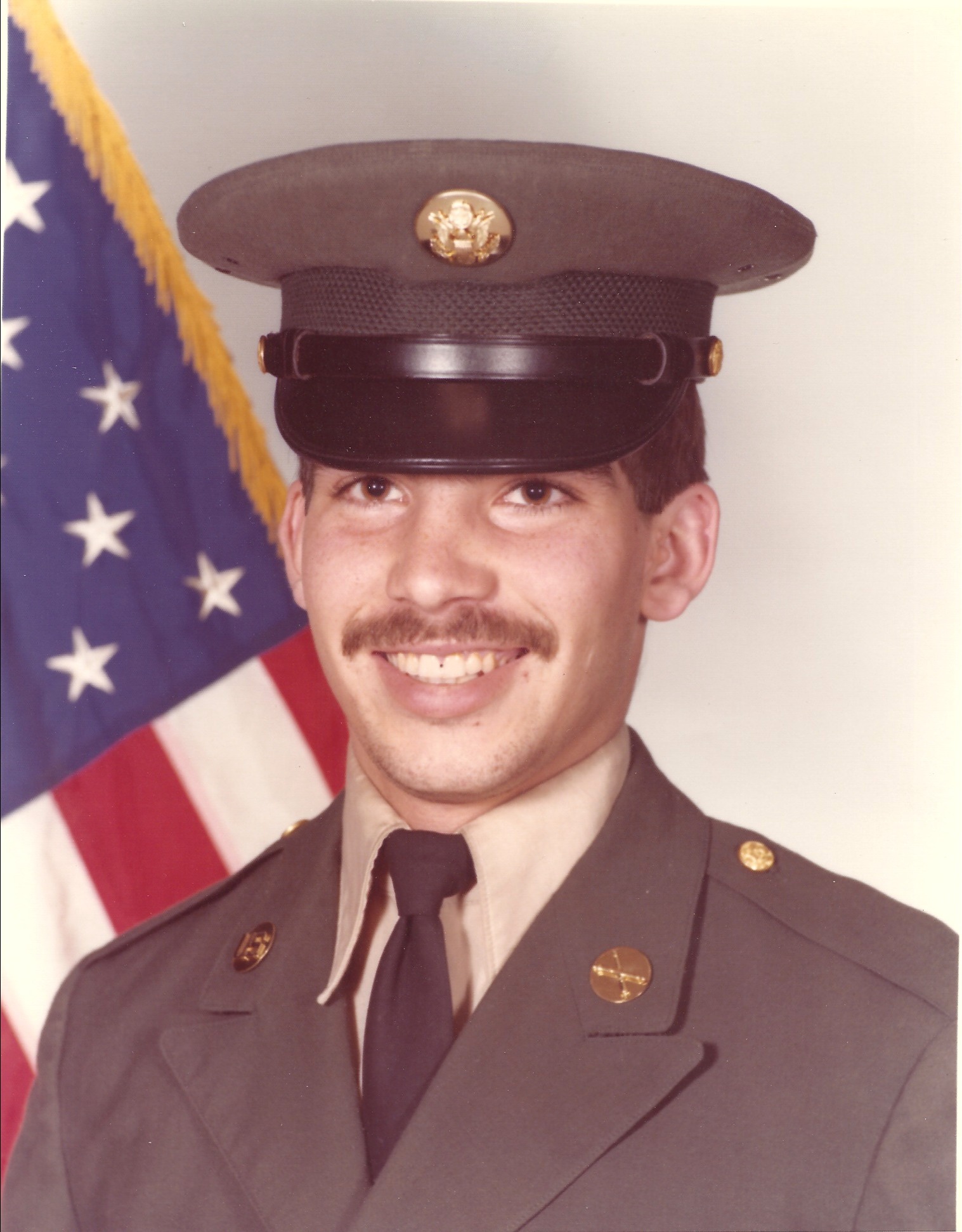
ARTILLERY • U.S. Army
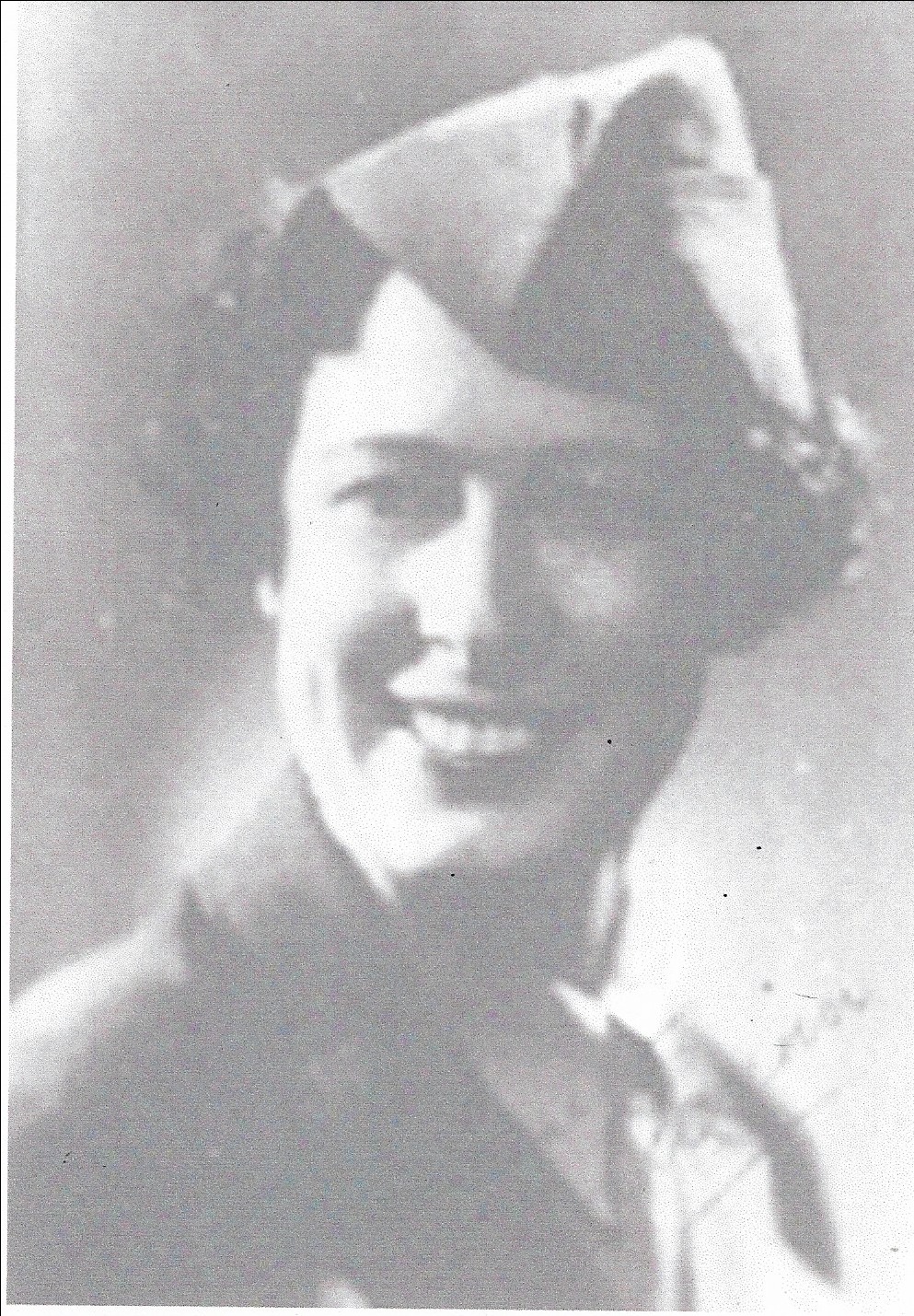
U.S. Army
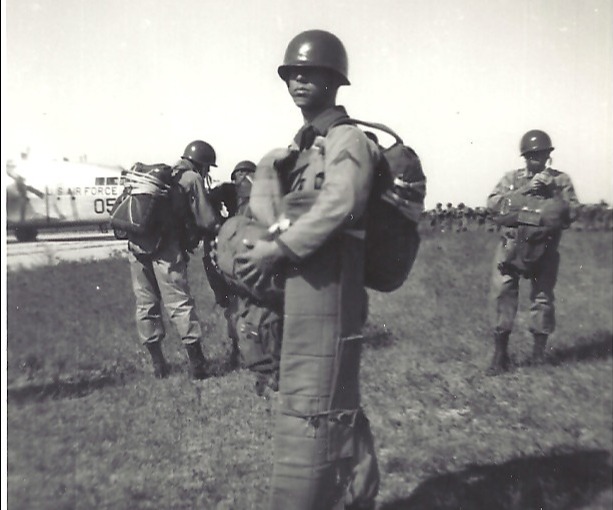
82nd Airborne • U.S. Army • 1954
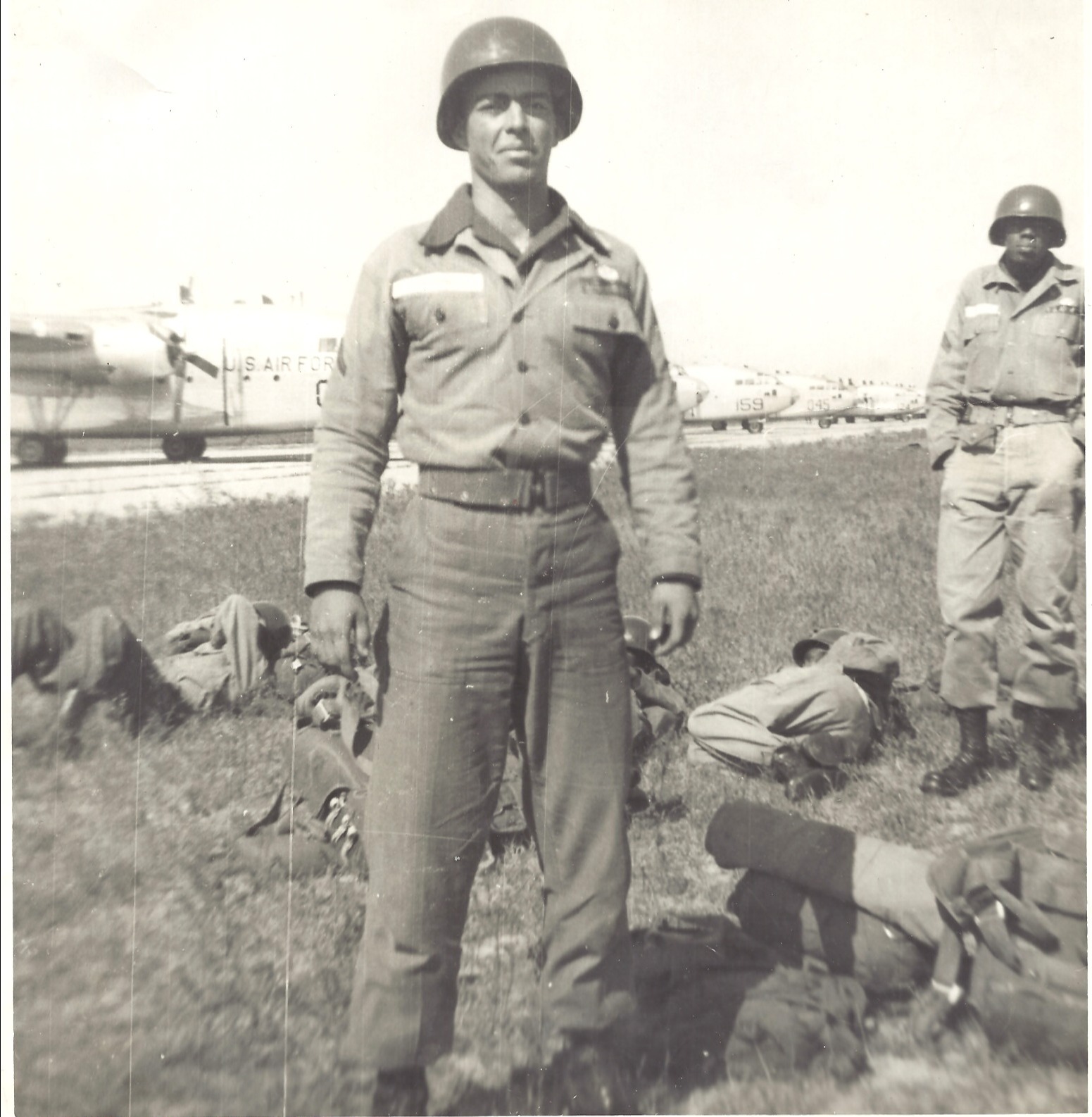
82nd Airborne • U.S. Army • 1954