
Opening branch overview
Building the branch home surface
Loading branch highlights, featured unit context, and gallery moments.
Overview
Members
Units
Building the branch home surface
Loading branch highlights, featured unit context, and gallery moments.
Building the branch units surface
Loading unit filters, rankings, and the branch unit grid.

U.S. Army•101 members
Relive and share the memories of your service-time with your brothers and sisters in arms today. VetFriends.com can help you reconnect.
Did you proudly serve in the 6th Army?
Are you looking for someone who is or was in the 6th Army?
Do you have 6th Army photos you'd like to share?
Then join a community with your brothers and sisters of the 6th Army.
The 6th Army is most famously known as a field army of the German Wehrmacht during World War II. Formed in 1939, it participated in the invasions of Poland and France before being transferred to the Eastern Front. The 6th Army became notorious for its involvement in the Battle of Stalingrad (1942-1943), where it was encircled and ultimately destroyed by the Soviet Red Army in one of the war's most decisive turning points. The name was later reconstituted for a new formation, but it never regained its former strength or reputation.
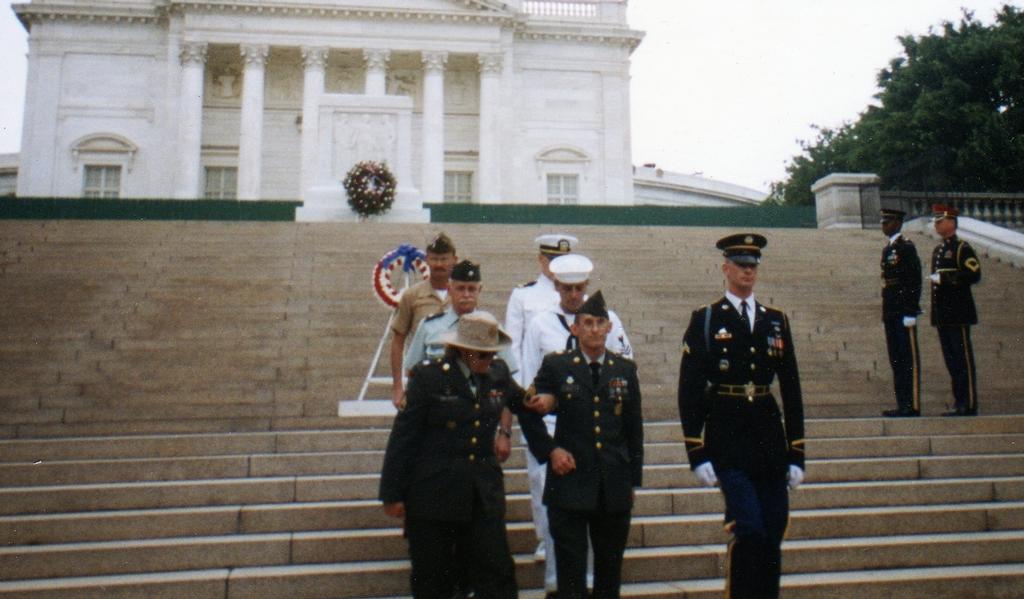
U.S. Army • 1991
U.S. Army • 1991
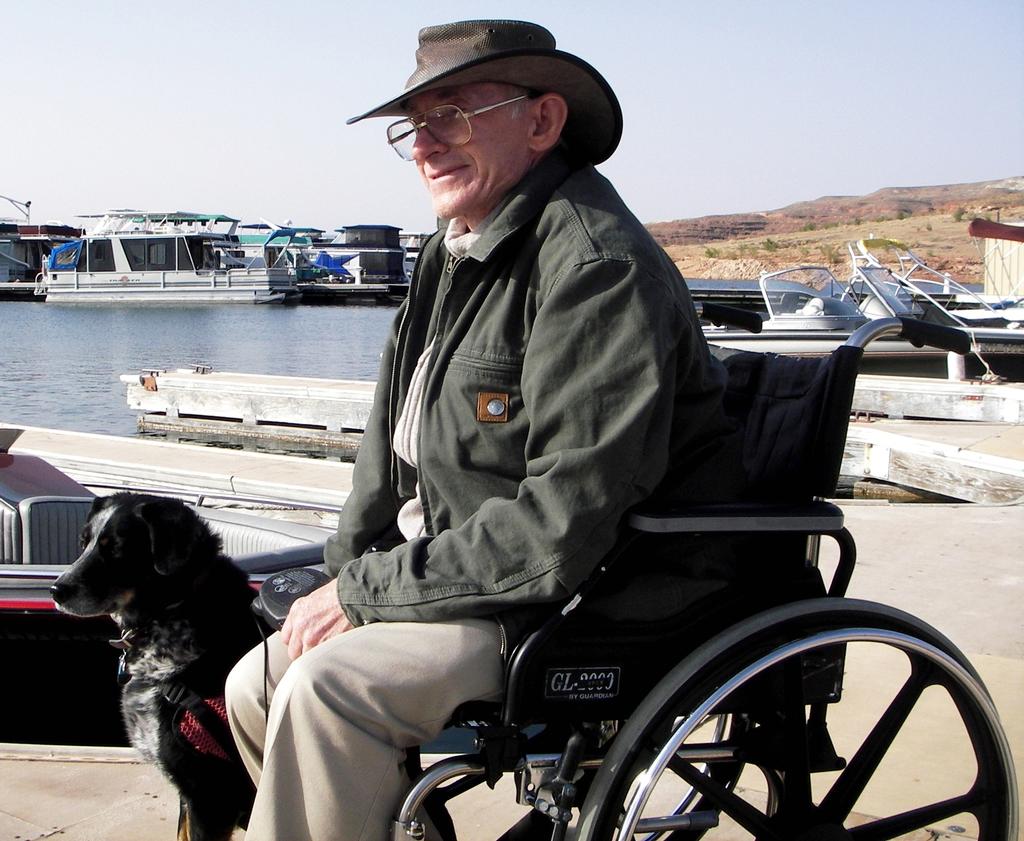
U.S. Army • 1991
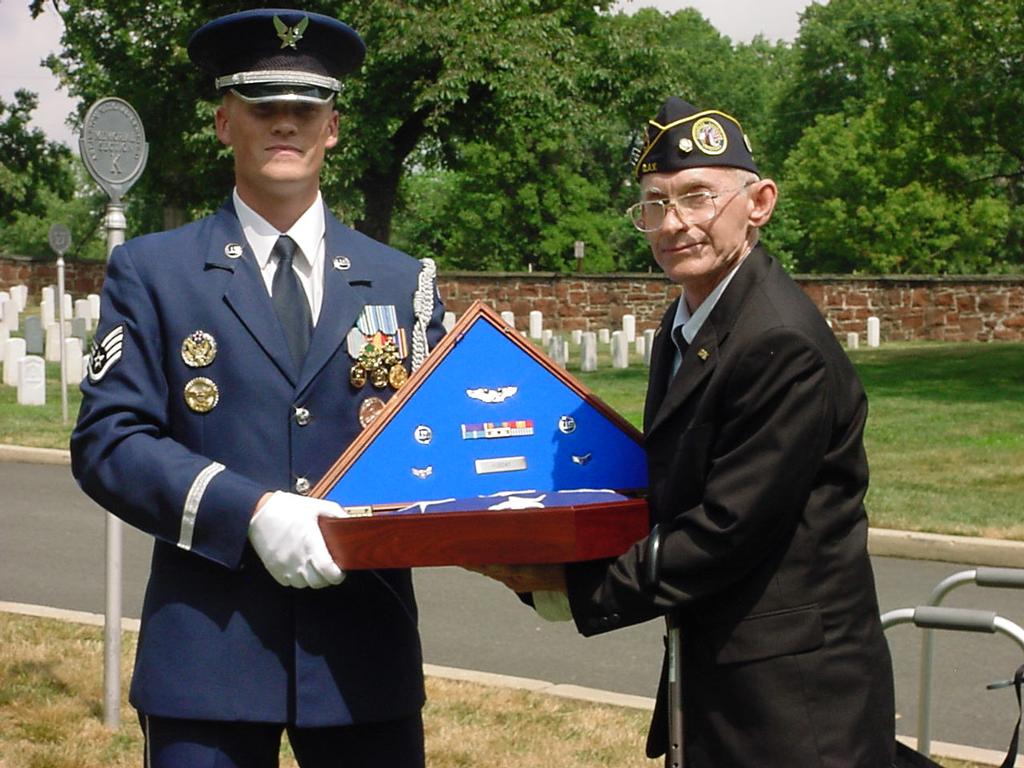
U.S. Army • 1991