
Opening branch overview
Building the branch home surface
Loading branch highlights, featured unit context, and gallery moments.
Overview
Members
Units
Building the branch home surface
Loading branch highlights, featured unit context, and gallery moments.
Building the branch units surface
Loading unit filters, rankings, and the branch unit grid.

1 members•1 unit
Relive and share the memories of your service-time with your brothers and sisters in arms today. VetFriends.com can help you reconnect.
Did you proudly serve in the 6889 Berlin Documents Center?
Are you looking for someone who is or was in the 6889 Berlin Documents Center?
Do you have 6889 Berlin Documents Center photos you'd like to share?
Then join a community with your brothers and sisters of the 6889 Berlin Documents Center.
Branch
U.S. Army
Members
1
The 6889th Berlin Documents Center (BDC) was a specialized U.S. Army unit established in Berlin after World War II. Its mission was to collect, safeguard, and analyze vast archives of Nazi Party and SS personnel files and related documents, which served as crucial evidence in war crimes investigations and denazification efforts. Operated primarily by American military personnel and German civilians, the BDC became an essential resource for historians, intelligence agencies, and legal authorities throughout the Cold War. The unit continued its operations until 1994, when its holdings were transferred to the German Federal Archives.
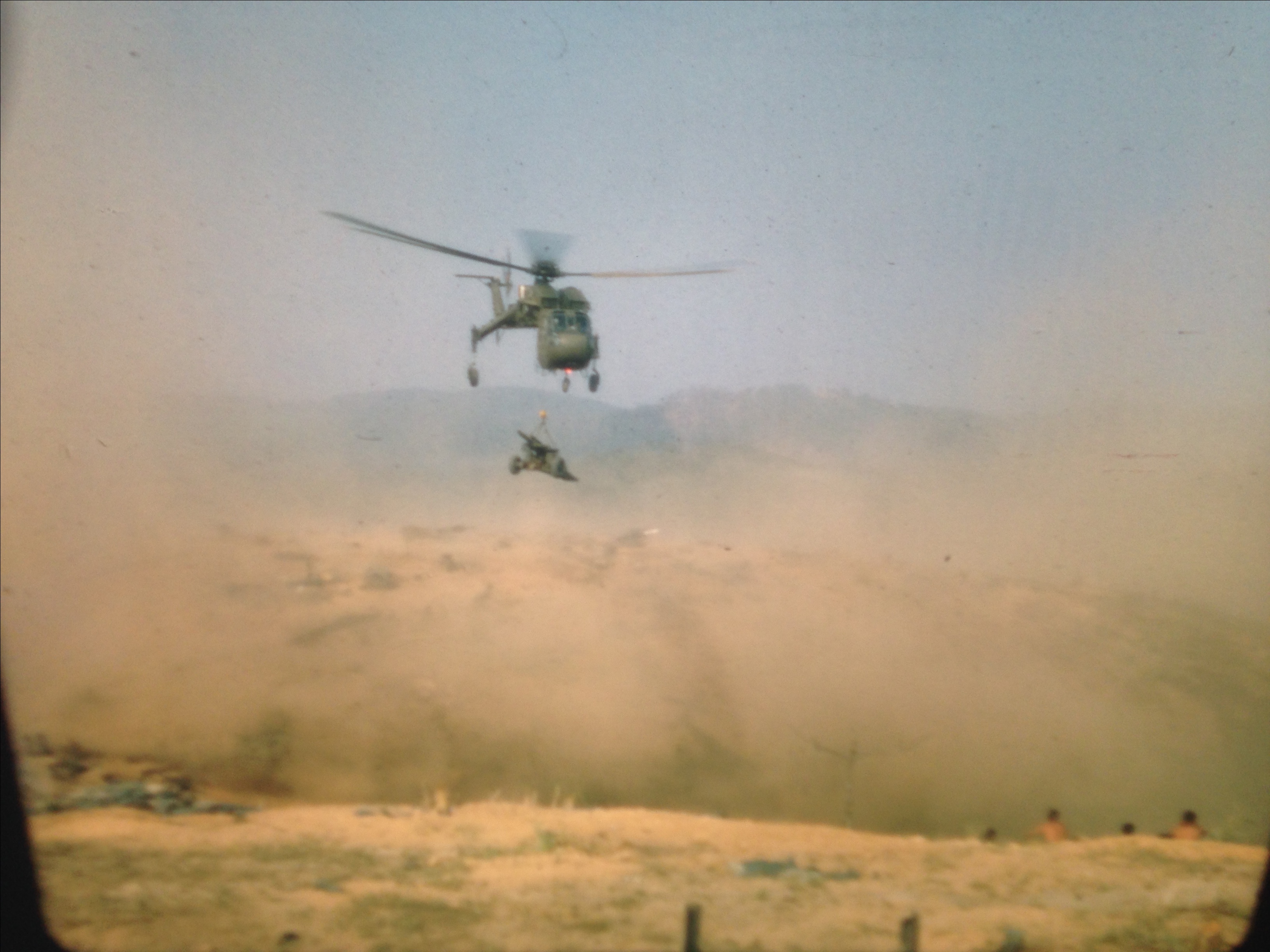
4th Infantry Division • U.S. Army • 1968
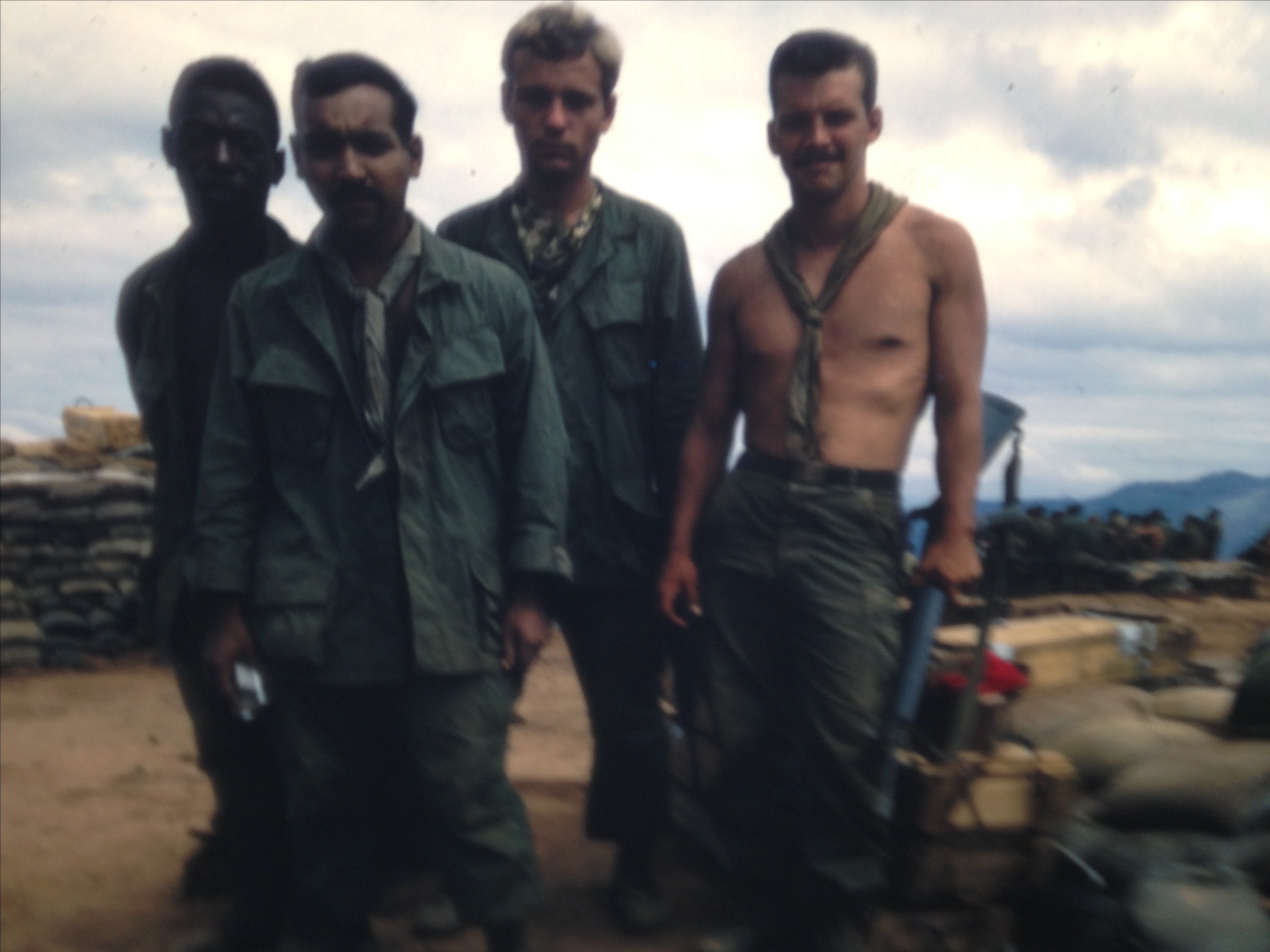
4th Infantry Division • U.S. Army • 1968

U.S. Army

ARTILLERY • U.S. Army