
Opening branch overview
Building the branch home surface
Loading branch highlights, featured unit context, and gallery moments.
Overview
Members
Units
Building the branch home surface
Loading branch highlights, featured unit context, and gallery moments.
Building the branch units surface
Loading unit filters, rankings, and the branch unit grid.

U.S. Army•80 members
Relive and share the memories of your service-time with your brothers and sisters in arms today. VetFriends.com can help you reconnect.
Did you proudly serve in the 59th Ordnance Brigade?
Are you looking for someone who is or was in the 59th Ordnance Brigade?
Do you have 59th Ordnance Brigade photos you'd like to share?
Then join a community with your brothers and sisters of the 59th Ordnance Brigade.
The 59th Ordnance Brigade is a distinguished unit of the United States Army with a lineage dating back to World War II. Originally constituted in 1942 as the 71st Ordnance Battalion, it was redesignated as the 59th Ordnance Group in 1955 and later as the 59th Ordnance Brigade in 1959. Throughout the Cold War, the brigade was primarily based in Germany, where it was responsible for the storage, maintenance, and security of U.S. nuclear and conventional munitions in Europe. The unit played a critical role in NATO’s defense posture until its inactivation in 1992, though it was later reactivated at Fort Lee, Virginia, focusing on advanced ordnance training and support.
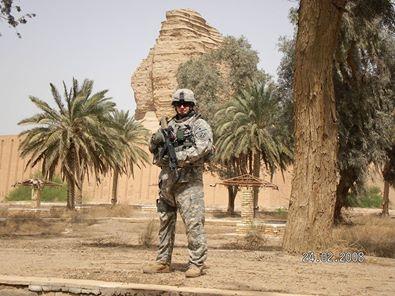
U.S. Army
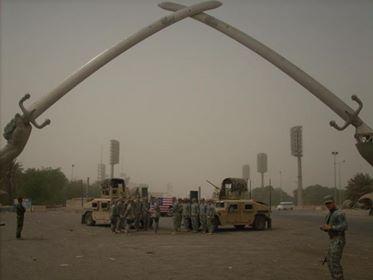
U.S. Army
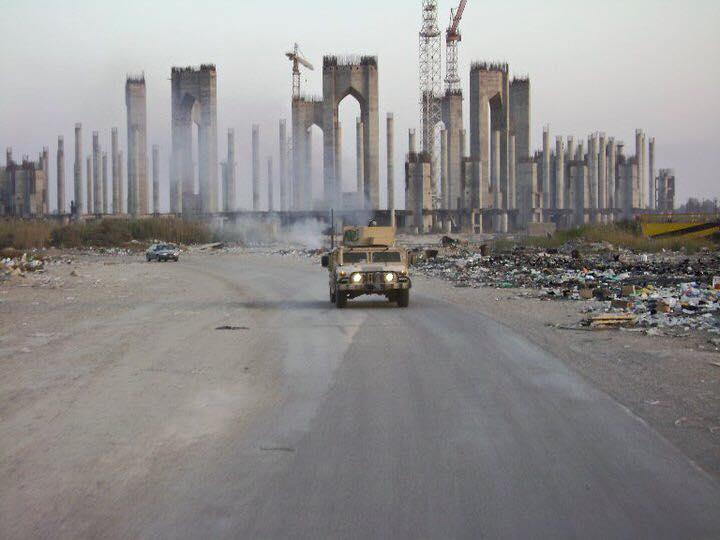
U.S. Army
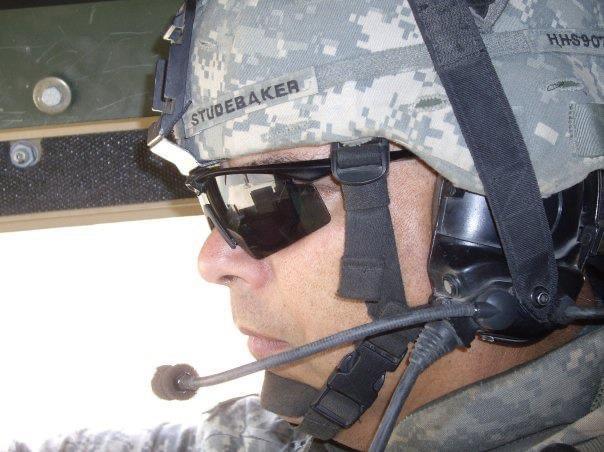
U.S. Army