
Opening branch overview
Building the branch home surface
Loading branch highlights, featured unit context, and gallery moments.
Overview
Members
Units
Building the branch home surface
Loading branch highlights, featured unit context, and gallery moments.
Building the branch units surface
Loading unit filters, rankings, and the branch unit grid.

3 members•1 unit
Relive and share the memories of your service-time with your brothers and sisters in arms today. VetFriends.com can help you reconnect.
Did you proudly serve in the 575 apo?
Are you looking for someone who is or was in the 575 apo?
Do you have 575 apo photos you'd like to share?
Then join a community with your brothers and sisters of the 575 apo.
Branch
U.S. Army
Members
3
**575th APO (Army Post Office) Unit: Military History** The 575th Army Post Office (APO) unit was a critical logistical element of the United States military during World War II. Established to manage and distribute mail for deployed service members, the 575th APO was assigned to support operations in the European Theater, often moving with advancing Allied forces to maintain vital communication links. Its personnel ensured that letters and packages from home reached front-line troops, bolstering morale under challenging conditions. The 575th APO's dedicated service contributed significantly to sustaining the welfare and efficiency of U.S. military operations overseas.
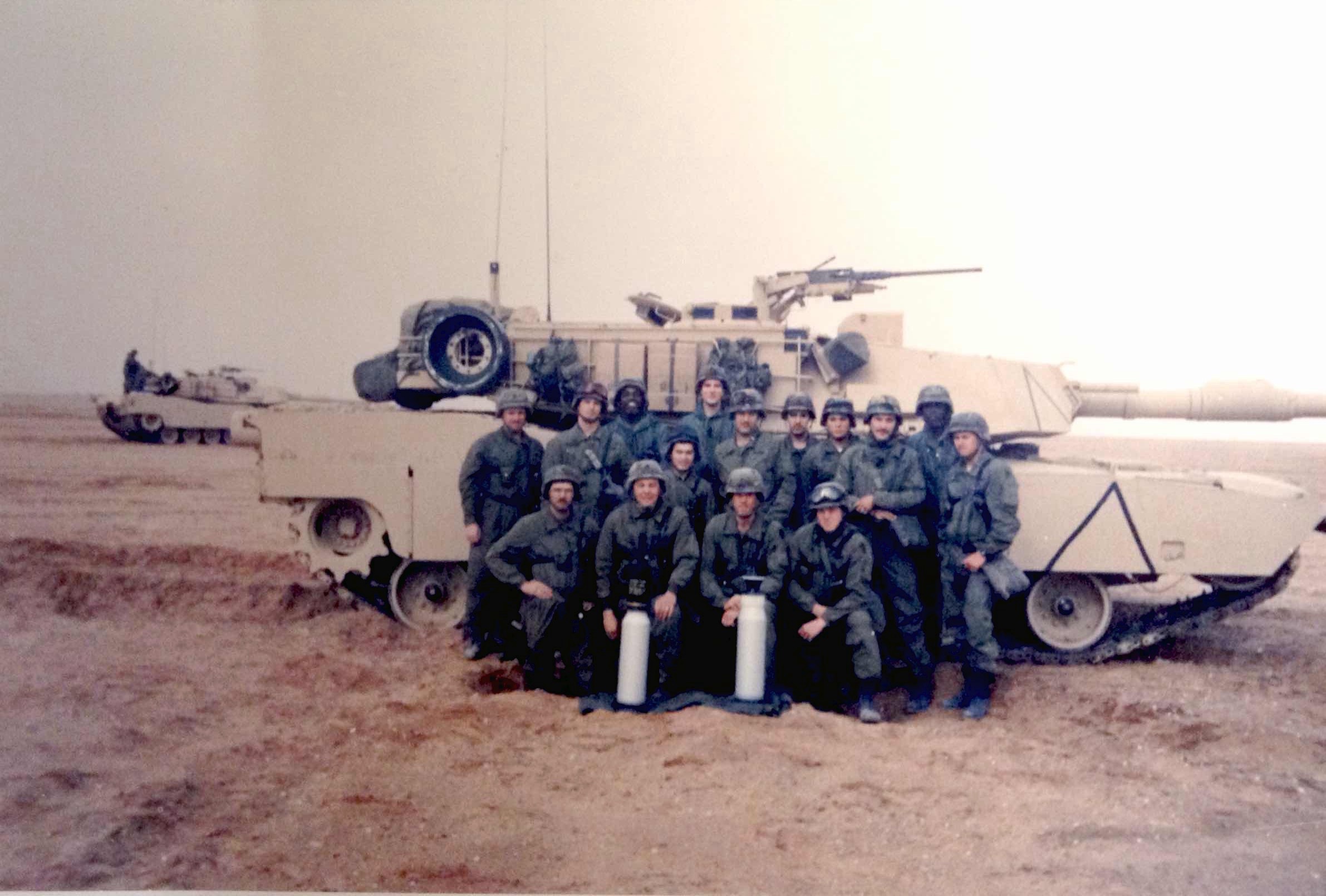
U.S. Army

MEDICAL • U.S. Army • 1991

U.S. Army
U.S. Army