
Opening branch overview
Building the branch home surface
Loading branch highlights, featured unit context, and gallery moments.
Overview
Members
Units
Building the branch home surface
Loading branch highlights, featured unit context, and gallery moments.
Building the branch units surface
Loading unit filters, rankings, and the branch unit grid.

1 members•1 unit
Relive and share the memories of your service-time with your brothers and sisters in arms today. VetFriends.com can help you reconnect.
Did you proudly serve in the 53rd Engr Bn SEC ND US ARMY?
Are you looking for someone who is or was in the 53rd Engr Bn SEC ND US ARMY?
Do you have 53rd Engr Bn SEC ND US ARMY photos you'd like to share?
Then join a community with your brothers and sisters of the 53rd Engr Bn SEC ND US ARMY.
Branch
U.S. Army
Members
1
The 53rd Engineer Battalion (Security), North Dakota, U.S. Army, has a distinguished history of service dating back to its initial activation during World War II. Originally organized to provide critical engineering and security support, the battalion was tasked with constructing and maintaining vital infrastructure, such as bridges, roads, and fortifications, often under hazardous conditions. Throughout its existence, the 53rd Engr Bn SEC has participated in both domestic and overseas operations, contributing to disaster response, homeland security, and combat engineering missions. The unit’s dedication to excellence and adaptability has made it a vital asset within the United States Army’s engineering and security operations.
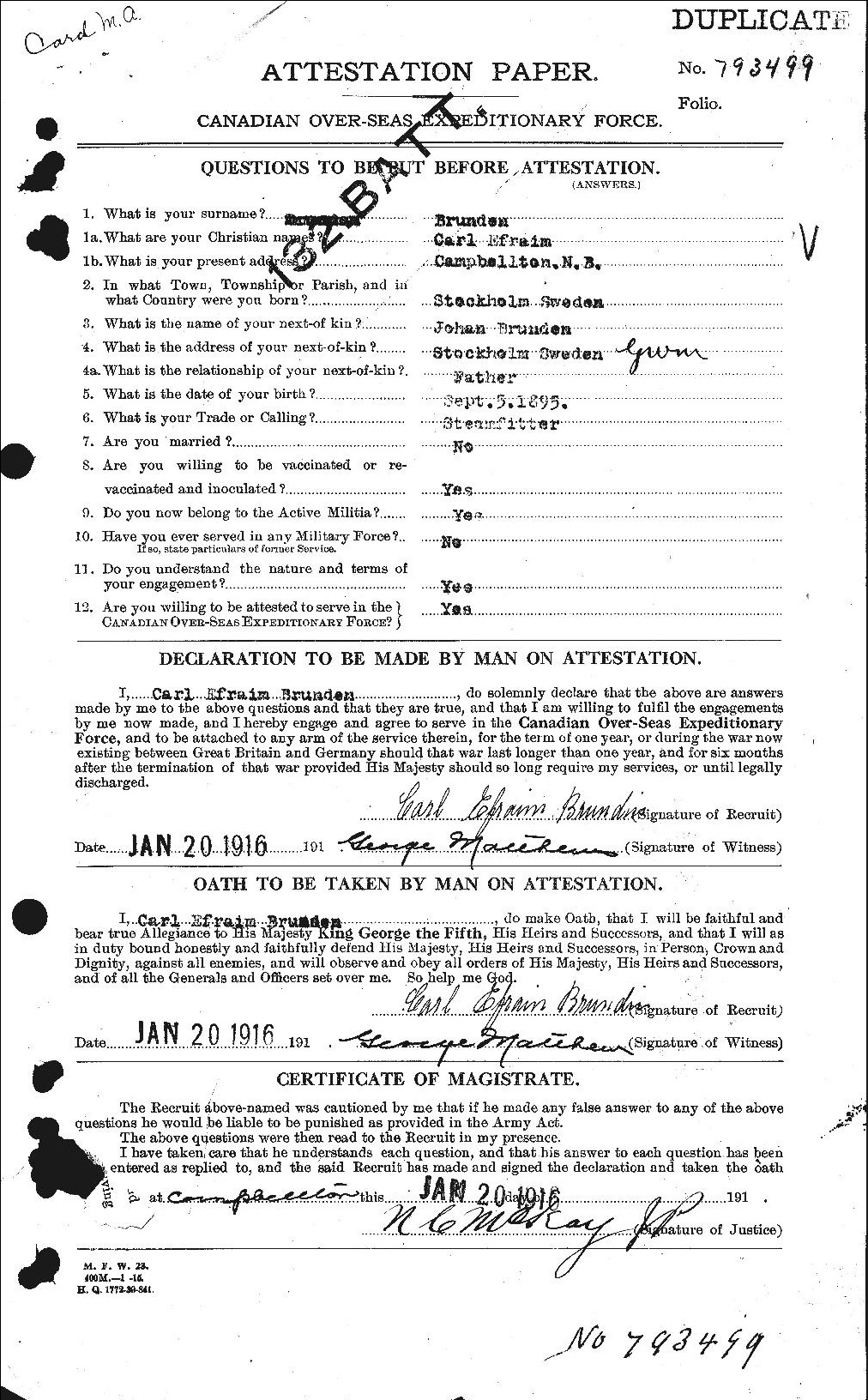
U.S. Army • 1918
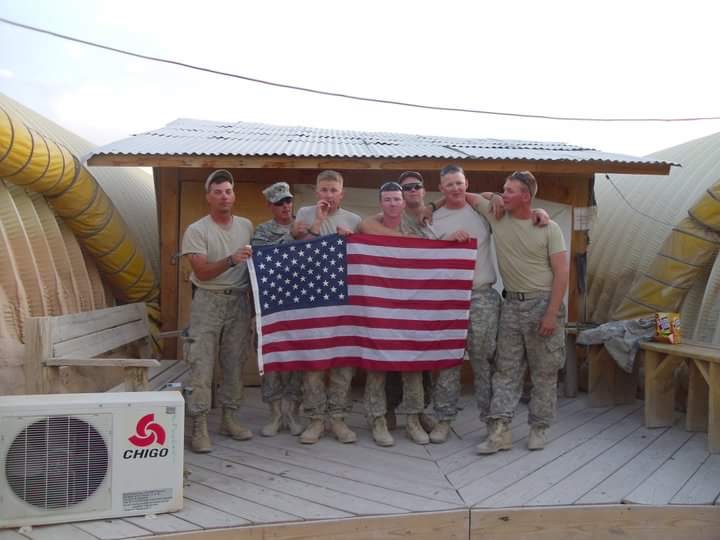
Nebraska National Guard • U.S. Army • 2011
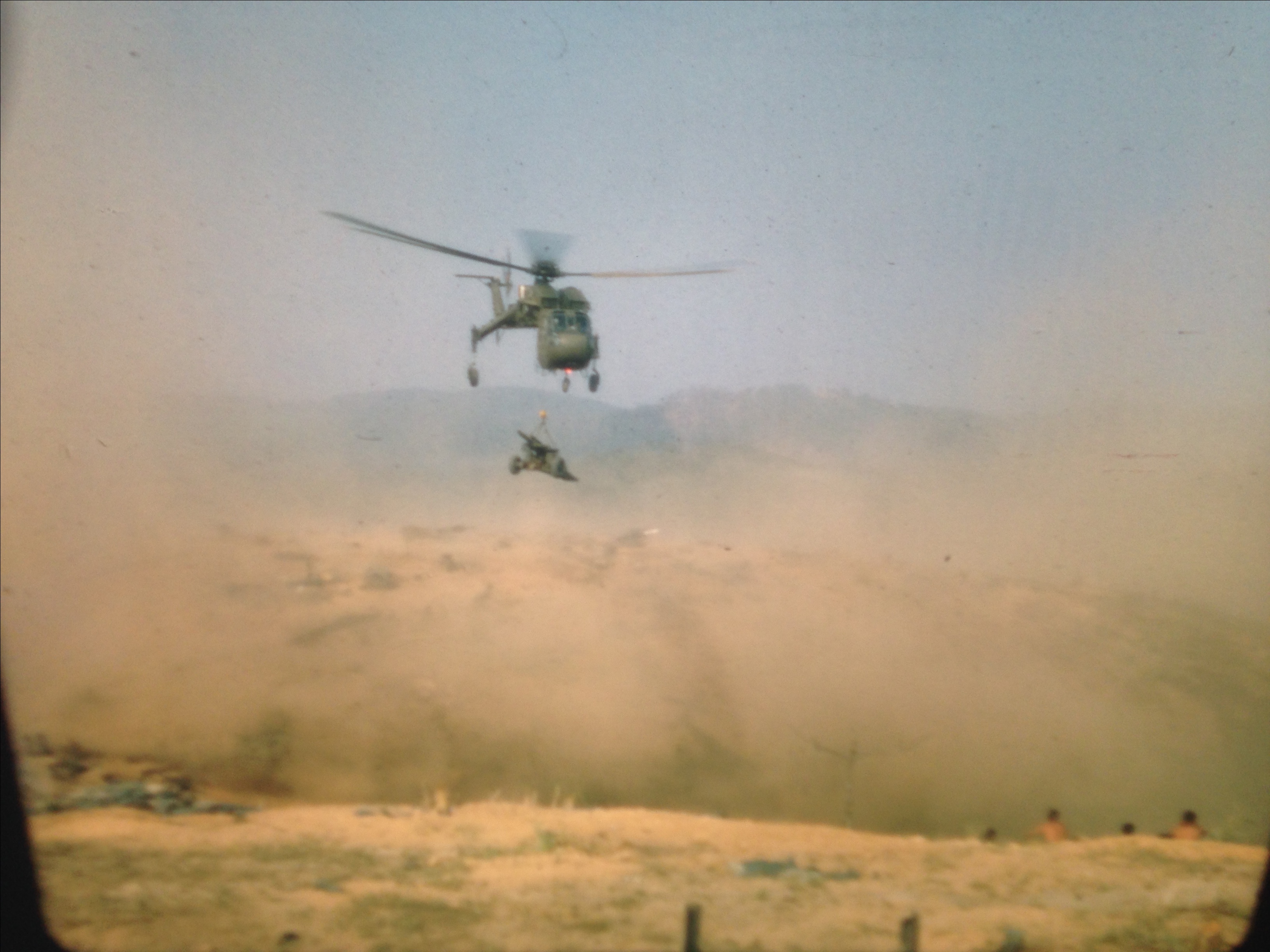
4th Infantry Division • U.S. Army • 1968

4th Infantry Division • U.S. Army • 1968