
Opening branch overview
Building the branch home surface
Loading branch highlights, featured unit context, and gallery moments.
Overview
Members
Units
Building the branch home surface
Loading branch highlights, featured unit context, and gallery moments.
Building the branch units surface
Loading unit filters, rankings, and the branch unit grid.

37 members•1 unit
Relive and share the memories of your service-time with your brothers and sisters in arms today. VetFriends.com can help you reconnect.
Did you proudly serve in the 501st Replacement Detachment?
Are you looking for someone who is or was in the 501st Replacement Detachment?
Do you have 501st Replacement Detachment photos you'd like to share?
Then join a community with your brothers and sisters of the 501st Replacement Detachment.
Branch
U.S. Army
Members
37
The 501st Replacement Detachment is a U.S. Army unit historically tasked with the reception, processing, and onward movement of individual soldiers and small groups to operational units, particularly during times of large-scale mobilization. Units like the 501st were essential during World War II, the Korean War, and the Vietnam War, ensuring that combat and support units remained at full strength despite casualties and personnel rotations. Over the decades, the detachment adapted to evolving Army personnel systems and shifting operational requirements. Today, such units continue to play a vital role in force readiness by streamlining the integration of replacements into active formations during deployments and contingency operations.
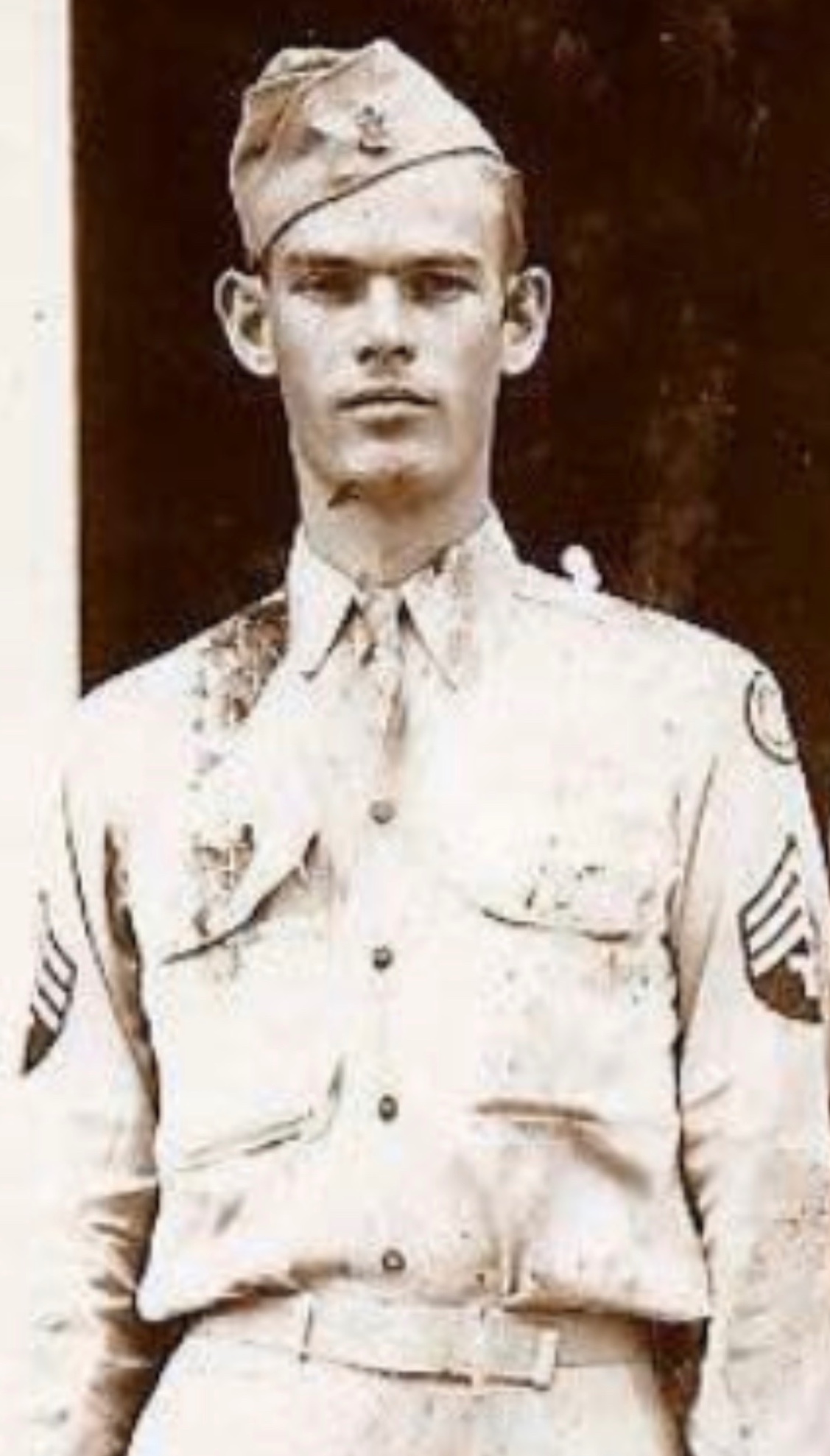
60 Infantry, 9th Division • U.S. Army
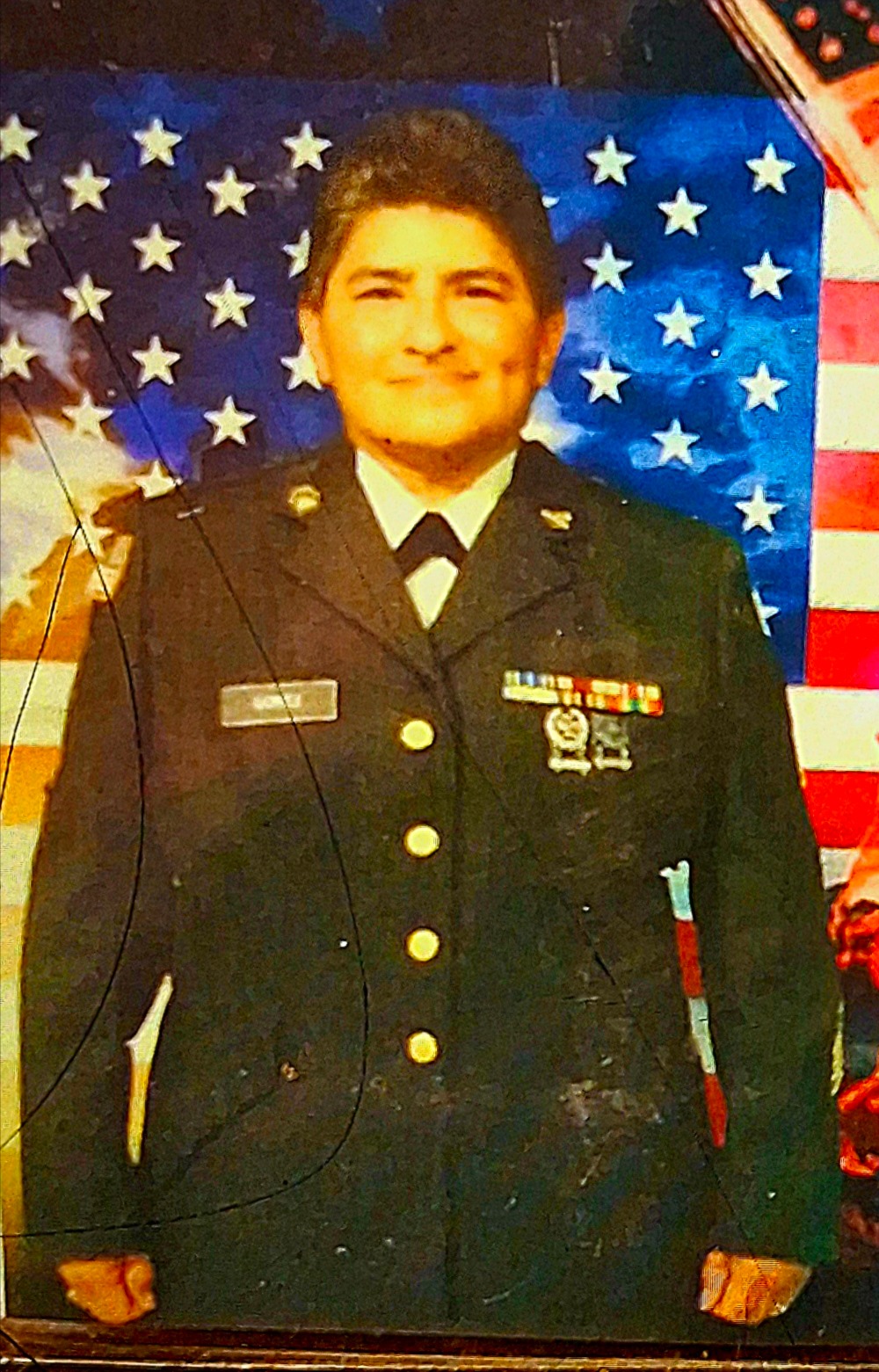
1st BN /65th ADA Co. • U.S. Army • 1980
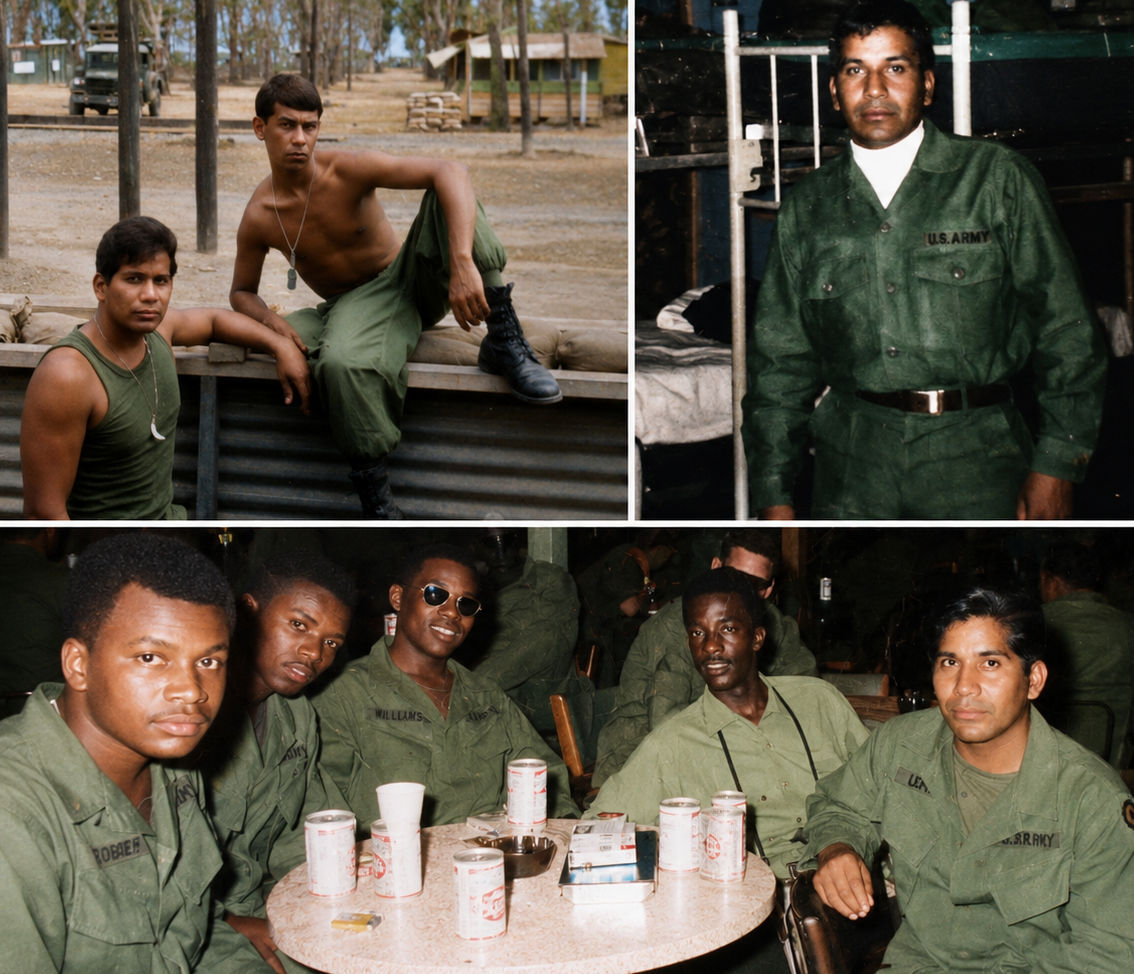
U.S. Army

CBI • U.S. Army