
Opening branch overview
Building the branch home surface
Loading branch highlights, featured unit context, and gallery moments.
Overview
Members
Units
Building the branch home surface
Loading branch highlights, featured unit context, and gallery moments.
Building the branch units surface
Loading unit filters, rankings, and the branch unit grid.

37 members•1 unit
Relive and share the memories of your service-time with your brothers and sisters in arms today. VetFriends.com can help you reconnect.
Did you proudly serve in the 4th army hq?
Are you looking for someone who is or was in the 4th army hq?
Do you have 4th army hq photos you'd like to share?
Then join a community with your brothers and sisters of the 4th army hq.
Branch
U.S. Army
Members
37
The 4th Army HQ has a storied history, originally established during World War I as part of a broader expansion of national military forces. Throughout the 20th century, the 4th Army HQ played a key role in coordinating field operations, logistics, and strategic planning in both world wars and various regional conflicts. In World War II, the unit was instrumental in overseeing several major campaigns, contributing to the overall effectiveness of allied operations. Today, the 4th Army HQ continues to serve as a vital command center, adapting to modern warfare and supporting both domestic and international missions.
C/84th • U.S. Army
U.S. Army
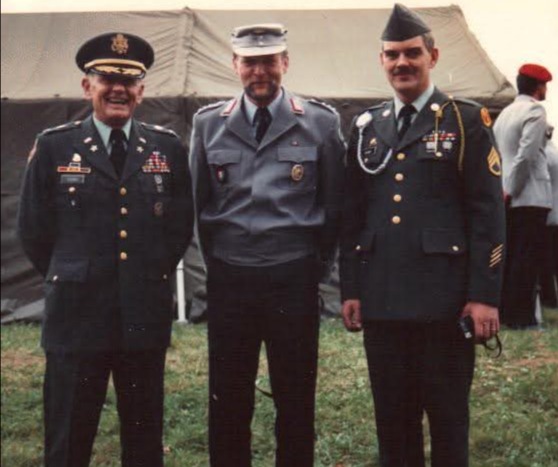
3/37th FA • U.S. Army
103rd MI Bn 3rd Infantry Division • U.S. Army • 1986