
Opening branch overview
Building the branch home surface
Loading branch highlights, featured unit context, and gallery moments.
Overview
Members
Units
Building the branch home surface
Loading branch highlights, featured unit context, and gallery moments.
Building the branch units surface
Loading unit filters, rankings, and the branch unit grid.

U.S. Army•22 members
Relive and share the memories of your service-time with your brothers and sisters in arms today. VetFriends.com can help you reconnect.
Did you proudly serve in the 4:7th Cavalry?
Are you looking for someone who is or was in the 4:7th Cavalry?
Do you have 4:7th Cavalry photos you'd like to share?
Then join a community with your brothers and sisters of the 4:7th Cavalry.
The 4th Squadron, 7th Cavalry Regiment (4/7th Cavalry) boasts a distinguished military history rooted in the traditions of the U.S. Army Cavalry. Originally constituted in 1866, the 7th Cavalry Regiment first gained fame during the Indian Wars and later served with distinction in numerous conflicts. The 4th Squadron was activated and reorganized multiple times, most notably serving as a reconnaissance unit in the Vietnam War, where it conducted air and ground cavalry operations. In subsequent years, 4/7th Cavalry supported missions in Korea and participated in Operation Iraqi Freedom, continuing its legacy of adaptability and excellence in reconnaissance and security missions.
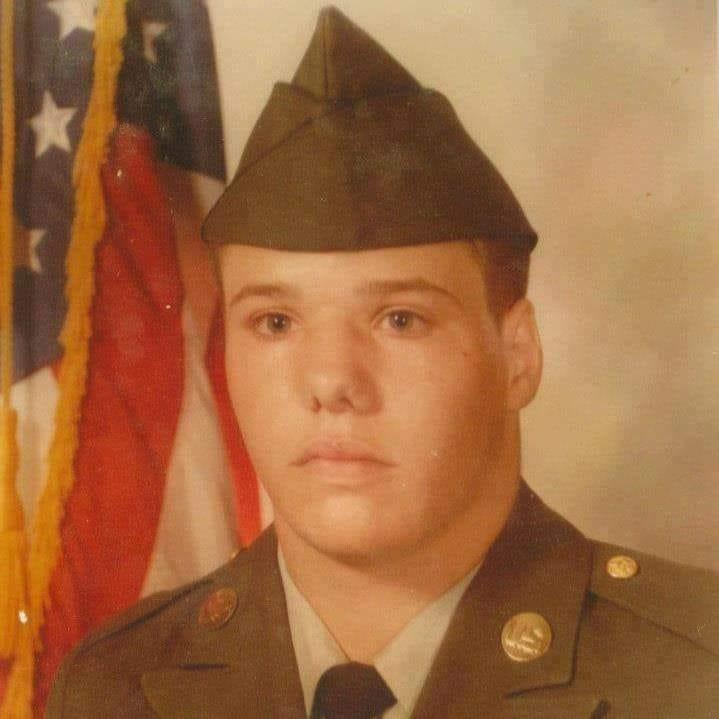
U.S. Army