
Opening branch overview
Building the branch home surface
Loading branch highlights, featured unit context, and gallery moments.
Overview
Members
Units
Building the branch home surface
Loading branch highlights, featured unit context, and gallery moments.
Building the branch units surface
Loading unit filters, rankings, and the branch unit grid.

37 members•1 unit
Relive and share the memories of your service-time with your brothers and sisters in arms today. VetFriends.com can help you reconnect.
Did you proudly serve in the 45th:306th transport Korea?
Are you looking for someone who is or was in the 45th:306th transport Korea?
Do you have 45th:306th transport Korea photos you'd like to share?
Then join a community with your brothers and sisters of the 45th:306th transport Korea.
Branch
U.S. Army
Members
37
The 45th/306th Transport Unit was a logistical support formation active during the Korean War (1950–1953). Tasked with ensuring the movement of personnel, equipment, and supplies, the unit played a vital role in supporting United Nations and U.S. forces on the peninsula. Operating under challenging conditions, the 45th/306th managed convoys, maintained vehicles, and navigated dangerous supply routes often threatened by enemy action and harsh terrain. Their efforts were critical in sustaining frontline operations, contributing significantly to the overall war effort.
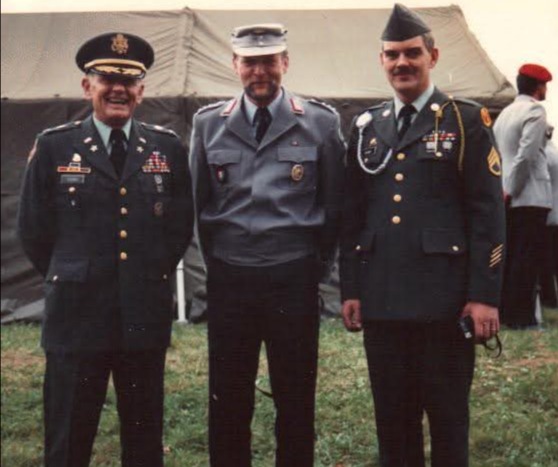
3/37th FA • U.S. Army
103rd MI Bn 3rd Infantry Division • U.S. Army • 1986
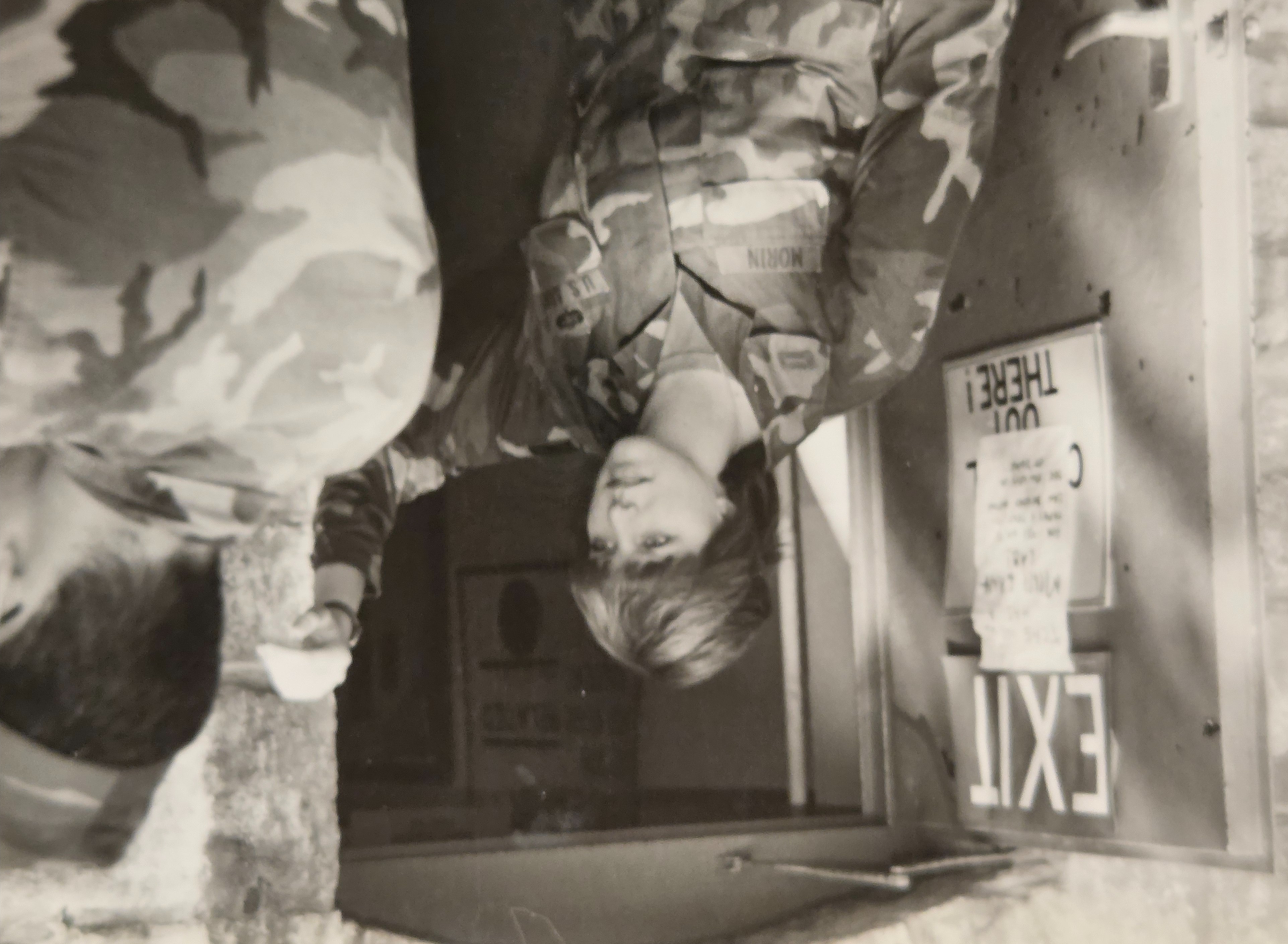
103rd MI Bn 3rd Infantry Division • U.S. Army • 1987
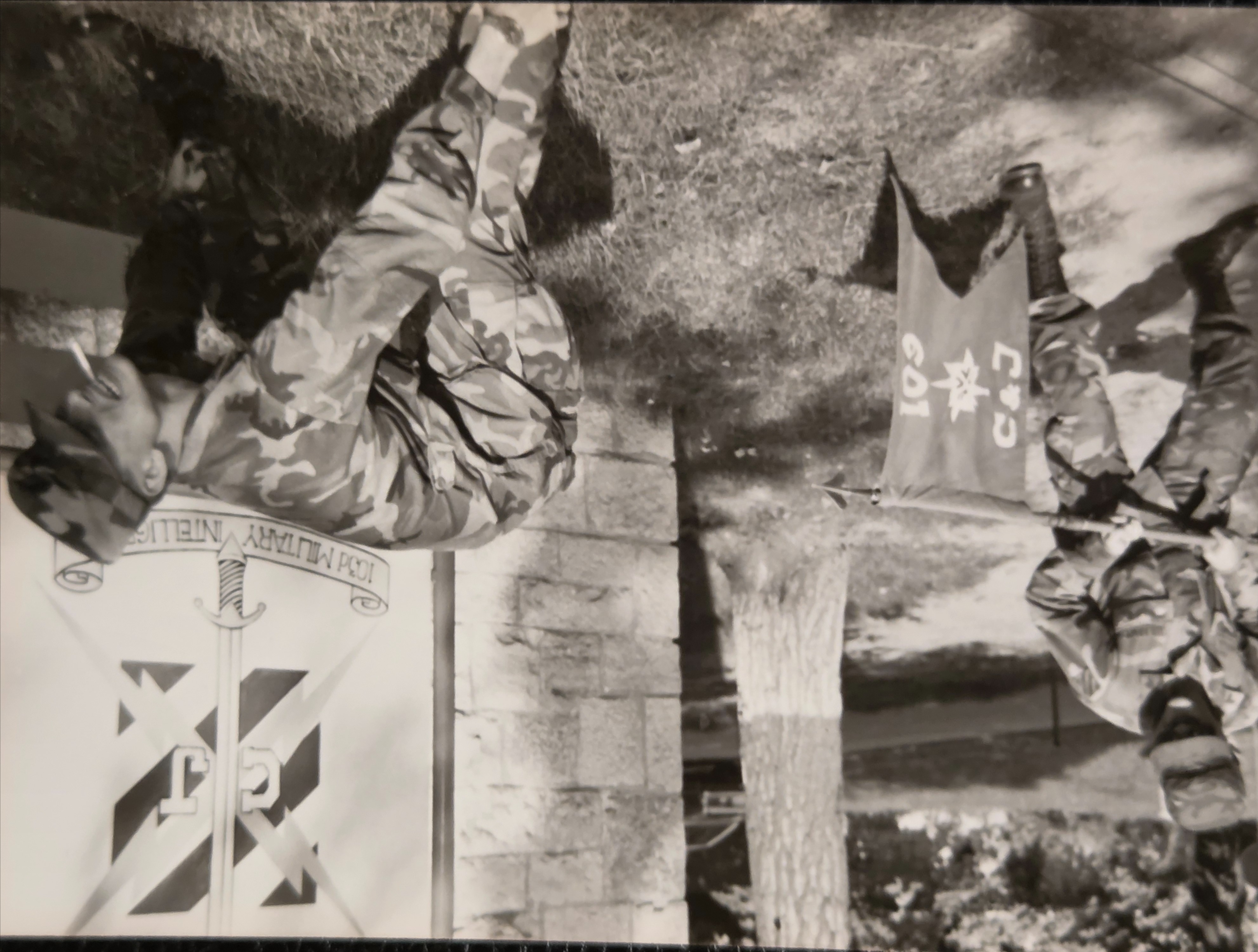
103rd MI Bn 3rd Infantry Division • U.S. Army • 1987