
Opening branch overview
Building the branch home surface
Loading branch highlights, featured unit context, and gallery moments.
Overview
Members
Units
Building the branch home surface
Loading branch highlights, featured unit context, and gallery moments.
Building the branch units surface
Loading unit filters, rankings, and the branch unit grid.

1 members•1 unit
Relive and share the memories of your service-time with your brothers and sisters in arms today. VetFriends.com can help you reconnect.
Did you proudly serve in the 459th Veterinarian?
Are you looking for someone who is or was in the 459th Veterinarian?
Do you have 459th Veterinarian photos you'd like to share?
Then join a community with your brothers and sisters of the 459th Veterinarian.
Branch
U.S. Army
Members
1
The 459th Veterinarian Company was a specialized unit within the United States Army, formed during World War II to provide vital veterinary services. The company was responsible for the care and management of military animals—primarily horses, mules, and war dogs—ensuring their health and readiness for operational duties. In addition, the 459th played an important role in inspecting and safeguarding food supplies for troops by overseeing meat and dairy hygiene. Their contributions supported both logistical operations and the overall well-being of soldiers in various theaters of the war.
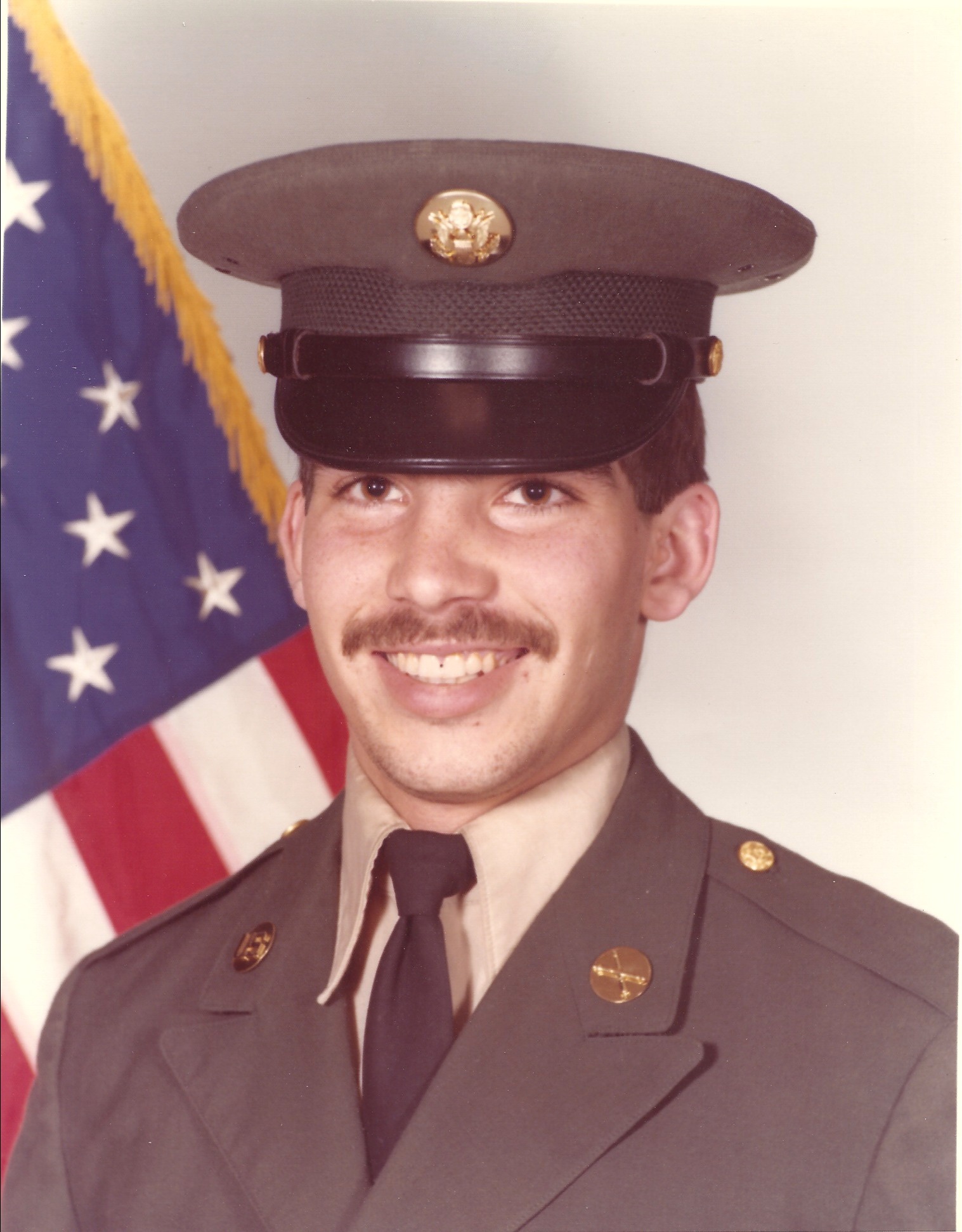
ARTILLERY • U.S. Army
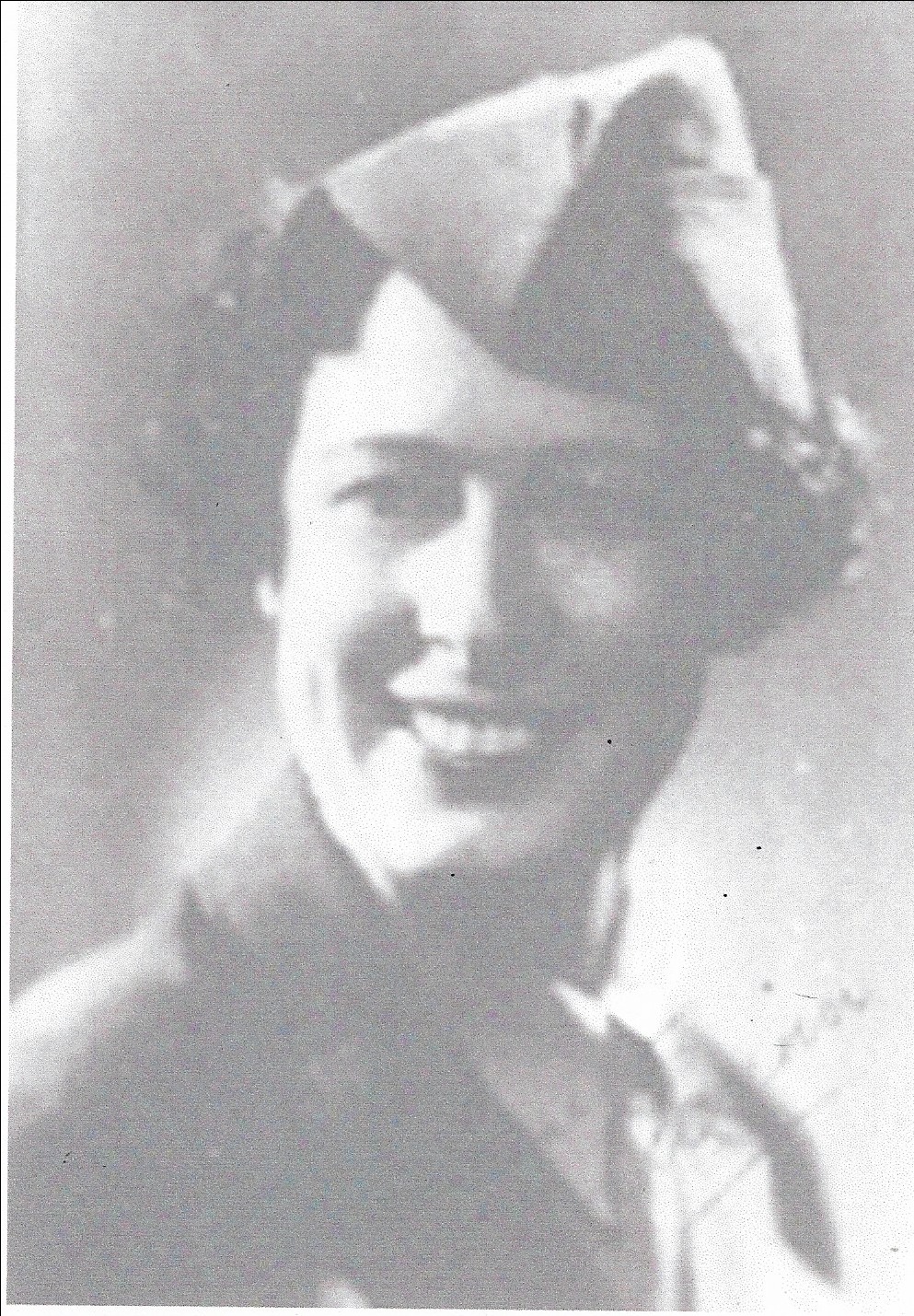
U.S. Army
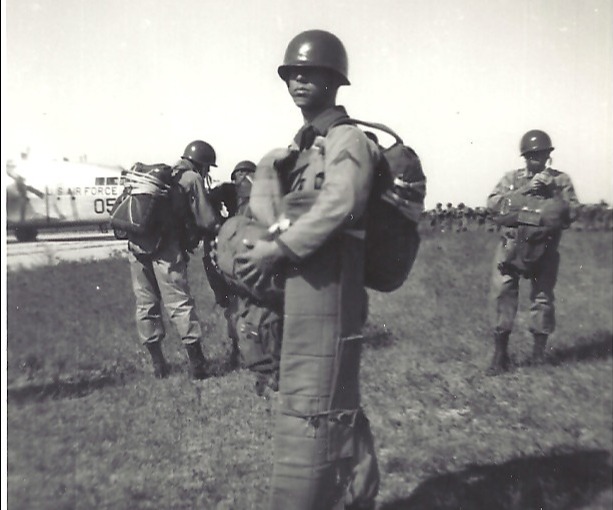
82nd Airborne • U.S. Army • 1954
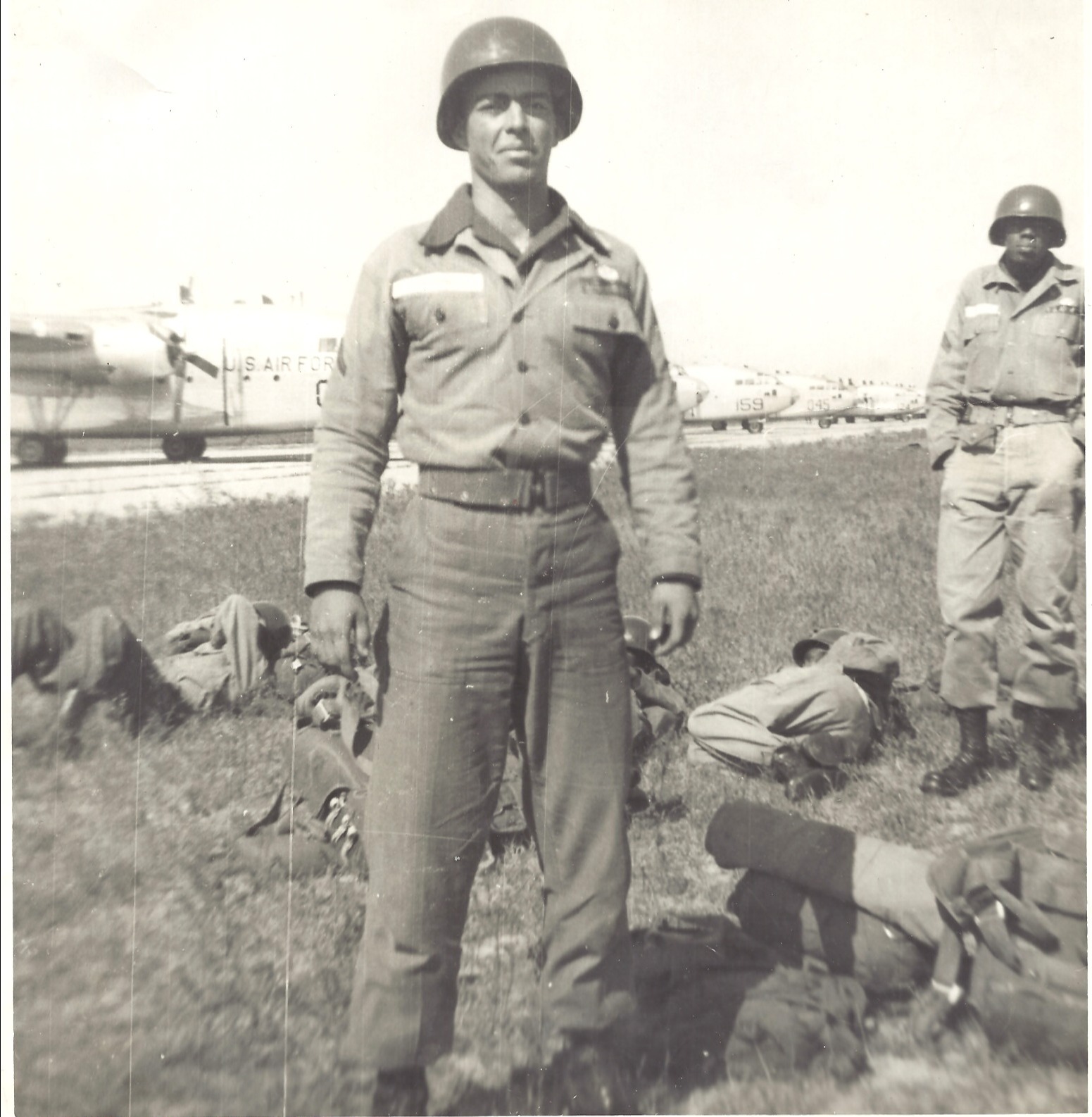
82nd Airborne • U.S. Army • 1954